
Last updated November 23, 2026
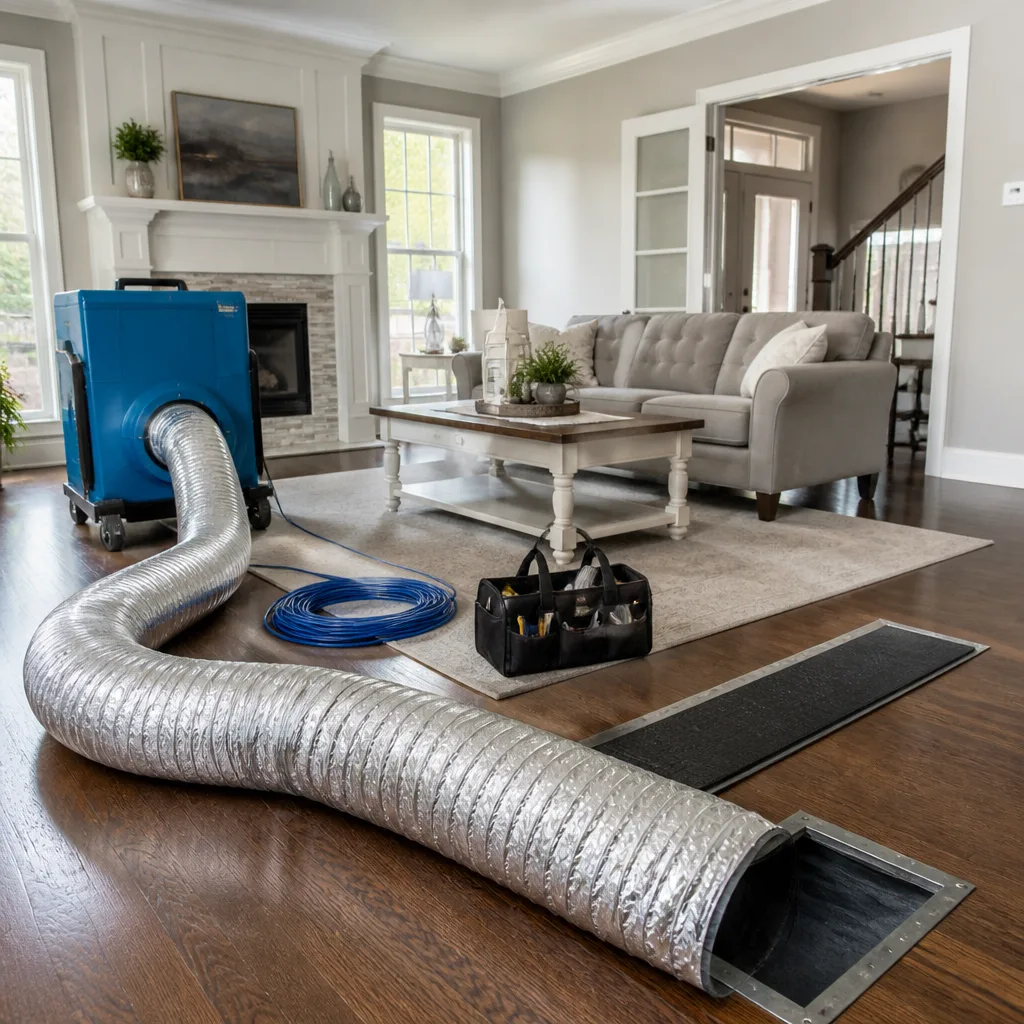 Whole-home duct cleaning
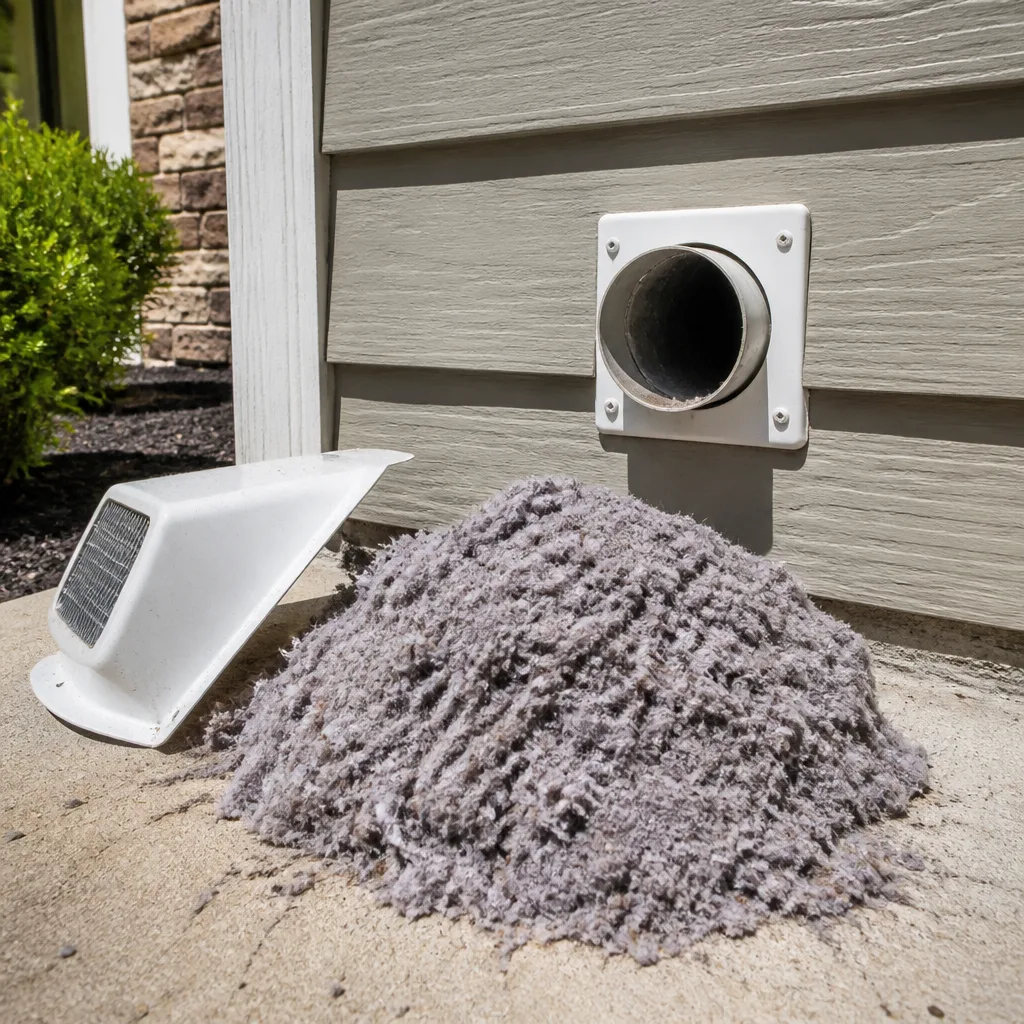 Dryer vent cleaning
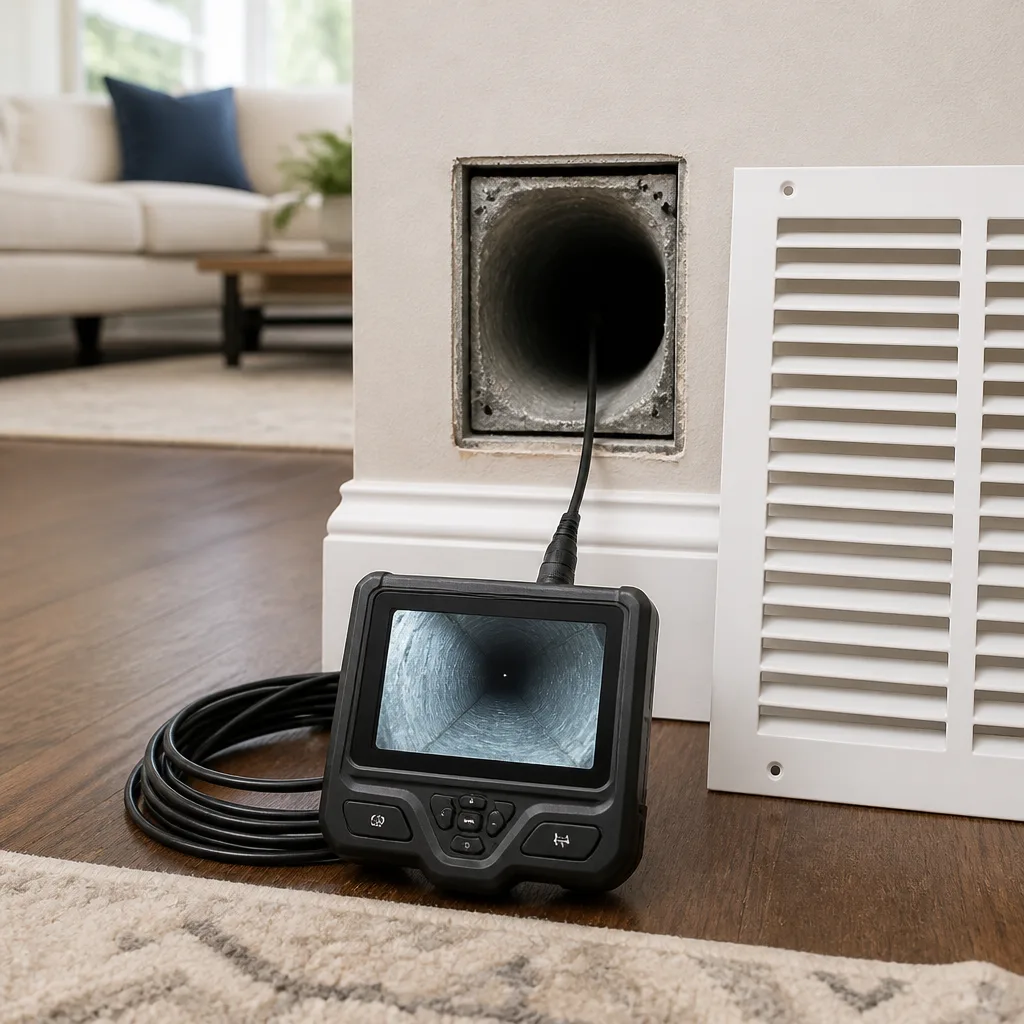 Camera inspection
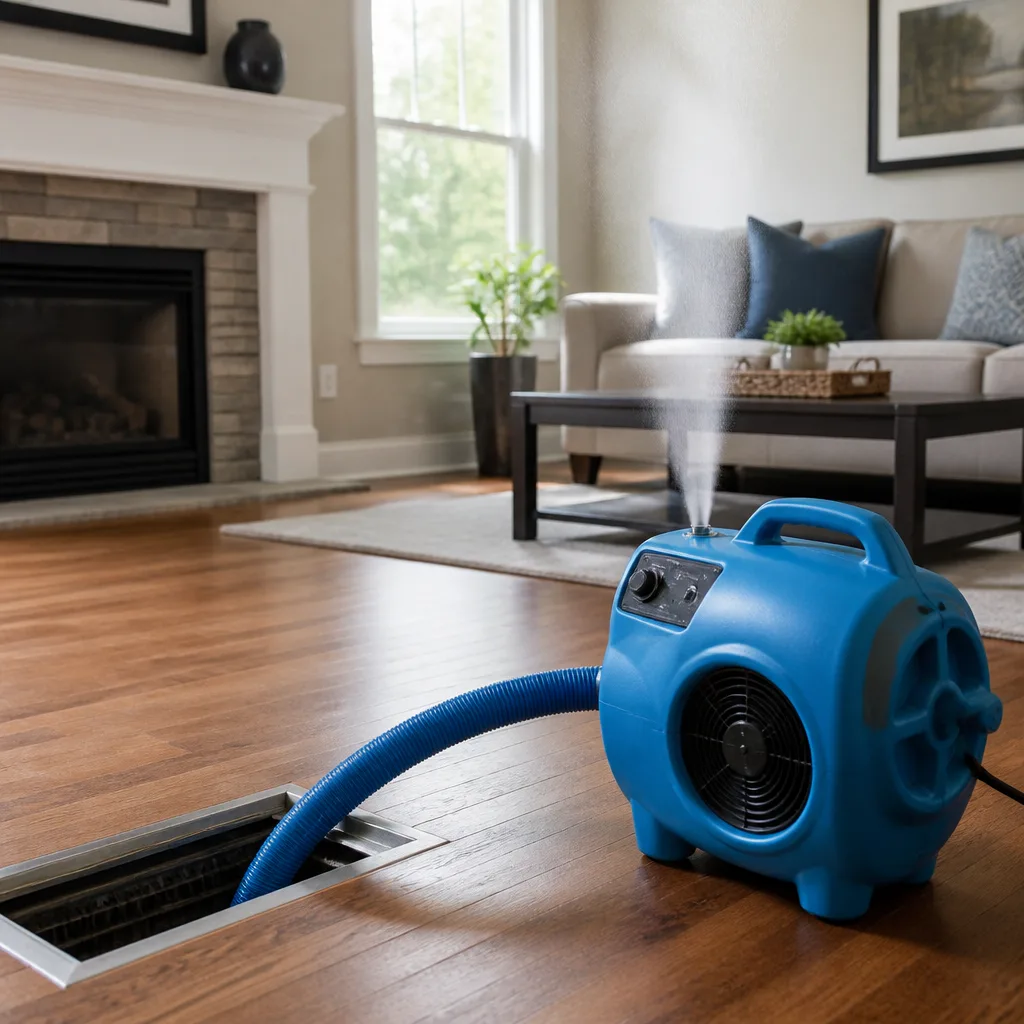 Sanitizing & deodorizing
Whole-system duct and dryer vent check with before-and-after photos - you see exactly what came out of your vents
That "$99 whole-house special" is a bait ad - the real number appears once they are in your hallway, or the "clean" is a shop-vac at the register. We photograph the inside of your ducts before and after instead.
Air Duct Cleaning Warning Signs: A Pleasant Grove Homeowner’s Reference Guide
Most homeowners judge their ductwork by what they can see at the register, and that’s the problem. The grille can look spotless while the system behind it is leaking, restricted, or pulling air from places it shouldn’t. In our experience, the strongest early signals rarely appear at the vent at all. They show up on the energy bill, in the way one bedroom never quite matches the rest of the house, and in how often the system kicks on and off. This guide teaches you to read those indirect signals the way a technician does, so a small issue gets caught before it turns into a repair. Pleasant Grove homes have their own patterns, and we’ll point them out as we go.
Quick Answer
The warning signs that your air ducts need attention include a month-over-month energy bill jump that outpaces normal rate changes, rooms that run several degrees warmer or cooler than the rest of the house, an HVAC system that short-cycles or runs much longer than it used to, and persistent odors that change with the season or when the system starts. Visible dust at the register is a sign, but it’s usually the last one to appear, not the first. If two or more of these indirect signals line up at once, it’s worth having the full system inspected by a professional.
Styles & brands we work with
- Whole-home duct cleaning
- Dryer vent cleaning
- Camera inspection
- Sanitizing & deodorizing
Table of Contents
- What Your Energy Bill Is Telling You
- The Room Temperature Test
- HVAC Runtime Patterns
- Odor Signatures and What They Mean
- Reading the Registers Like a Technician
- Seasonal Patterns in Pleasant Grove
- Common Mistakes to Avoid
- When to Call a Professional
What Your Energy Bill Is Telling You
A 15% rise in your summer cooling bill with no change in thermostat settings is a stronger indicator of duct system problems than dusty registers. Almost no homeowner is told to watch for that. The energy bill is the most reliable diagnostic tool a homeowner has, because it’s a running measurement of how hard the system has to work to reach the same result. What matters is separating a real signal from normal rate fluctuation.
Oncor is the utility that delivers power across this part of the Dallas-Fort Worth area, and most Pleasant Grove households see the delivery and supply portions of the bill move separately from month to month. Here’s how to read it:
1. Compare the same month a year apart, not consecutive months.
Seasonal swings are huge in North Texas, so July against June tells you very little. July this year against July last year, at the same thermostat setting, is a meaningful comparison. If you’ve started running the thermostat lower or added a window unit, that’s a variable you have to account for before blaming the ducts.
2. Pull out the delivery charges separately.
Rate changes on the supply side can make a bill look alarming when the actual usage didn’t move. Delivery charges, the base fees, and the per-kWh portion are worth reading individually. A bill that jumped because the rate went up is a different problem from a bill that jumped because kWh usage rose 15% or more.
3. Look for the usage line, not the dollar total.
The number of kilowatt-hours consumed in a billing cycle is the honest metric. If that figure climbs through the summer while your daily habits haven’t changed, the system is working harder than it should. Duct leaks let conditioned air escape into the attic and walls before it reaches your rooms, so the air handler runs longer to compensate.
4. Watch for a stair-step pattern across two or three billing cycles.
A single bad month could be a heat wave. Three months of steady climb, same habits, same settings, is a pattern. Patterns are what a technician can actually diagnose.
5. Cross-check against the attic.
In Pleasant Grove, many duct runs pass through unconditioned attic space. That’s where leaks hurt the most, because the air you paid to cool is escaping into air that’s already hotter than the rooms below. If your bill and your attic-sourced ductwork both point in the same direction, it’s worth an inspection.
If the pattern holds, don’t buy a new thermostat yet. A proper air duct cleaning and inspection can measure whether the system is actually restricted or leaking, and give you something to compare against the bill. We show you what we find before we start.
The Room Temperature Test
You can run a useful diagnostic on your own airflow with a thermometer and a few minutes on a warm afternoon. The goal is to measure whether each room receives the cooling it’s being billed for. Rooms that miss their target by two to three degrees are pulling from the same system as the rooms that hit it, so something between the air handler and that room is off.
Here’s the process:
- Set the thermostat to the same temperature you’d normally run it at, and let the system run for at least 30 minutes with every interior door open.
- Take a reading in the center of each room, at the same height, ideally with a simple digital thermometer. Note the reading room by room.
- Measure the air temperature coming directly out of a supply register in the best-performing room, and again at the worst-performing room. A gap of more than a few degrees between supply registers means the airflow isn’t balanced.
- Note which rooms run hot in summer, and whether the same rooms run cold in winter. A room that’s always the outlier, in both seasons, is the one with a restriction or a disconnected branch.
- Check return-air grilles. A return that’s blocked by furniture or a rug starves the system of air and skews everything downstream.
What you’re looking for are the specific outliers. A single hot bedroom on one side of the house often traces to a partially collapsed flex duct, a kinked branch in the attic, or a supply boot that never got sealed to the drywall. When several rooms are affected at once, the problem is more likely in the trunk line or at the plenum, where the air handler connects to the ductwork. That connection point is a common source of air loss because it’s hidden and rarely checked. A proper HVAC cleaning visit includes inspecting that transition, because a clean but leaky system still won’t balance. If we find a failed connection, the fix is repair and sealing, not just cleaning.
HVAC Runtime Patterns
How often your system runs, and how long each run lasts, tells you a lot about duct restriction. Two patterns matter, and they point to different problems.
Short cycling. The system turns on, delivers air for a minute or two, then shuts off, over and over. On the surface this looks like efficiency, but it usually means the system is fighting a restriction: the compressor can’t reach a stable cycle because the airway is choked or the thermostat is being fooled by a nearby supply. Dirty ducts restrict the total airway, so the system has less room to breathe, cycles faster, and wears harder.
Extended runs. The system runs for longer than it did in past seasons. If your system used to shut off after 15 minutes and now runs for 45 before reaching the set temperature, it’s spending extra energy and losing ground. This pattern typically emerges when ductwork is leaking into the attic or the return side is under-delivering air. In our experience, a lot of extended-run complaints trace to the same root: a duct system that’s no longer doing its job of delivering the air the system produces.
To check your own runtime, watch the thermostat’s on/off pattern during a mild afternoon. Write down the minutes each cycle lasts. Then compare to the same week next season, when the load is similar. A usable signal is a change of several minutes per cycle, not a slight drift. Some modern thermostats log runtime, which makes this easier. If yours doesn’t, a simple kitchen timer and a notepad does.
The fix is usually diagnostic first, not equipment replacement. A system that short-cycles because of restriction or leaks doesn’t get better with a new unit; it gets better when the airway is restored. Duct repair and sealing addresses the underlying cause. Cleaning removes the mass that’s causing the restriction in the first place.
Odor Signatures and What They Mean
The smell coming from a vent is often more informative than what you can see there. Odors fall into three useful categories in duct diagnostics, and each points at a different kind of problem.
Musty. A musty, damp-wood smell says moisture is present somewhere in the system. In Pleasant Grove’s mild winters and humid summers, condensation in the ductwork or around the air handler is a real possibility, especially after a stretch of wet weather. A musty odor that gets stronger when the system starts is a sign that the moisture is being carried into the air stream. Musty smells also point at the air handler’s coil and drain pan, which should be checked before the ductwork itself. Cleaning plus sanitizing addresses the microbial growth, but the underlying moisture source has to be found or it comes back.
Dusty. A dry, papery, dust-in-your-nose smell is the classic sign of debris buildup. The system is recirculating particulate that should be caught in the filter or carried out through the return air path. Replacing the filter more frequently is a first step, but if the smell returns within a week, the ducts themselves are holding debris.
Chemical or off-gassing. A sharp, vaguely plastic or adhesive smell is the one to treat carefully. In some homes, insulation inside duct runs or a failing fitting can off-gas when the system heats up. A burnt or electrical smell is different: shut the system off at the thermostat and have a technician look at it before running it again. Do not assume a chemical smell is just dust. Have it identified.
When an odor has a pattern (strongest at startup, worst in humid weather, present only from one register), write it down. That pattern is what a technician uses to find the source before treating it. We sanitize the system once the source is addressed, not before, because masking a smell doesn’t fix the problem underneath.
Reading the Registers Like a Technician
You don’t need a meter to read the registers usefully. A few minutes of observation at each supply and return grille tells you more than a glance at the dust. What a technician looks for is a pattern, not a single detail.
- Debris direction. Look at what’s caught on the register louvers and the first stretch of duct you can see. If the dust is uniform, the system is pulling from a clean source and the debris is airborne. If debris is concentrated on one side of the grille, the airflow is uneven, which hints at a restriction upstream in that direction.
- Airflow direction and strength. Hold a tissue or a strip of lightweight paper at each supply. It should pull outward with steady force. Weak airflow at one supply means either that branch is restricted or the pressure isn’t reaching it. Weak airflow at every supply on the same side of the house points to a trunk issue.
- Register temperature differentials. A supply register should read cooler than room air in summer and warmer in winter. If one supply reads warmer than the room in summer, the branch serving it is either leaking into the attic or disconnected entirely.
- Rattling and whistling. Whistling at one register means the system is pushing against a restriction. Rattling suggests a loose duct connection or a register that’s not secured properly. Both are usually audible before they’re visible.
- Return-air strength. Hold a tissue against the return grille. It should pull inward with clear force. A weak return means the system can’t get enough air back, which starves every supply in the house.
Pleasant Grove homes often have attic ductwork with long flex runs and a fair amount of concealed ceiling space. That layout means branch restriction is common, and it’s exactly why the register-level test is worth doing. You’re checking whether each branch is delivering what the air handler produces. When several branches under-deliver at once, the trunk and plenum need a professional look. We use rotary brush systems and negative-air machines on the job, but the diagnosis comes first. Professional-grade equipment, residential pricing is how we like to put it.
Seasonal Patterns in Pleasant Grove
Most of what you’re looking for changes with the season, and Pleasant Grove’s seasons have a specific rhythm worth understanding. Summers are hot and long, and the system is under load for months at a time. Winters are mild, which matters for this reason: the system doesn’t get a hard freeze test, so duct problems that only show up under sustained load get missed in January and February. Fall and spring, when the system runs intermittently, are when the most useful baselines can be taken.
Three seasonal patterns to watch:
End-of-summer bill spike. By August, you have four or five months of high-load data. If the pattern of rising usage is consistent across those months with no change in habits, it’s a duct signal. Late September, when the load drops, is the right time to schedule an inspection, before the next cooling season.
Humidity-driven odors. Pleasant Grove’s climate runs humid through the warmer months. A musty smell that appears in May, peaks in July, and fades in October is telling you something about moisture in the system. Don’t assume it’s just seasonal; have the system checked while the pattern is active.
Winter comfort complaints. Mild winters don’t push the heating side of the system hard enough to reveal every imbalance. If a room runs cold in January, the ducts may be doing the same thing they did last summer but the heating side masks it less. Record the winter picture too, so the two seasons can be compared.
Cold-season tightness is a common misconception in this climate. Pleasant Grove’s mild winters mean the whole-house pressure balance is more stable month to month than in colder parts of the country, which is genuinely helpful: it means a duct leak you find in summer is usually still there in winter, in the same place, worth fixing once.
Common Mistakes to Avoid
- Blaming the energy bill on rate increases when the usage line has actually moved. The supply portion moves on its own, but the kWh usage figure doesn’t lie. Watch the usage line, not the dollar total, when you’re evaluating whether the system has a problem.
- Assuming a cold room means a closed vent. A single outlier room is usually a restriction or a disconnected branch, not the register setting. Close the vent and you’ll still have the problem, just less data to diagnose it with.
- Treating cleaning as the whole solution when the system is also leaking. Cleaning a duct system that leaks into the attic is only half the job. Sealing fixes the air loss that recontaminates the ducts after the cleaning crew leaves.
- Buying equipment to solve a duct problem. A new air handler on a restricted or leaking duct system runs into the same wall. Diagnose first, then decide whether you need cleaning, repair, or both.
- Waiting on a musty smell until it fades. Odor signals point at moisture, and moisture doesn’t go away on its own. Have it checked while you can still trace where it’s coming from.
- Skipping the dryer vent. A dryer vent clog is a fire-risk issue independent of the air ducts. It’s one of the leading causes of residential house fires, and it’s the cheapest thing in the house to have inspected.
- Hiring on price alone without seeing the equipment. The tool list is a fair proxy for the job. A one-man operation with a shop vacuum can’t do what a proper dryer vent cleaning or a full-system duct cleaning requires. Ask what machines will be in the home before you book.
When to Call a Professional
Call when you’re seeing two or more of the indirect signals at once: a bill climb that matches the season, a room temperature gap, or a runtime change plus an odor. That combination is the pattern technicians use, and it’s the one most likely to point to something worth fixing. Call sooner if you have a musty smell that worsens with humidity, a chemical smell at startup, or a register that blows warm air in summer while the system is running.
Calling early matters for a reason. Duct problems are cheaper to fix when they’re small, and the small ones are exactly the ones you can’t see at the register. In our experience, the homeowners who catch a leak early spend less and get better results than the ones who waited for the visible debris. Pleasant Grove Air Duct Cleaning offers free estimates in Pleasant Grove. Call (855) 658-5117. We answer 24/7. Fast dispatch from 7am to 7pm, Sunday through Friday. A local pro who is licensed and insured as their state requires will do the work, and you’ll get the written estimate before anything starts.
One note on scope: we cover air duct cleaning, dryer vent cleaning, HVAC cleaning, air quality and sanitizing, and duct repair and sealing. We don’t do mold remediation, pest control, or general HVAC repair. If the inspection finds any of that, we’ll tell you plainly and point you at the right trade. One call covers your ducts, your dryer vent, your HVAC, and your air quality, and it’s the same visit either way.
See the difference
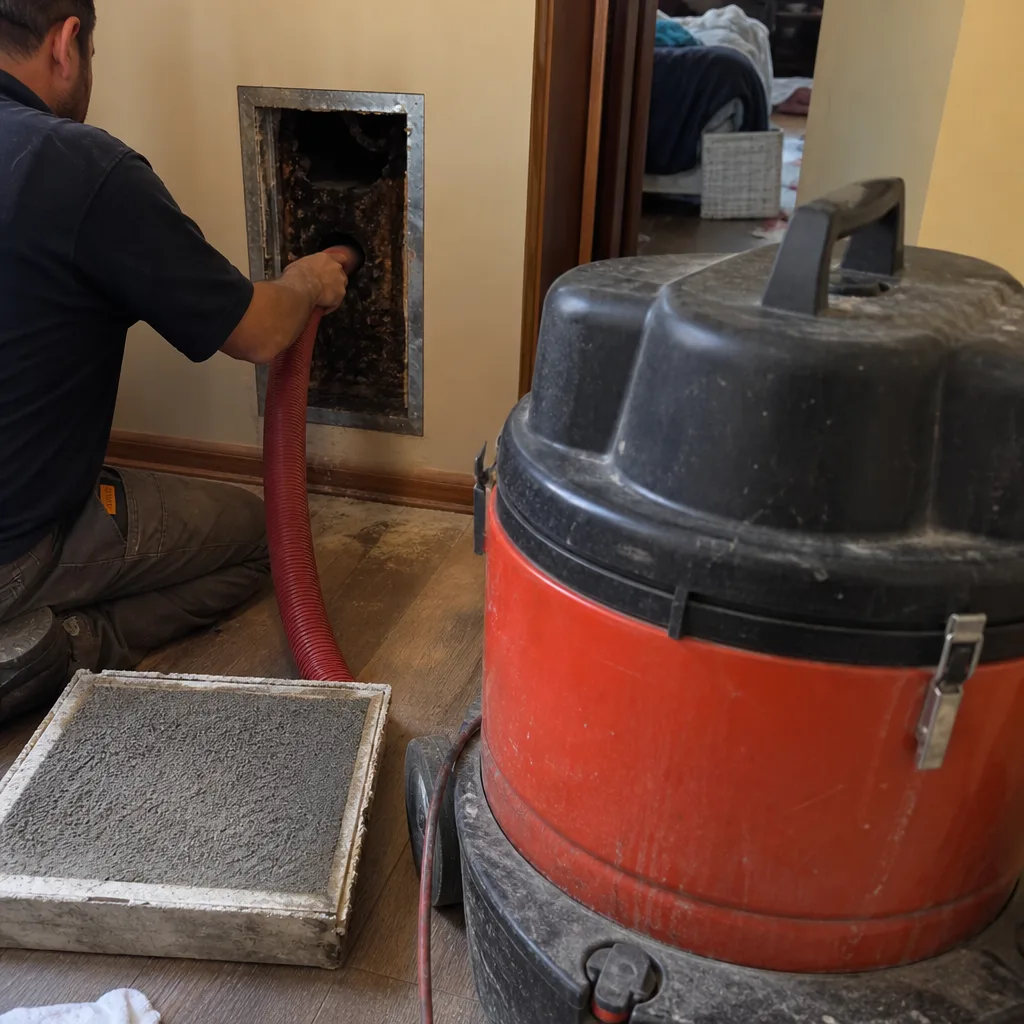 Before
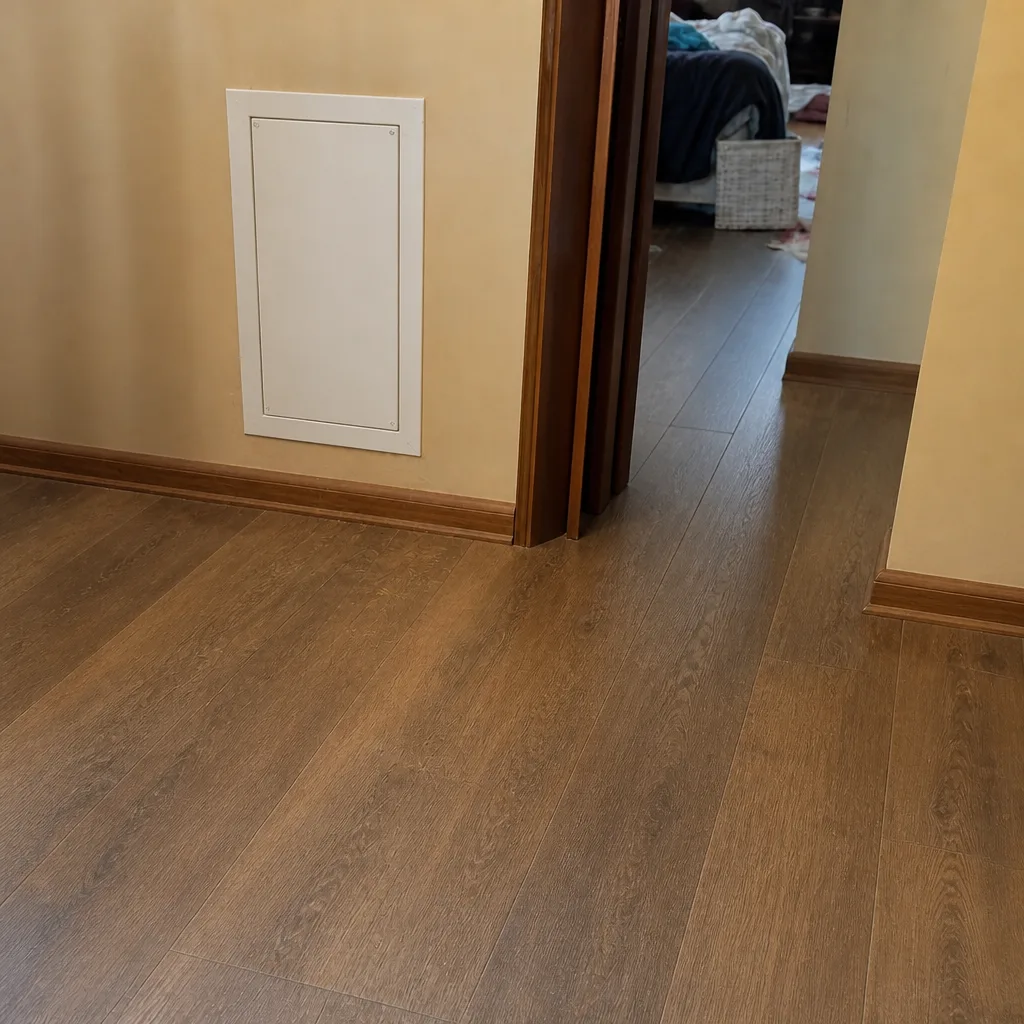 After
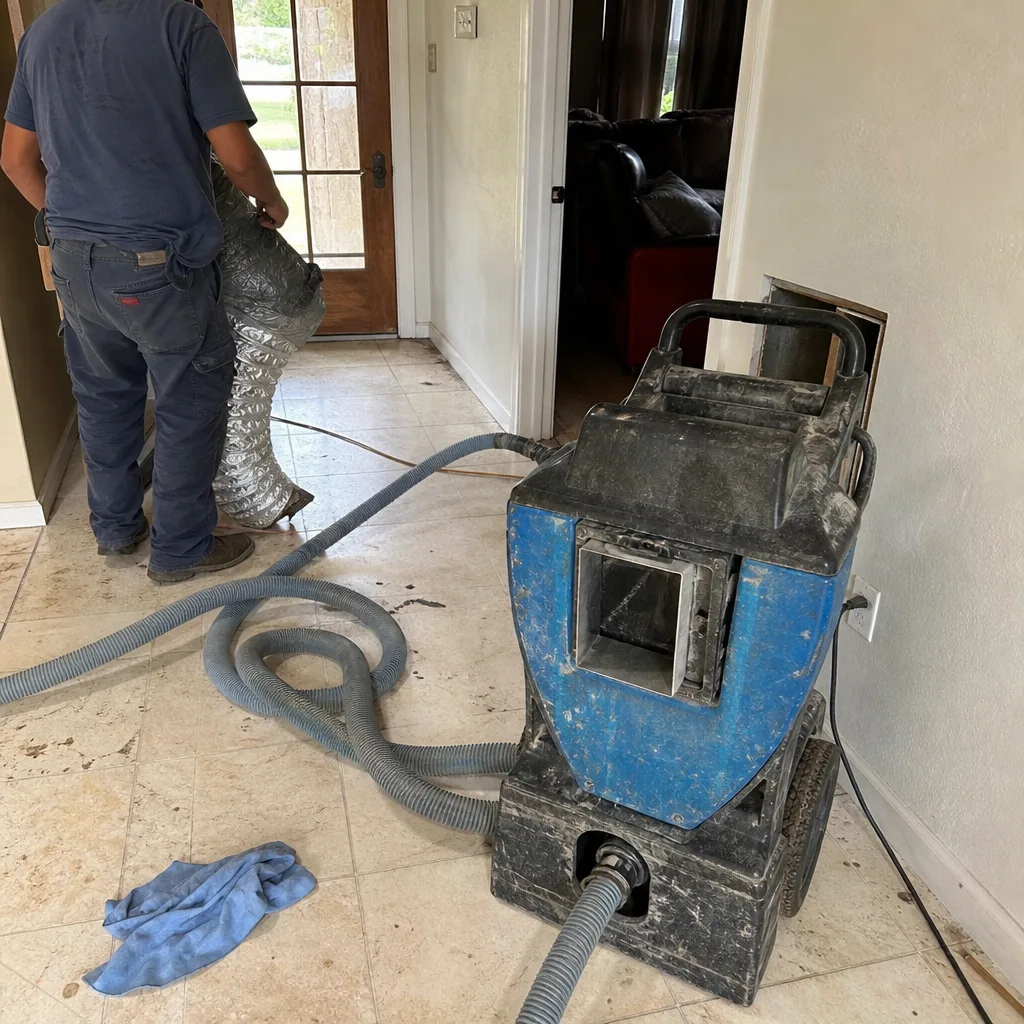 Before
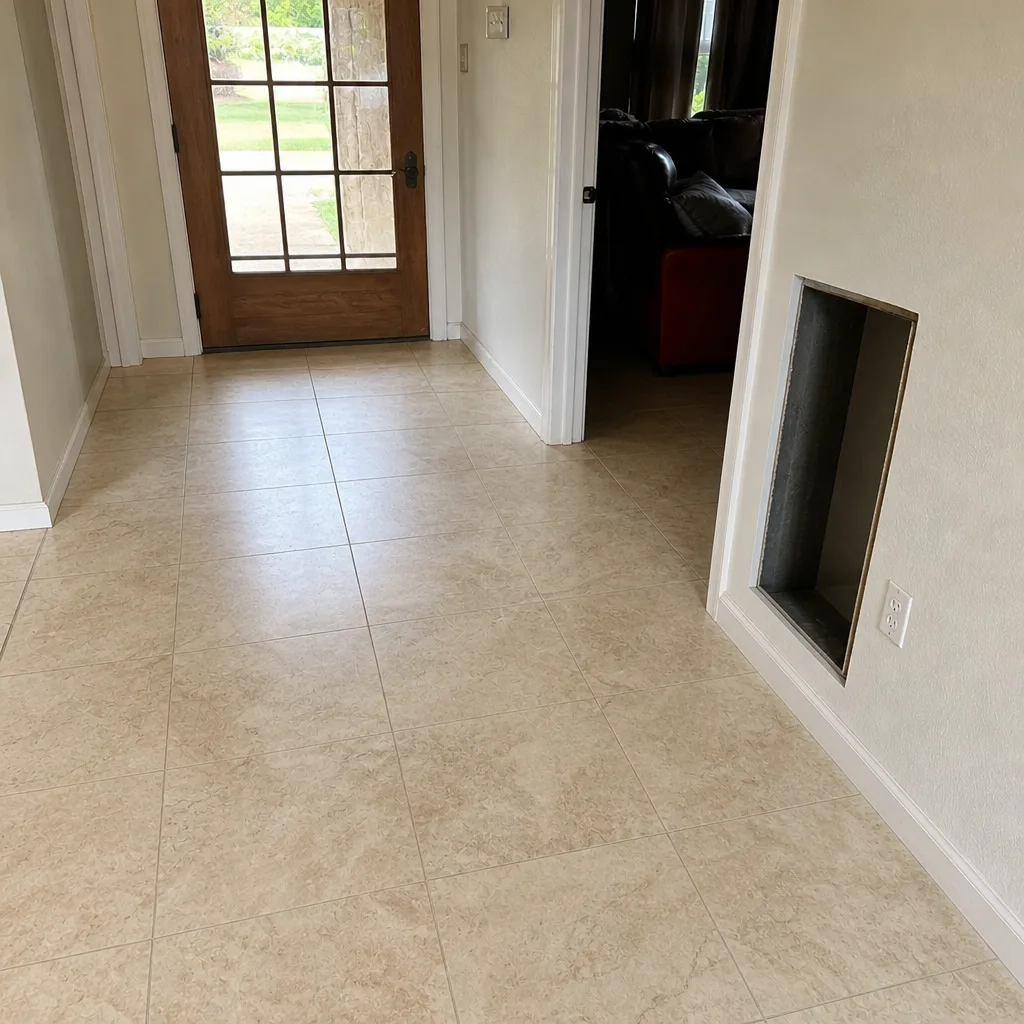 After
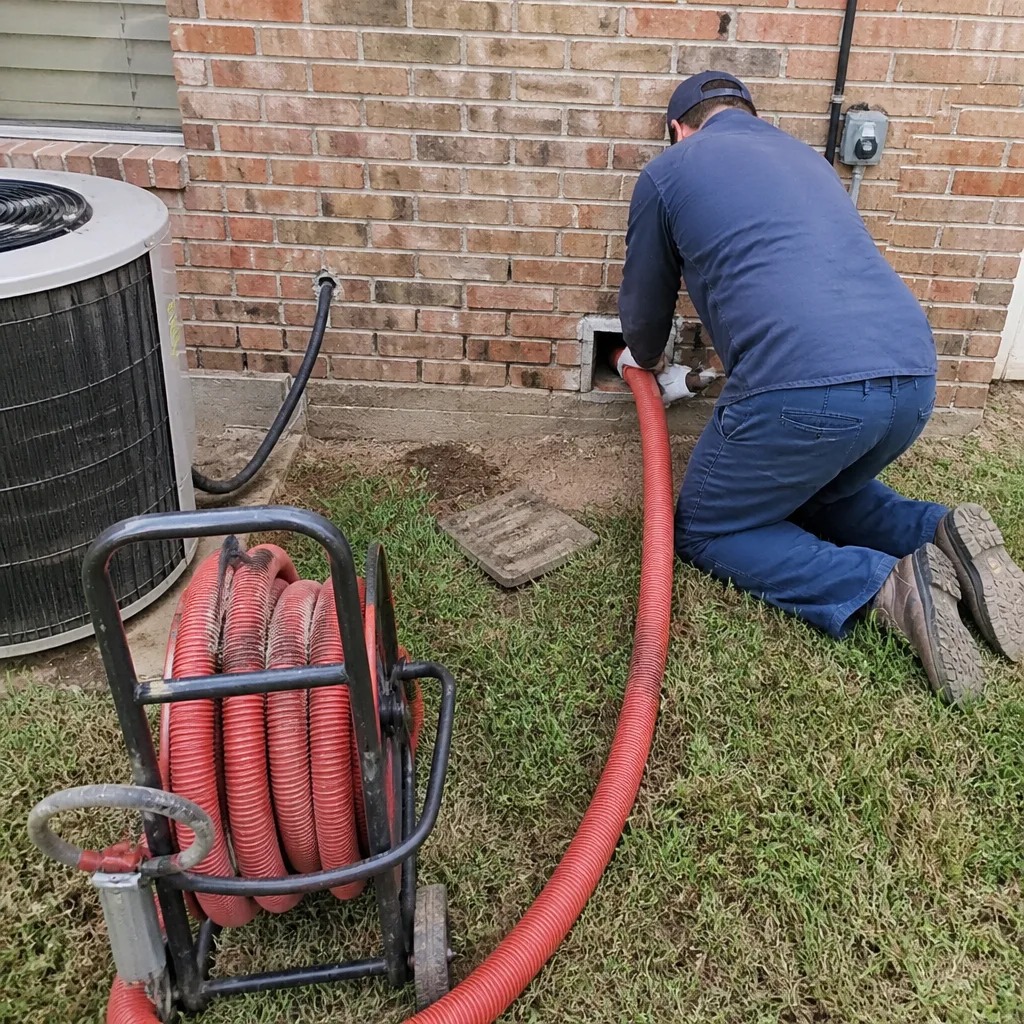 Before
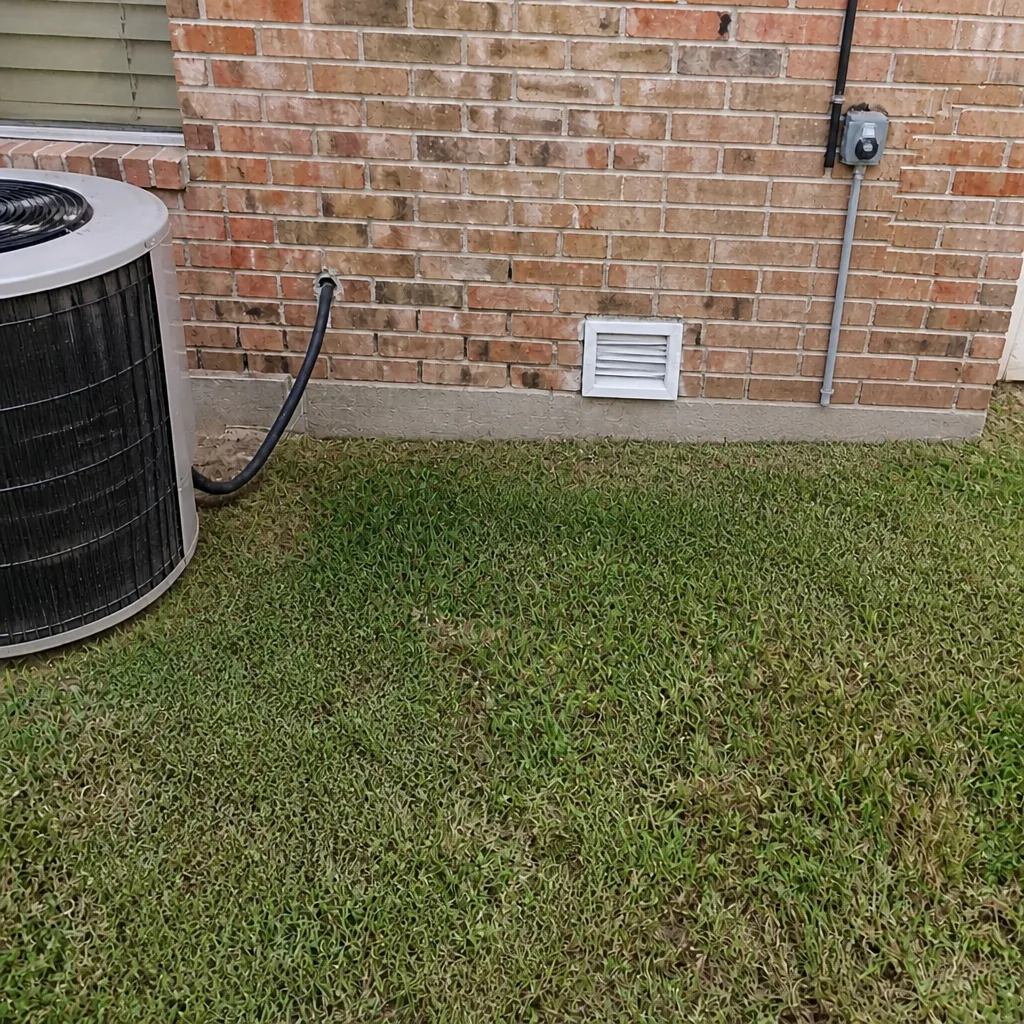 After
Frequently Asked Questions
Air duct cleaning in Pleasant Grove is priced per system, not per vent, so the range depends on the number of trunks, returns, and the layout of the ductwork. A typical single-system home is quoted on the whole job rather than per opening, because that’s the honest way to price it. We give you a written estimate before anything starts, and that estimate sets the final price. Call (855) 658-5117 for an exact quote. Estimates are free.
A quote that’s dramatically cheaper usually reflects a smaller scope: fewer machines, less time, and often no return-side cleaning or plenum inspection. If the call comes with a large add-on cost once the technician is on site, that’s a sign the initial number wasn’t the real job. Ask what equipment will be used on the day, and ask whether the return side is included. Call (855) 658-5117 to talk through what a whole-system visit actually covers.
The most reliable check is before-and-after photos of your own ducts, taken before the cleaning starts and again after it’s complete. Ask to see the photos and compare them against what was promised in the written scope. We show you what we find before we start, and that inspection is done with the camera and the light before the machines run. Call (855) 658-5117 to schedule a free estimate.
Air ducts typically don’t need cleaning on a fixed schedule; the signal is the pattern of signs, not a calendar. Homes with pets, recent renovation dust, or a history of smoking or water intrusion tend to need attention more often, while a clean, sealed system can go longer. Check the indirect signs each season and call when the pattern shows up. Call (855) 658-5117 for a free estimate if you’re seeing two or more of them.
The clearest sign of duct leakage is conditioned air disappearing before it reaches the rooms, which shows up as uneven room temperatures and an energy bill that climbs past the rate increase. Leaks into an attic are the most common in this climate, because so much of the ductwork runs through unconditioned space. A professional inspection with a camera and a moisture meter will narrow it down. Call (855) 658-5117 to book a free estimate.
Cleaning removes debris from a system that’s structurally sound; sealing closes the leaks that let air escape and let new contamination back in. Cleaning alone on a leaking system is a temporary fix, because the same gaps that lost the air last month will recontaminate the ducts within a season. We treat repair and sealing as a core service, not an add-on, because that’s where the durable result comes from. Call (855) 658-5117 for a free estimate that includes both.
The Bottom Line
The indirect signals are the ones that matter. If you watch your energy usage line, your room temperatures, and your system’s runtime, you’ll catch a duct problem before it shows up as visible dust, and that’s when it’s cheapest to fix. Visible debris at the register is a late signal; treat it as a reason to look further, not the only reason to call. We’ve laid out the tests you can run yourself, and the point at which a professional should take over: two or more indirect signs, an odor with a pattern, or a register that isn’t delivering. Pleasant Grove Air Duct Cleaning is a full indoor-air-system specialist, and we cover the whole system, not just the ducts. Pleasant Grove Air Duct Cleaning runs on professional-grade equipment; that’s the tool list that makes the difference on the day. Better air isn’t a feeling; it’s a result you can measure. Call (855) 658-5117 for a free estimate. We answer 24/7. Fast dispatch from 7am to 7pm, Sunday through Friday.
Written by the team at Pleasant Grove Air Duct Cleaning.