
Last updated November 23, 2026
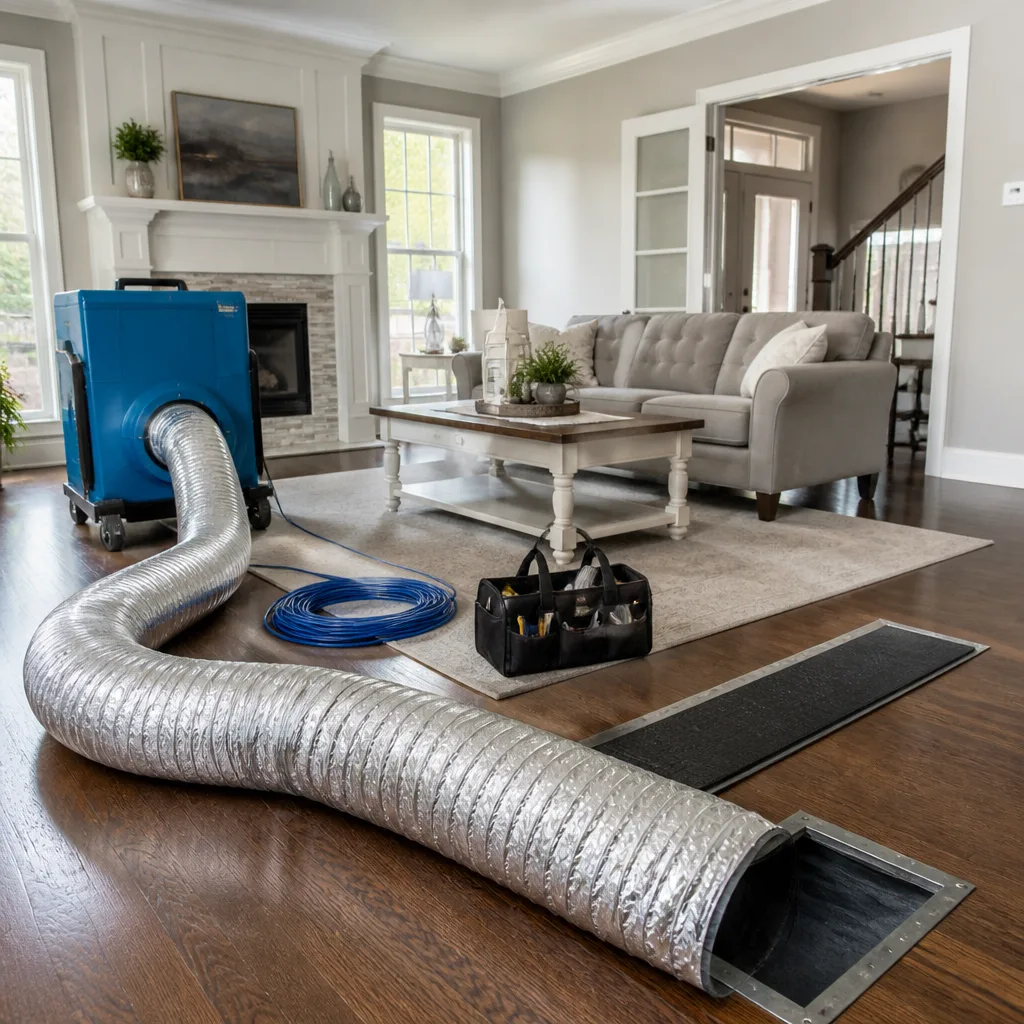 Whole-home duct cleaning
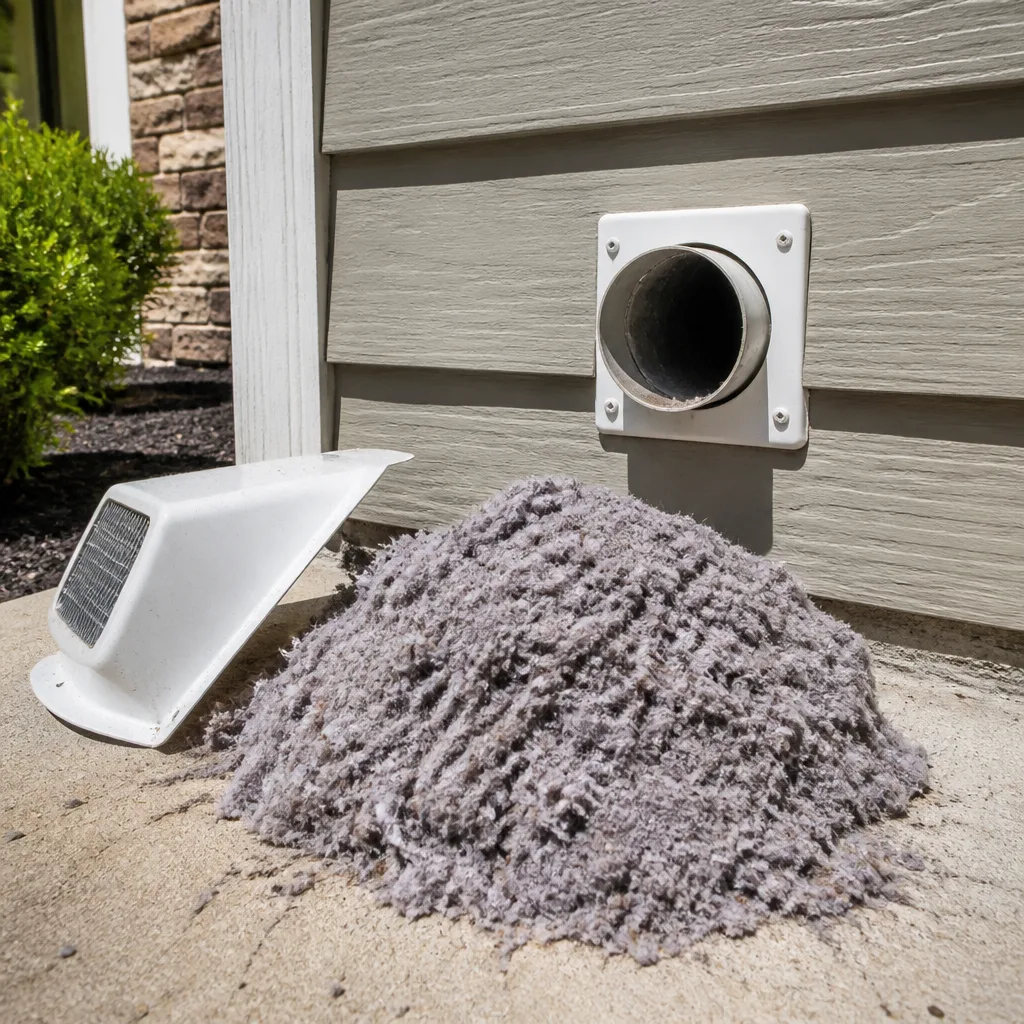 Dryer vent cleaning
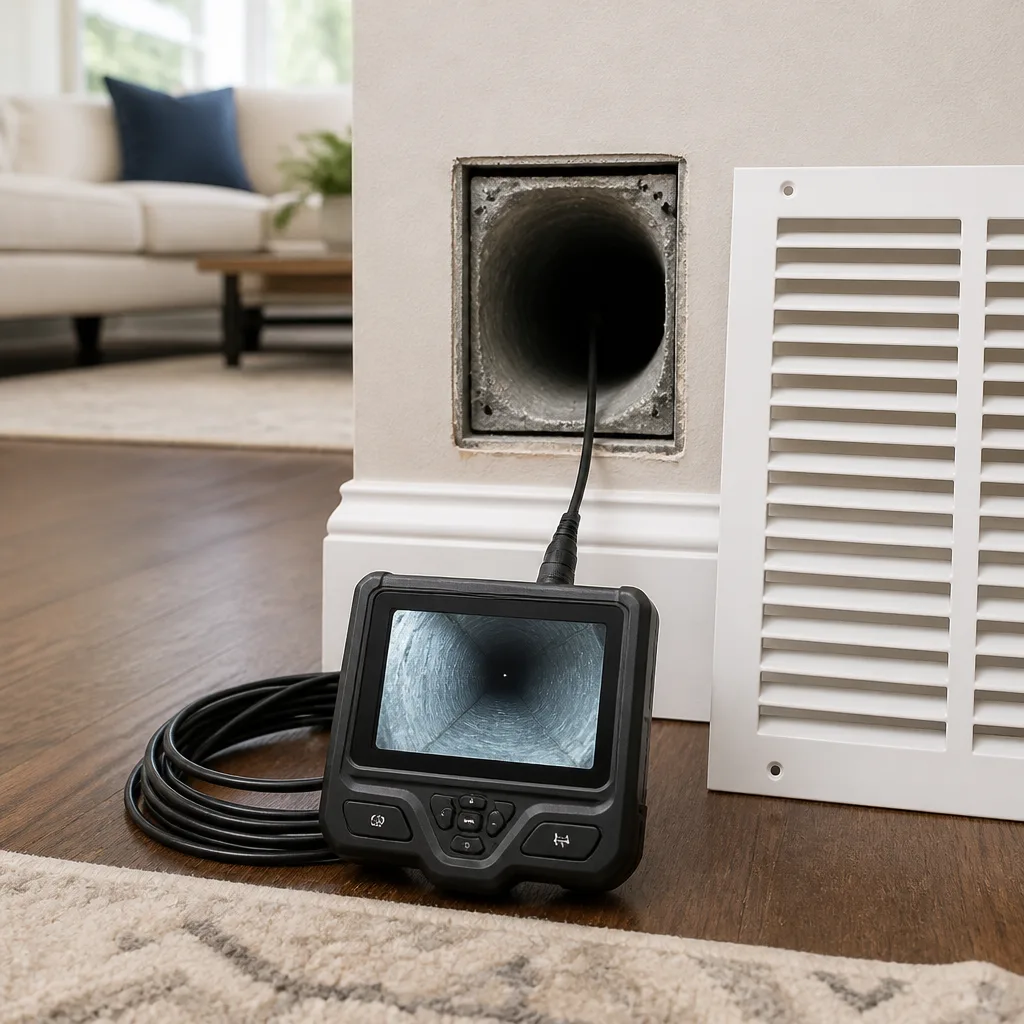 Camera inspection
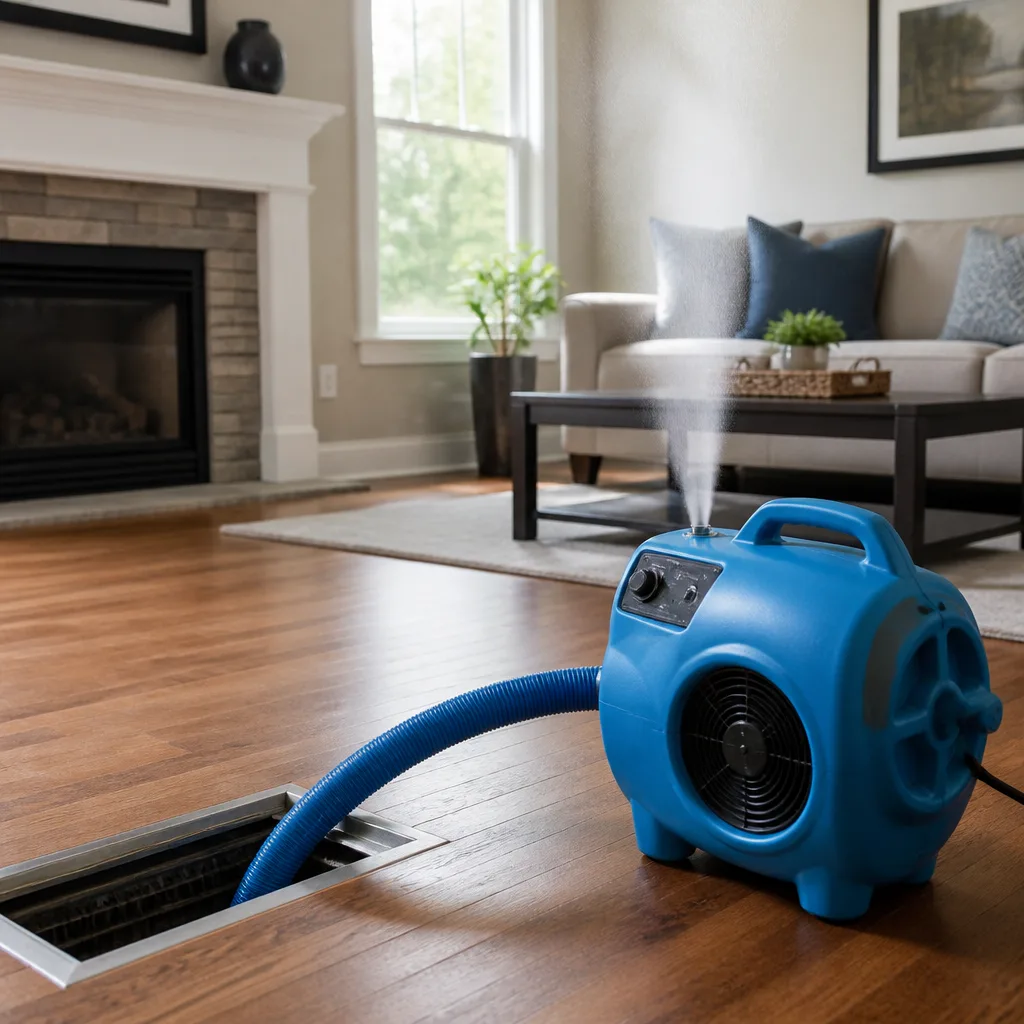 Sanitizing & deodorizing
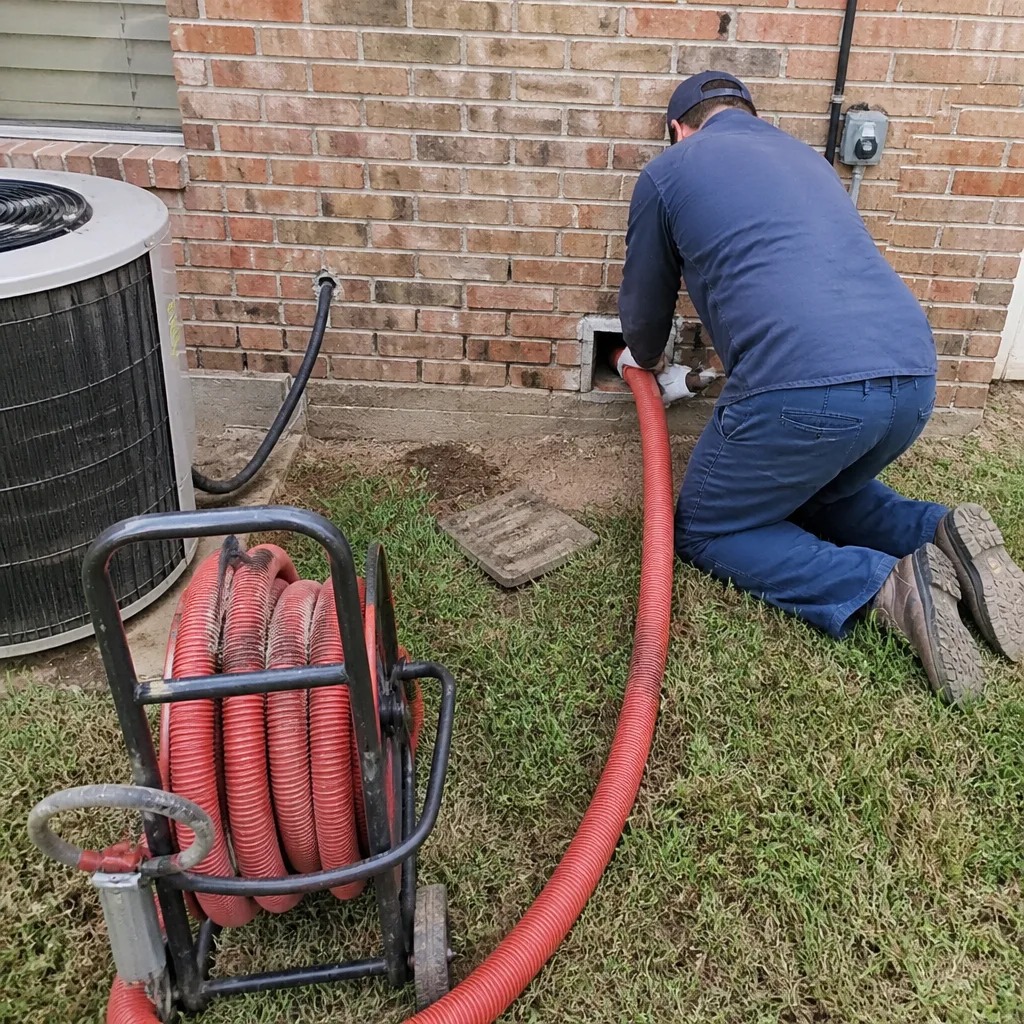
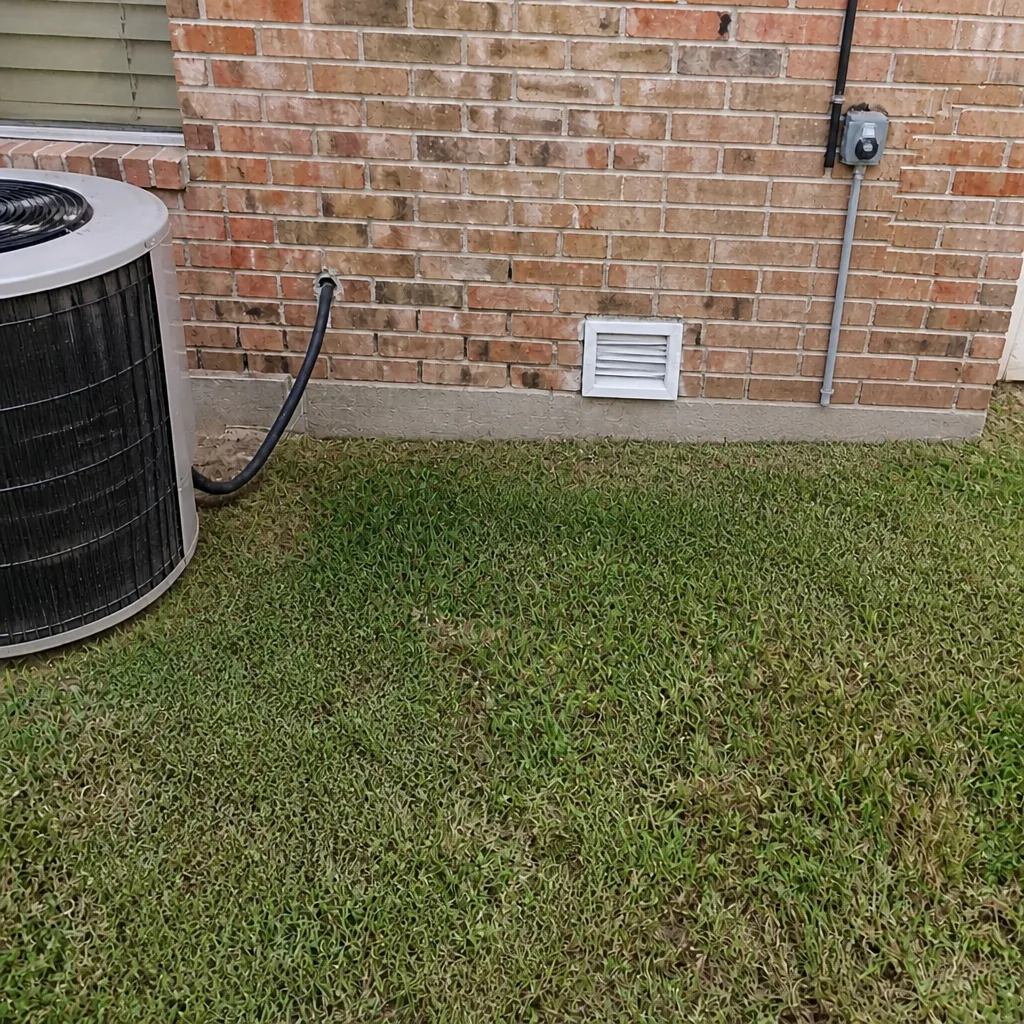
Whole-system duct and dryer vent check with before-and-after photos - you see exactly what came out of your vents
That "$99 whole-house special" is a bait ad - the real number appears once they are in your hallway, or the "clean" is a shop-vac at the register. We photograph the inside of your ducts before and after instead.
Air Duct Cleaning Permits, Codes & Inspections in Pleasant Grove, TX: What You Need to Know
Here’s a detail that surprises most homeowners: cleaning your ducts needs no permit at all, but the moment a technician cuts out a section of flex duct and installs a new one, that same job becomes regulated HVAC work in Texas. The line between “maintenance” and “modification” is the whole ballgame, and it’s the part nobody explains before the work starts. In this guide we walk through where the regulatory boundary sits, which license a contractor actually needs, how to check it yourself in a few minutes, and what a buyer’s inspector looks for when unpermitted duct work turns up years later. If you’re planning any duct project in Pleasant Grove, this is the paperwork side of it.
Quick Answer
Routine air duct cleaning in Pleasant Grove requires no state or city permit because it’s maintenance, not construction. But physical duct repair or replacement, such as swapping out flex runs, cutting in new registers, or rerouting ductwork, is regulated HVAC work under Texas law and must be done by a licensed air conditioning and refrigeration contractor (a TACLA license holder), usually with a municipal permit for anything beyond a minor like-for-like repair. Cleaning that reveals damage should pause for a proper repair plan rather than getting patched on the spot.
Styles & brands we work with
- Whole-home duct cleaning
- Dryer vent cleaning
- Camera inspection
- Sanitizing & deodorizing
Table of Contents
- Cleaning vs. Modifying: Where the Permit Line Sits
- Texas Licensing: What a TACLA License Covers
- Dallas County and City Codes on Duct Repair
- How to Verify a Contractor’s TACLA License
- Selling a Home With Unpermitted Duct Work
- When Cleaning Reveals Damage: Pause or Patch?
- What an Inspector Actually Looks For
- Your Pre-Project Paperwork Checklist
Cleaning vs. Modifying: Where the Permit Line Sits
The cleanest way to think about it: cleaning touches the inside surface of your ducts, while modifying changes the ducts themselves. Cleaning removes dust, debris, and buildup from a system that stays exactly as it was built. Modification changes the physical system, and that’s where regulation kicks in. This distinction matters because a lot of work gets sold as “cleaning” when it’s really repair, and the difference decides who’s allowed to do it and whether a permit is required.
On the cleaning side, no permit applies. Air duct cleaning with rotary brush systems and negative-air HEPA units, sanitizing treatments, coil cleaning, and dryer vent clearing are all maintenance tasks. No city inspector is going to visit for these, and none needs to. We run Rotobrush rotary brush systems and Nikro cleaning units on projects like these all the time, and the process is straightforward: contain the work area with negative pressure, agitate the duct surfaces, pull the debris out through a HEPA-filtered unit, and show the before-and-after photos when the job’s done.
On the modification side, the work crosses into regulated HVAC territory. The general threshold is:
- No permit needed: cleaning, sanitizing, coil cleaning, filter changes, and minor like-for-like sealing of a small accessible joint.
- Typically regulated: replacing or rerouting flex duct sections, cutting in new register locations, resizing supply or return trunks, and any work that changes airflow design.
- Depends on your jurisdiction: small repairs of a few feet, and duct sealing with mastic inside the conditioned envelope. Codes vary, so the safe move is always to confirm with the City of Dallas building department before that work begins.
Our approach on any job where damage turns up: we show you what we find before we start any repair, document it with photos, and tell you plainly whether it’s a cleaning fix or a licensed-repair situation. Clean ducts are the start; sealed, sanitized ducts are the finish, and the finish sometimes needs a different permit than the start.
Texas Licensing: What a TACLA License Covers
In Texas, anyone who performs HVAC work for compensation has to hold an air conditioning and refrigeration contractor license, known by its TACLA prefix and issued through the Texas Department of Licensing and Regulation. That license is the legal umbrella for the trades that touch your ductwork as a physical system. If a worker is modifying, repairing, or installing ducts, they should be working under a licensed TACLA contractor. Cleaning alone does not require that license because cleaning is maintenance, not contracting.
Here’s what the license tiers look like in general terms, and what they mean for your duct project:
- Class A: covers HVAC work at any size and any building type. This is the broadest tier.
- Class B: covers work up to a specified capacity ceiling, which includes most residential systems.
- Environmental air conditioning and commercial refrigeration endorsements: added scope on top of the base license, common on larger or mixed projects.
For a typical Pleasant Grove home, the practical requirement is that whoever cuts, reroutes, or replaces duct sections is doing so under a licensed TACLA contractor’s authority. A pure cleaning crew with no HVAC license can clean your ducts, but it cannot legally modify them. When the two get bundled into one invoice and the crew is unlicensed, the homeowner carries the risk, not the contractor. Our technicians have up to 8 years of experience, and the vetted local professionals we connect you with are licensed and insured as their state requires. We can also recommend a TACLA-licensed HVAC contractor for repair work when your job crosses that line, and we’ll tell you upfront if it does.
Dallas County and City Codes on Duct Repair
Pleasant Grove sits inside the City of Dallas in Dallas County, so the code that governs your project is the Dallas City Code as enforced by the city’s building department, typically in line with the International Residential Code. The permit threshold for duct section replacement is what homeowners ask about most, and the honest answer is that it depends on the scope. A few feet of like-for-like flex replaced because of a tear is usually treated as a minor repair. A project that reroutes supply runs, adds a register, or changes the return trunk is a modification, and that’s what pulls a permit.
Where Pleasant Grove-specific context matters is the housing itself. The neighborhood’s mix of mid-century single-story homes and newer construction means duct systems are often original to the house, with flex or fiberglass runs that have aged through many summers. Dallas County summers put sustained heat stress on attic ductwork, and attic temperatures push adhesive, mastic, and flex tape past their limits over time. That’s often how a “just cleaning” call becomes a repair call. When that happens, the question isn’t whether the ducts need fixing, it’s whether the fix is a permitted modification or a minor repair.
Two practical rules to hold onto:
- Ask before you sign. A licensed contractor should be able to tell you whether your specific job needs a permit, and if they can’t, that’s a signal to get a second opinion.
- Call the city for anything ambiguous. The City of Dallas building department is the authority, not the contractor’s opinion and definitely not ours. A two-minute phone call to confirm before work begins prevents a much longer headache later.
How to Verify a Contractor’s TACLA License
Texas makes this unusually easy, and it takes minutes. Every licensed contractor’s status is public through the Texas Department of Licensing and Regulation, and there’s no excuse for skipping the check before signing a contract for duct repair or replacement.
- Ask for the license number in writing. A TACLA license number should appear on the estimate or contract, not just get mentioned verbally.
- Go to the TDLR license search on the state website. The lookup is free and open to the public.
- Enter the number and check the status. The record should show the number as active if the contractor is in good standing.
- Confirm the class matches your project. A Class A or Class B license should cover residential duct work, but verify the scope listed matches what you’re having done.
- Check the name. The business name on the record should match the business name on your estimate. Mismatches happen and they matter.
If a contractor can’t or won’t give you a license number, that’s your answer. A licensed contractor has nothing to lose by showing it. For cleaning-only jobs, ask instead about insurance and how the crew contains the work area, since no HVAC license is required for pure cleaning. We can point you toward Pleasant Grove air duct cleaning basics if you’re still at the shopping stage and want to understand what good service looks like before you call anyone.
Selling a Home With Unpermitted Duct Work
This is where the paperwork catches up with the work. If a duct modification happened without a permit, the paper trail doesn’t exist, and a buyer’s inspector looks for exactly that gap. Texas generally requires sellers to disclose known material defects and known unpermitted work, and a buyer’s inspector who spots mismatched duct materials, fresh mastic on an old system, or a register cut in without a boot and collar is going to flag it.
What inspectors typically check for on duct work:
- Duct material consistency. Mismatched flex runs or obvious patchwork is a red flag for unpermitted modification.
- Register placement and boot installation. A register with no proper boot, or one placed without a ceiling penetration cut cleanly, looks amateur and gets flagged.
- Sealing quality. Mastic and mesh tape applied poorly or in the wrong place suggests work done outside a permitting process.
- Attic routing and support. Ducts sagging off their straps or rerouted without proper support draw attention.
- Disclosure paperwork. No permits on file, plus visible modification, is the pattern that turns into a negotiation or, in some cases, a credit request from the buyer.
The fix isn’t dramatic. If minor unpermitted work is found, the standard path is getting the work inspected and permitted retroactively where the city allows, or getting it corrected by a licensed contractor and documented. That’s why we pause and document before repairing, and why a job that gets done right the first time is cheaper than one that gets fixed twice. One call covers your ducts, your dryer vent, your HVAC, and your air quality, but the paperwork is what makes it stick.
When Cleaning Reveals Damage: Pause or Patch?
This is the decision point that separates a professional job from a rushed one. Duct cleaning routinely turns up damage: torn flex, disconnected runs, crushed sections behind a bend, or a collar that never got sealed. The wrong response is a quick patch so the job stays on schedule. The right response is to pause, document, and figure out whether the repair is a minor fix or a modification that needs a permit and a licensed contractor.
Here’s how the decision works in practice:
- Document the damage. Photos of the exact location and condition, before anything is touched.
- Classify it. Is this a like-for-like minor repair, or does it change duct routing, register location, or system capacity? If the second, it’s a licensed modification.
- Check the permit threshold. Confirm with the City of Dallas building department whether the scope needs a permit.
- Get the right professional. Minor sealing can usually be handled by the cleaning crew, but modification needs a TACLA-licensed contractor under permit.
- Resume the job. Once the repair is done properly, finish the cleaning and sanitizing so the system ends in a correct state.
We show you what we find before we start, which means you’re making the call with photos and a plan, not a verbal description. Duct repair and sealing is a core part of what we do, and we’d rather see a job paused for a proper repair permit than patched badly to save an hour. That’s the whole idea behind a full-system scope: cleaning, sealing, and sanitizing get evaluated as one project, and the paperwork gets handled correctly at each stage.
What an Inspector Actually Looks For
Home inspectors and municipal inspectors have different jobs but overlapping eyes. The municipal inspector reviewing permitted duct work checks that the installation matches the permit and meets code: duct material rating, proper support and strapping, sealed joints, correct register boots, and safe routing away from heat sources. A home inspector on a resale checks for clues that unpermitted work happened at all. Knowing both is how a homeowner avoids surprises in either direction.
The main checkpoints on a permitted duct project:
- Duct material rating. Flex duct should carry a proper listing and be installed per its listing. Unlabeled or mismatched material draws questions.
- Support and strapping. Ducts need to be supported and routed without pinching or crushing. Sagging runs cut airflow and show poor workmanship.
- Sealing at joints and boots. Every joint, boot, and collar should be sealed with mastic or proper tape. Leaky joints are the most common finding.
- Register boots and penetrations. New registers should have proper boots and clean penetrations, not improvised openings.
- Routing and clearances. Ducts routed too close to heat-producing equipment or blocking access draw flags.
One practice that makes inspections easier on everyone: photographic documentation of sealed joints and completed runs, taken during the work. In our experience, that documentation answers inspection questions faster than anything else, and it’s the same documentation that helps a home sale two or five years down the road. Better air isn’t a feeling; it’s a result you can measure and verify.
Your Pre-Project Paperwork Checklist
Before a duct project starts in Pleasant Grove, a small amount of paperwork prevents nearly every downstream issue. This is the list we recommend to every homeowner we work with, whether the project is a straight cleaning or a repair with permit implications.
- Written scope of work. One flat price per system, agreed before work starts, with the exact services listed: cleaning, sanitizing, sealing, repair, dryer vent, HVAC.
- License verification. TACLA number on the estimate for any modification work, verified on the TDLR site.
- Insurance confirmation. The local pro is licensed and insured as their state requires; ask to see the certificate.
- Permit confirmation. If the job involves duct replacement or a register change, confirm whether the City of Dallas building department requires a permit before work begins.
- Before-and-after photo policy in writing. Documentation of what was found, what was repaired, and what was cleaned.
- Disclosure of any damage found during the job. A pause-and-document commitment, not a patch-and-continue policy.
- Final walkthrough and sign-off. A chance to review the photos and the completed scope together before the invoice is final.
If you’re also handling dryer vent cleaning or a full HVAC cleaning at the same time, add those to the same written scope so the paperwork covers the entire project in one document. It makes the inspection and the eventual home sale cleaner on all fronts.
Common Mistakes to Avoid
- Accepting a verbal “no permit needed” for a duct replacement. A verbal statement isn’t a determination. Get it in writing, and if the scope includes cutting or rerouting, confirm with the City of Dallas.
- Letting a cleaning crew patch damaged duct on the spot to keep the schedule. Minor sealing is fine, but physical modification without a licensed contractor’s authority creates exposure you don’t want at resale.
- Skipping the TDLR license check. It takes two minutes. Contractors who won’t provide a TACLA number have told you something you need to hear.
- Assuming the cleaning quote covers repair. In Pleasant Grove, we’ve seen plenty of homes where the duct cleaning estimate included obvious repairs without any disclosure that a license or permit was involved. Read the scope carefully.
- Not asking about insurer and license documentation for the specific crew. The company on the invoice and the company holding the license need to match.
- Waiting until the home is listed to fix unpermitted work. Retroactive permitting is easier to handle than a negotiation in escrow, and cheaper.
- Treating attic duct damage as cosmetic. Dallas County heat and attic conditions push duct materials hard. A crushed or disconnected run is an airflow and efficiency issue, not a cosmetic one.
See the difference
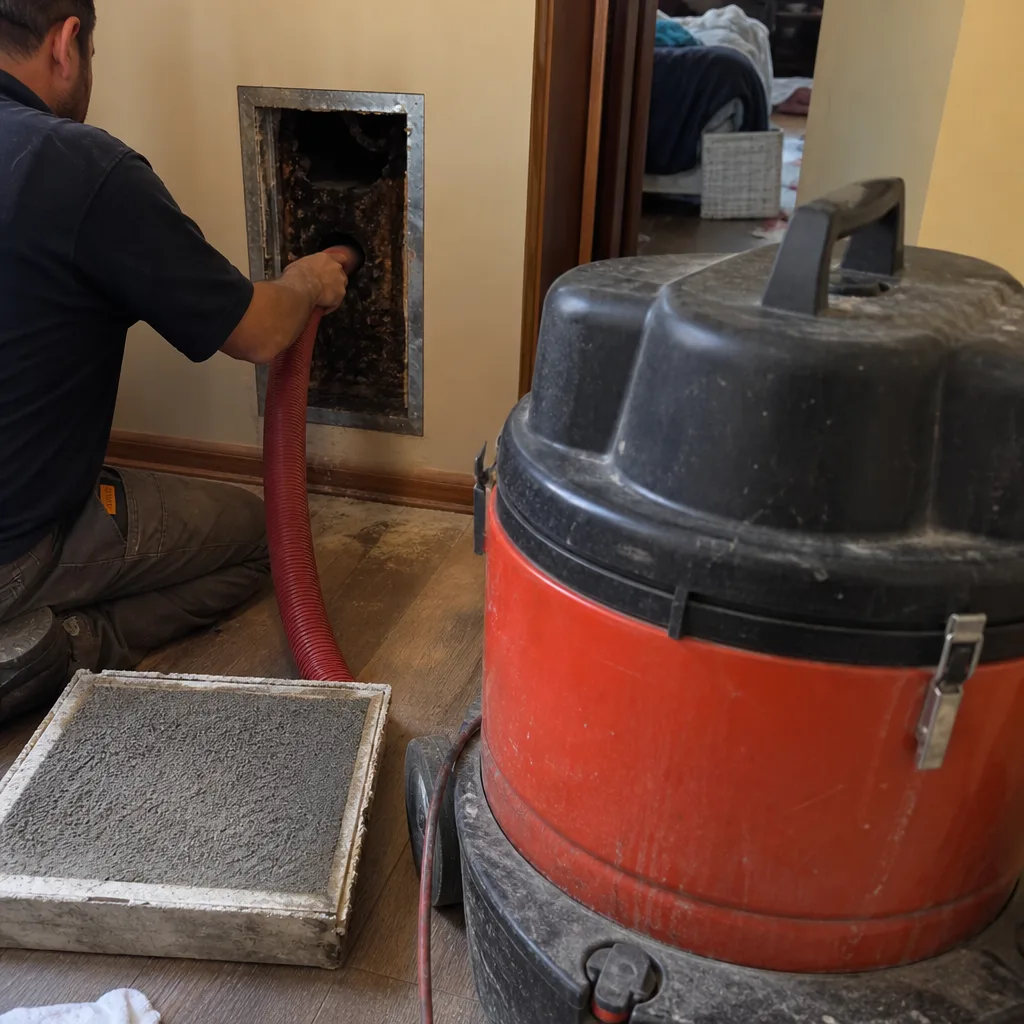 Before
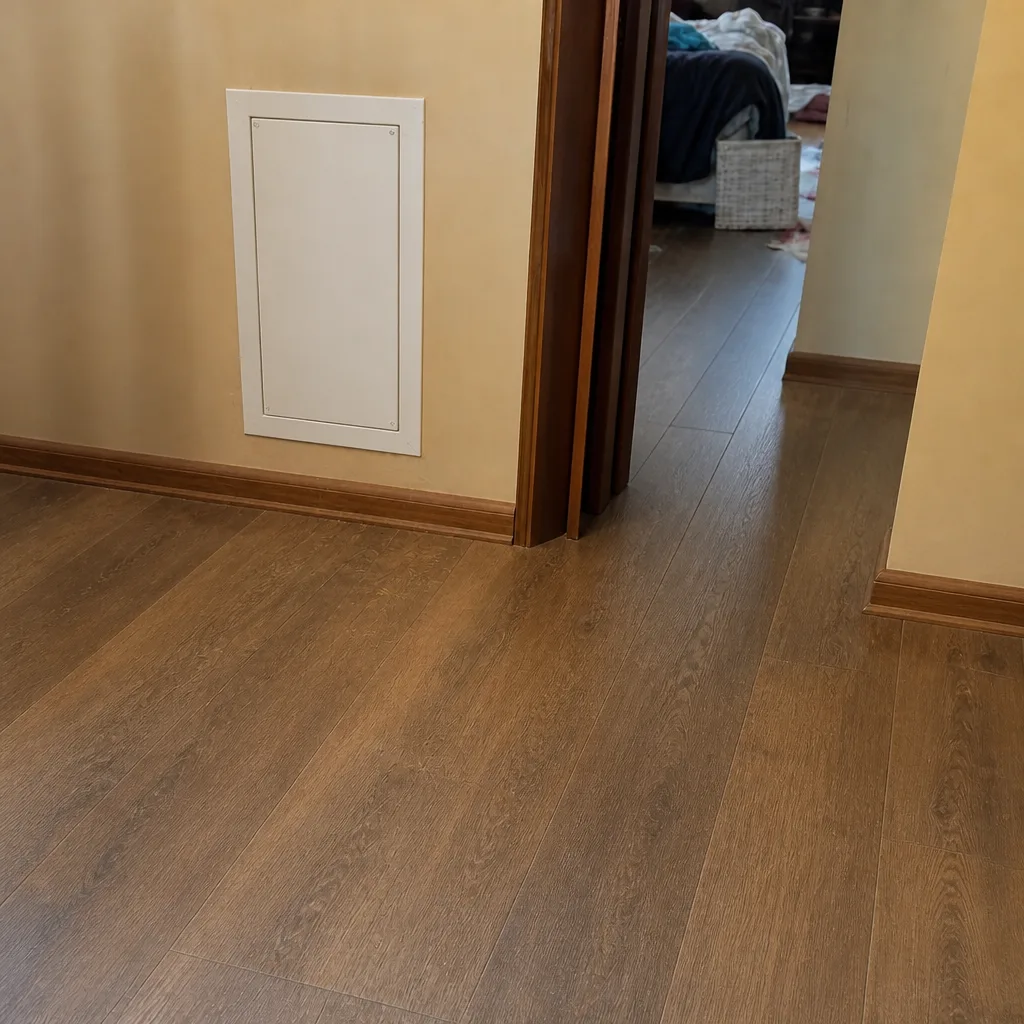 After
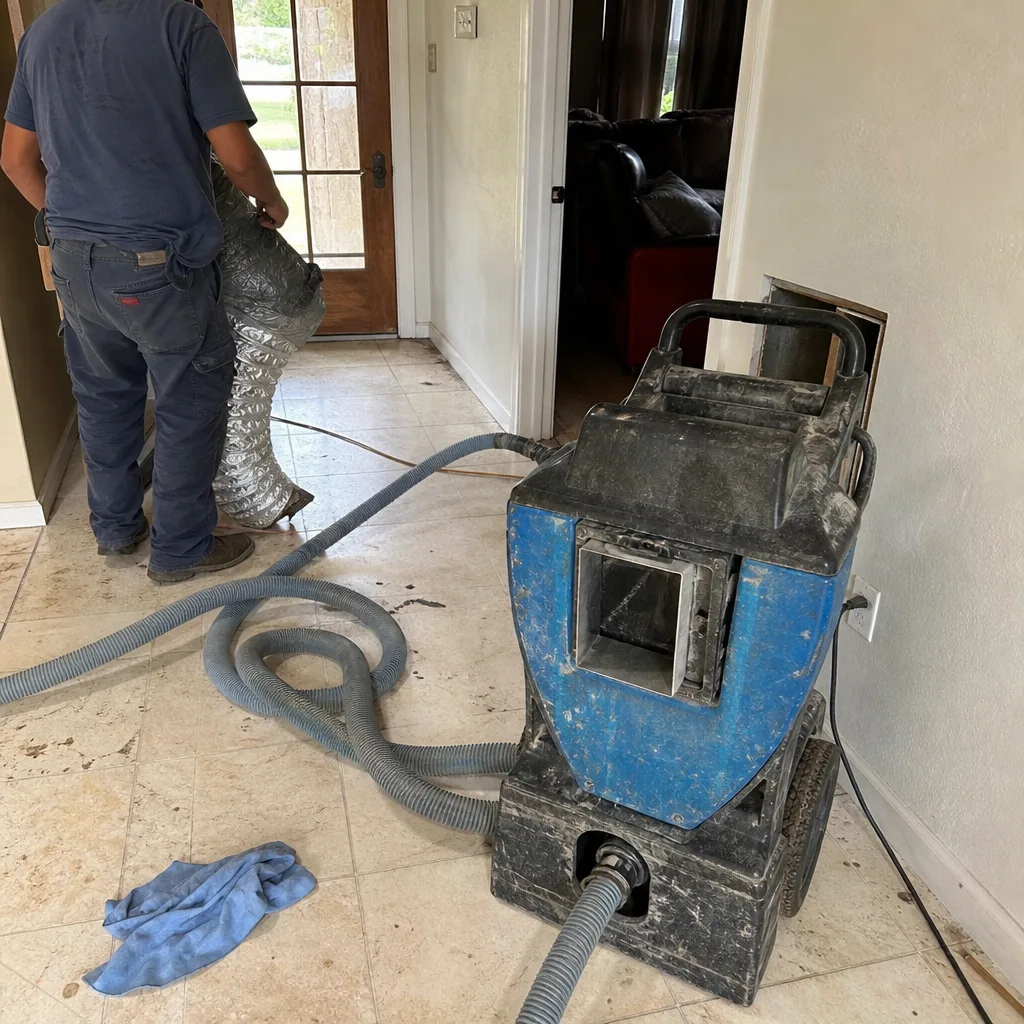 Before
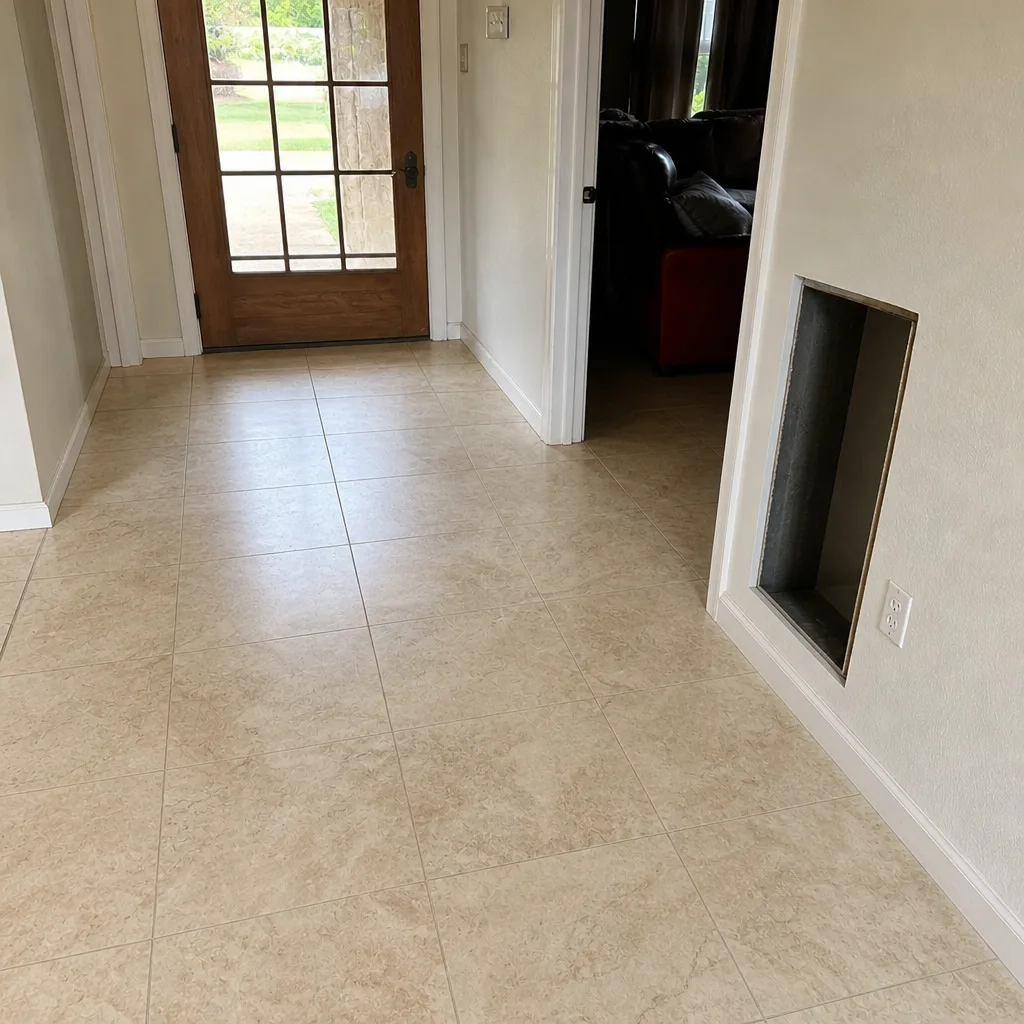 After
 Before
 After
When to Call a Professional
Call a professional if any of these apply: your cleaning reveals torn, disconnected, or crushed ductwork that would need to be restored; you’re planning to add or move a register; you suspect the previous owner ran unpermitted duct work; you’re preparing to sell and want a clean paper trail; or you want a full-system look that covers cleaning, sealing, sanitizing, and dryer vent in one visit. For pure cleaning, any honest crew can do it, but for repair and modification, the license and permit question decides who’s qualified.
We work on Rotobrush rotary brush systems, Nikro cleaning platforms, and Abatement Technologies negative-air units, and we’re familiar with Honeywell and Aprilaire whole-home filtration and humidity equipment, so a recommendation doesn’t stop at the duct itself. Pleasant Grove Air Duct Cleaning offers free estimates in Pleasant Grove. Call (855) 658-5117. We answer 24/7. Fast dispatch from 7am to 7pm, Sunday through Friday.
Frequently Asked Questions
No. Routine air duct cleaning in Pleasant Grove is maintenance work and doesn’t require a city or state permit. Permits come into play only when the work moves from cleaning into physical modification of the ductwork, such as replacing flex runs, rerouting ducts, or cutting in new registers. If you’re ever unsure whether your project crosses that line, call the City of Dallas building department directly. Call (855) 658-5117 for an exact quote on cleaning, and we’ll tell you upfront if a permit consideration applies.
Cleaning removes debris from the inside of the ducts without changing the physical system. Duct repair or modification changes the ducts themselves, and that work falls under Texas HVAC contractor licensing and usually requires a permit. The practical answer: cleaning needs no license, modification does. If a crew is cutting mastic, replacing flex sections, or moving a register, they should be working under a TACLA-licensed contractor. Call (855) 658-5117 if you want us to walk through your specific situation before any work starts.
Any HVAC contractor doing work for hire in Texas holds a TACLA license issued through the Texas Department of Licensing and Regulation, and that license is verifiable on the state’s public license lookup. Ask for the number in writing, check the status on the TDLR site, and confirm the license class matches your project. Cleaning-only crews don’t need the license, but they should still be insured. Call (855) 658-5117 and we’ll help you sort out which license applies to what.
Yes, it can complicate a sale. A buyer’s inspector looks for signs of unpermitted modification, and Texas disclosure rules mean known unpermitted work should be disclosed. Evidence like mismatched duct materials, improvised register penetrations, and obvious patchwork draws the inspector’s attention. The fix is documentation and, where the city allows, retroactive permitting. Call (855) 658-5117 if you want a documented inspection of your duct system before you list.
Typical duct repair involves sealing leaks at joints and boots with mastic and mesh tape, restoring crushed or disconnected sections of flex, replacing a damaged boot, and re-securing support straps. Minor like-for-like work is usually done by the cleaning crew, while modification work needs a licensed contractor and a permit. Prices are estimates, set per job by the written estimate, with one flat price per system. Call (855) 658-5117 for a free estimate and a clear scope before you commit to anything.
If the damage is a modification that needs a permit, yes: pause, document, and don’t let the crew patch it on the spot to save the schedule. If it’s minor sealing inside the system, the cleaning job can usually finish correctly in the same visit. Either way, you should see before-and-after photos of what was actually found, not just be told about it verbally. Call (855) 658-5117 if you want a conversation about what turns up in your system and what the right next step is.
The Bottom Line
The rule of thumb for Pleasant Grove homeowners is simple. Cleaning needs no permit. Modification does, and the threshold is physical change to the duct system: replacing flex sections, rerouting runs, moving registers. Verify the TACLA license on the TDLR site before any repair begins, confirm the permit question with the City of Dallas if the scope is unclear, and insist on a pause-and-document approach when damage turns up mid-job. That three-step discipline protects your home sale, your insurance position, and the actual performance of your air system. One flat price per system, agreed before work starts, keeps the paperwork as clean as the ducts.
Get a Free Estimate in Pleasant Grove
If you’re ready to move forward, we’ll walk you through your system, show you what we find, and put together a written scope covering cleaning, sanitizing, sealing, and dryer vent if needed. If the job needs a licensed TACLA contractor and a permit, we’ll tell you that upfront. Call (855) 658-5117 for a free estimate. We answer 24/7. Fast dispatch from 7am to 7pm, Sunday through Friday. We’re closed on Saturday, and work outside the usual day is booked into the next opening, Sunday through Friday, 7am to 7pm.
Written by the team at Pleasant Grove Air Duct Cleaning.