
Last updated November 23, 2026
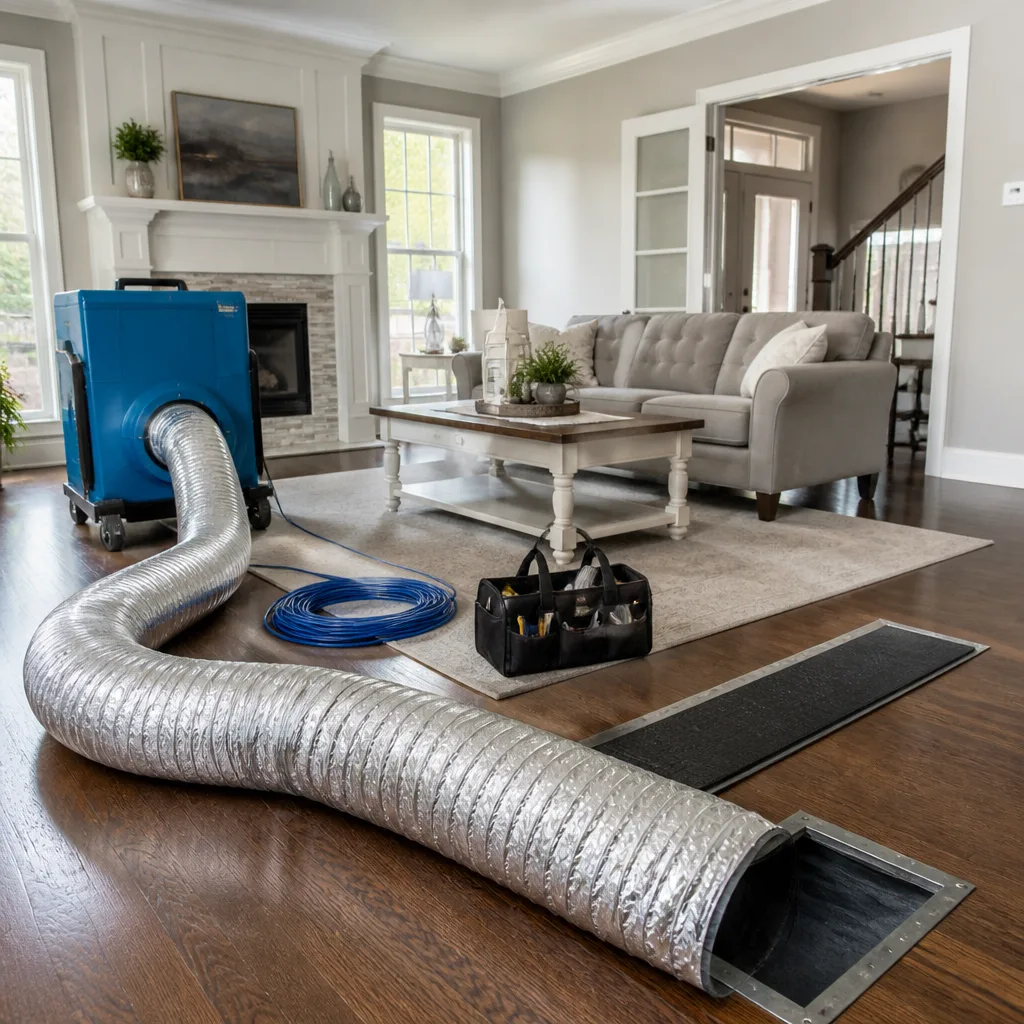 Whole-home duct cleaning
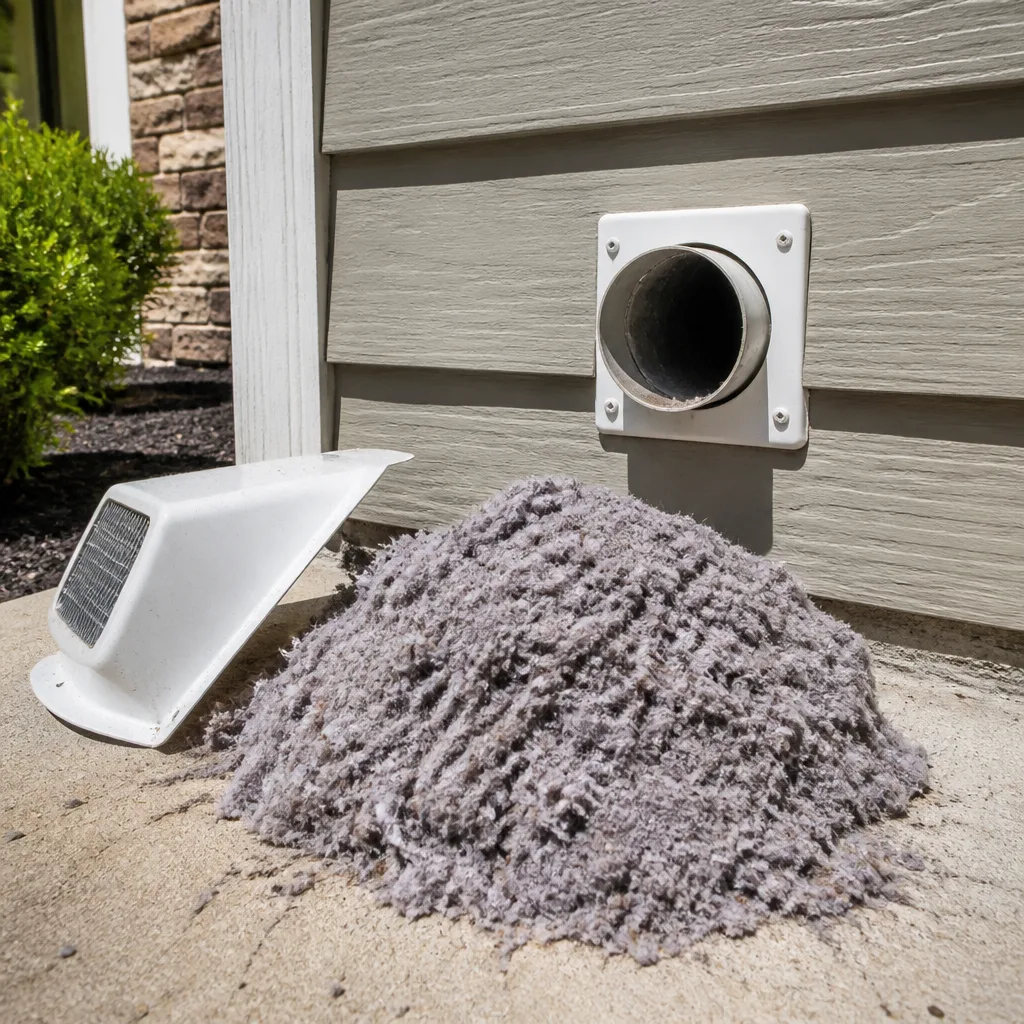 Dryer vent cleaning
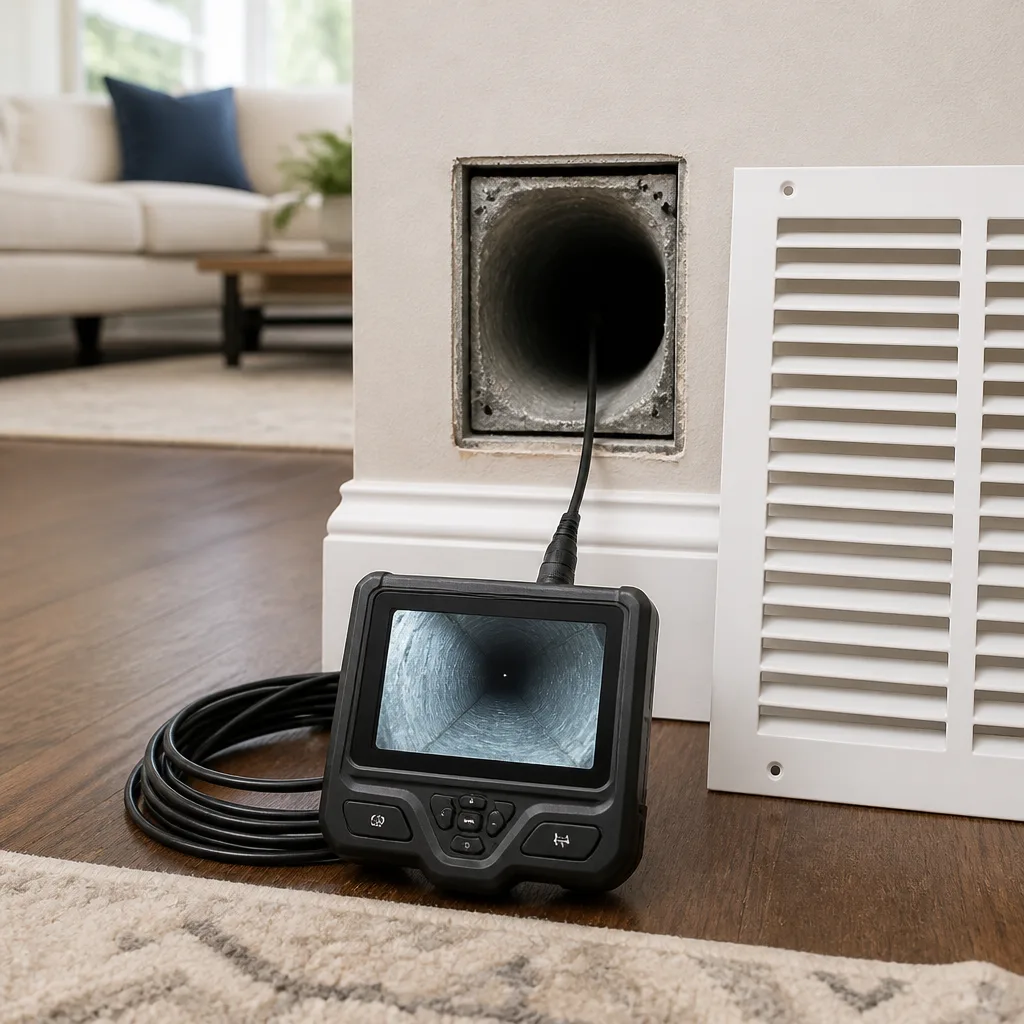 Camera inspection
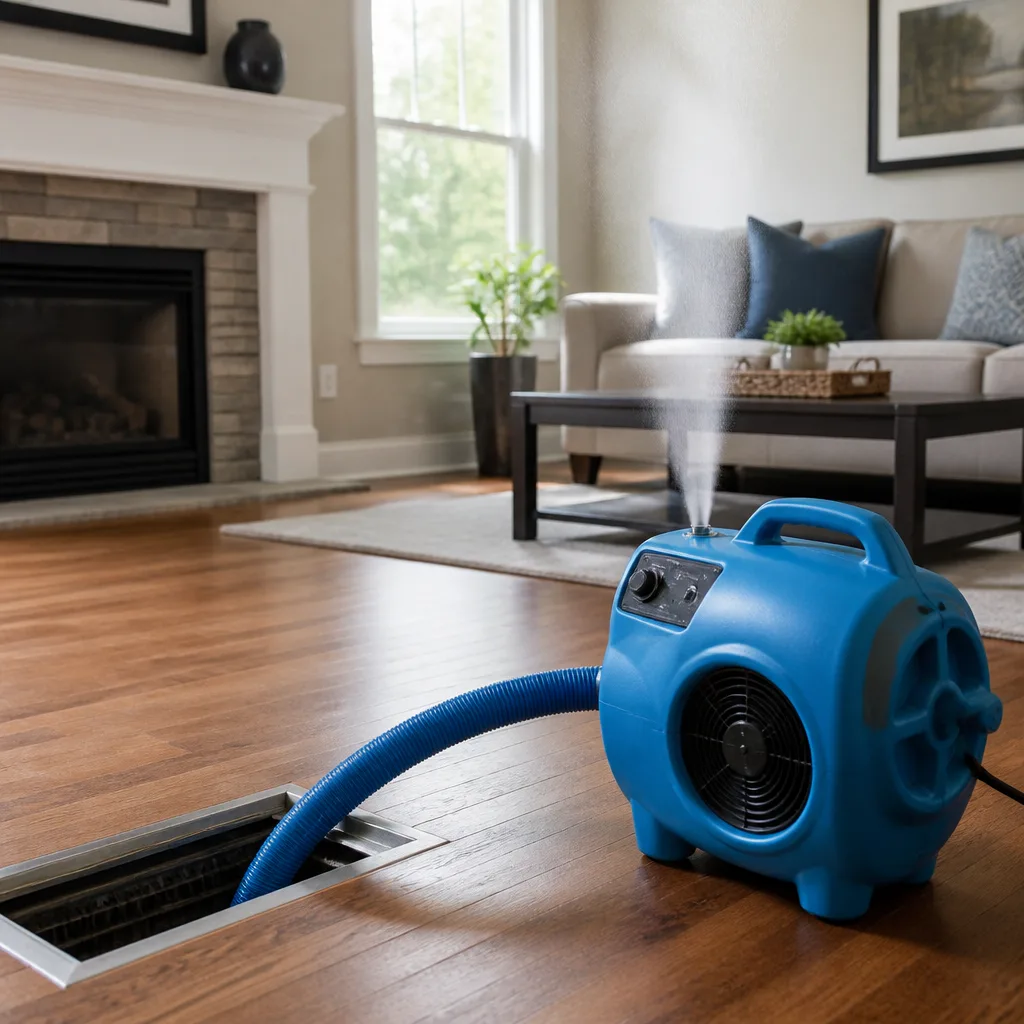 Sanitizing & deodorizing
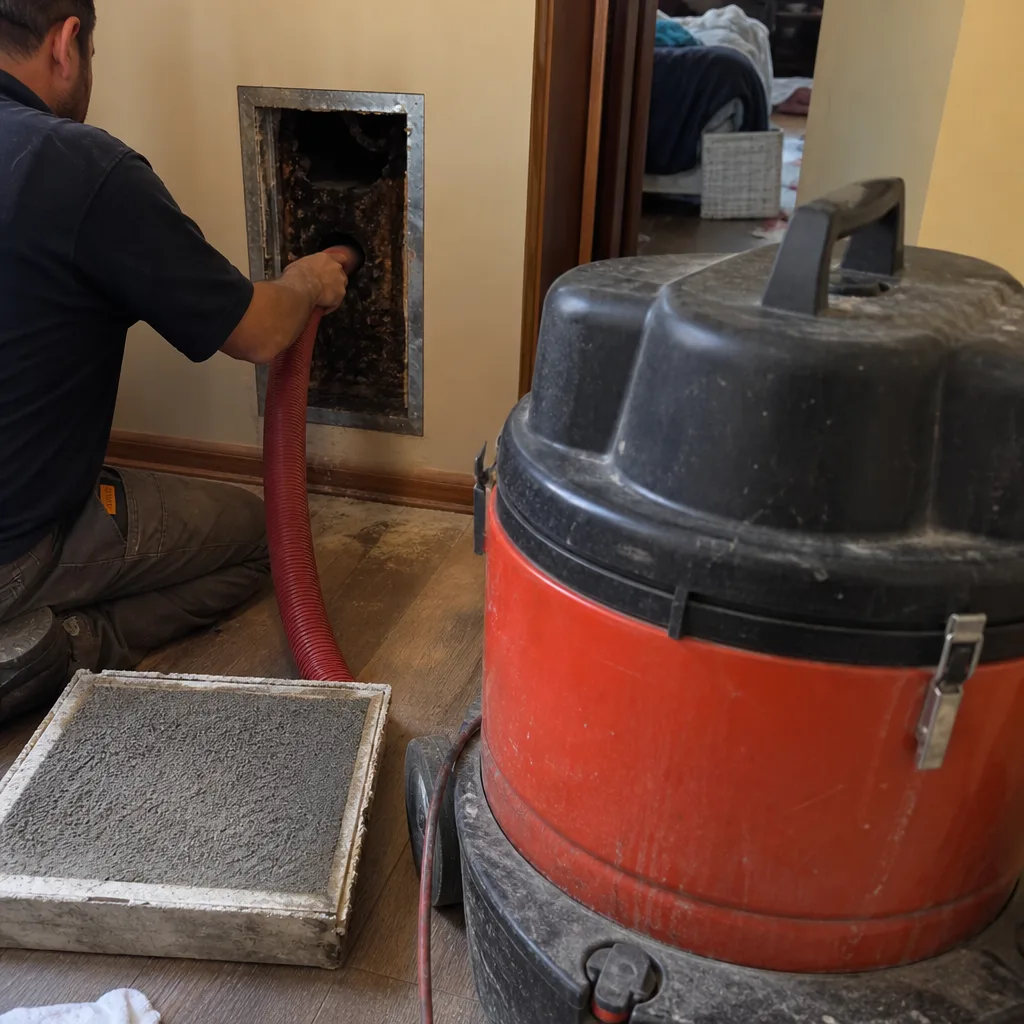
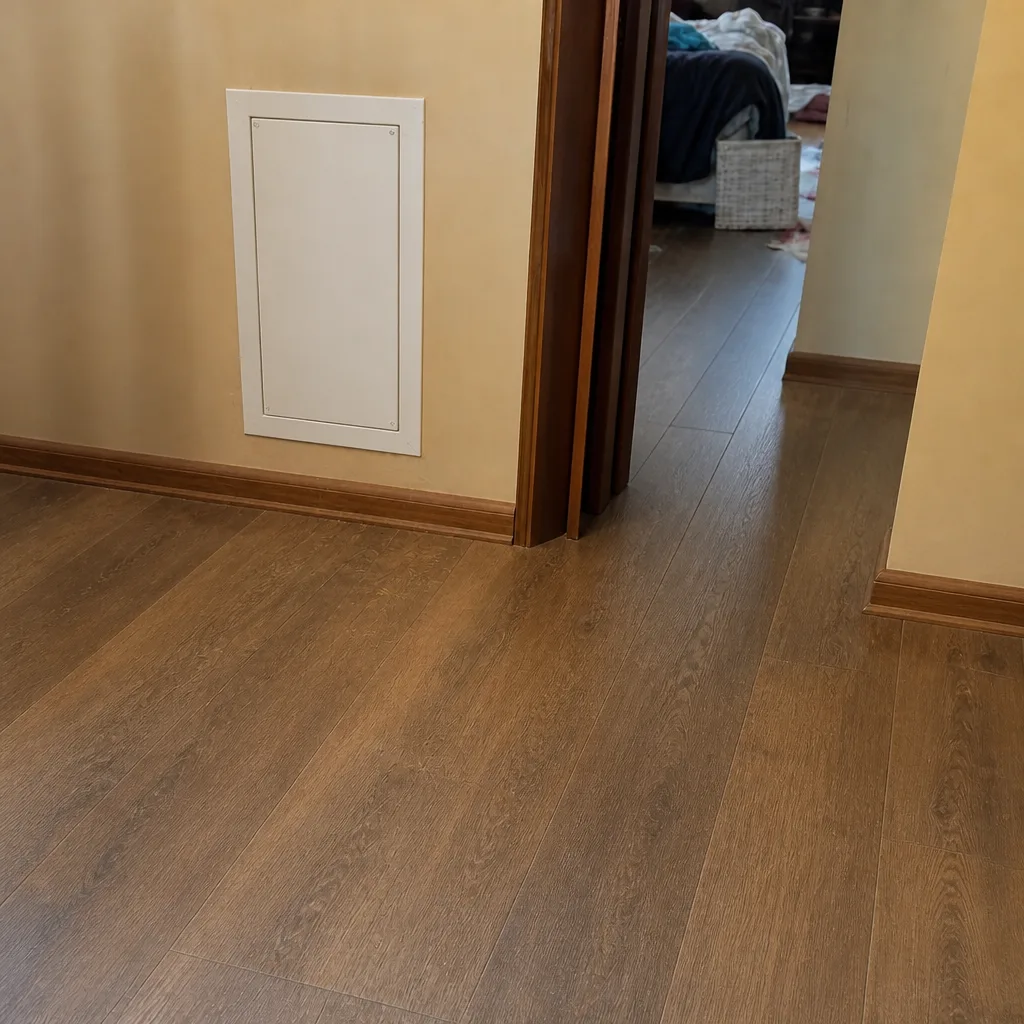
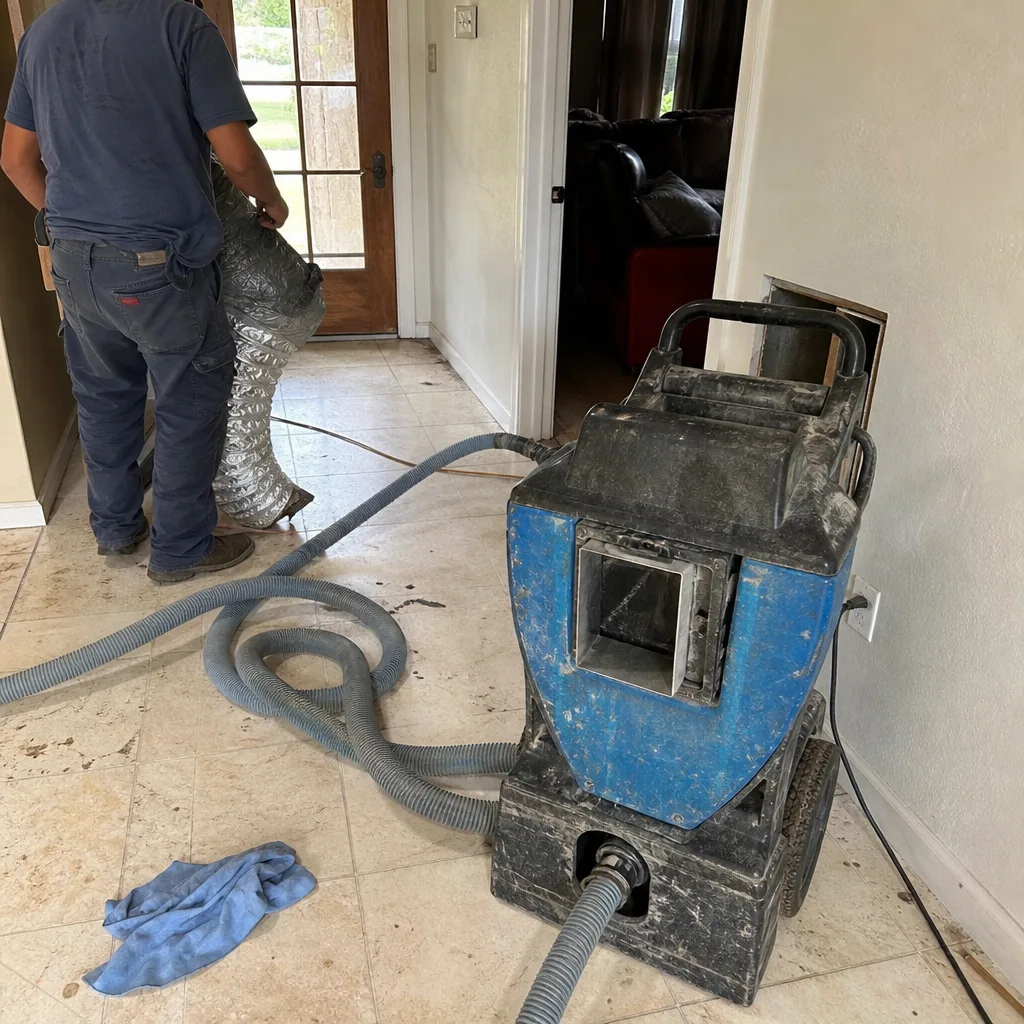
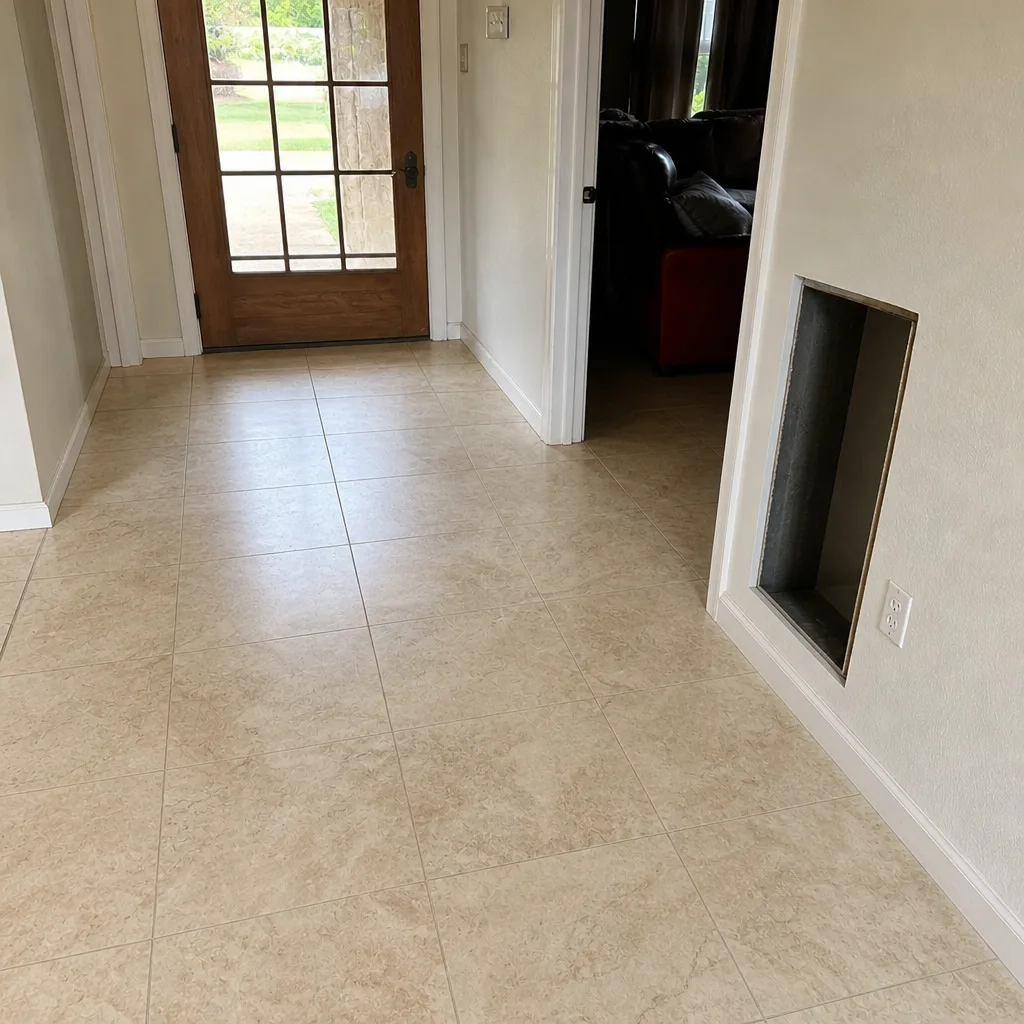
Whole-system duct and dryer vent check with before-and-after photos - you see exactly what came out of your vents
That "$99 whole-house special" is a bait ad - the real number appears once they are in your hallway, or the "clean" is a shop-vac at the register. We photograph the inside of your ducts before and after instead.
DIY vs Professional Air Duct Cleaning: The Pleasant Grove Homeowner’s Decision Guide
The portable duct cleaning kits sold at home improvement stores are legitimate tools. They work well. They’re just sized for a job that’s about eighteen inches deep. That’s the first foot and a half behind a register grille, and if that’s where your problem lives, a kit and an afternoon can genuinely help. The trouble is that most of the debris in a Pleasant Grove home isn’t sitting behind a grille. It’s in the trunk lines and at the air handler, and no consumer-grade tool can reach it or move it. This guide explains why, shows you what’s worth doing yourself, and draws an honest line around the rest, so you spend your effort where it actually shows up in the air you breathe.
Quick Answer
DIY air duct cleaning is effective for register grilles, return air grilles, filter changes, and visual inspection, but it cannot clean trunk lines or the air handler because consumer tools can’t generate the negative pressure needed to dislodge and capture debris from a full duct system. Professional cleaning is the right call when you see visible buildup past the register, notice musty odors, or have a recent HVAC service finding or a home purchase on the record. The honest split is this: do the register-level maintenance yourself, and call a professional for source removal in the system itself.
Styles & brands we work with
- Whole-home duct cleaning
- Dryer vent cleaning
- Camera inspection
- Sanitizing & deodorizing
Table of Contents
- Why Air Duct Cleaning Is an Airflow Problem, Not a Scrubbing Problem
- PSI and CFM: The Numbers That Actually Matter
- What You Can Genuinely Do Yourself in Pleasant Grove
- When DIY Attempts Make the Problem Worse
- The Cost-Benefit Math of Doing It Yourself
- How to Combine DIY and Professional Cleaning
- Pleasant Grove Climate, Dust, and What Your Ducts Collect
- Common Mistakes to Avoid
- When to Call a Professional
- Frequently Asked Questions
Why Air Duct Cleaning Is an Airflow Problem, Not a Scrubbing Problem
Duct cleaning works by source removal. That’s the industry term for taking the debris out of the system and putting it in a bag, a HEPA filter, or a containment unit. Not agitating it. Not pushing it around. Extracting it.
To extract debris from a sealed duct, you need negative pressure inside the ductwork. That means the pressure inside the duct is lower than the pressure in the room, so anything loose gets pulled toward your collection point instead of floating into the living space. That’s the entire principle behind professional duct cleaning. A brush or air whip loosens debris from the duct wall, and a negative-pressure source downstream captures it before it has a chance to escape. Both parts have to work at the same time or you’re just moving dust.
A shop vac creates negative pressure too, but only in a very small, uncontrolled area. Once you insert the hose into a register boot, the seal is poor, the reach is limited, and the airflow loss through a long flexible hose is significant. You’re removing some surface dust in the first section of duct. You aren’t creating the pressure differential that pulls debris off the walls of the trunk line thirty or forty feet away.
Professional systems handle this differently. air duct cleaning equipment like the Rotobrush rotary brush platform uses a rotating brush head paired with a simultaneous vacuum return in the same hose, so loosened debris is captured as it’s dislodged. Abatement Technologies negative-air machines create the pressure differential across a larger section of the system, holding the whole duct under negative pressure while work happens inside. That’s the same equipment specified in commercial duct cleaning and remediation work. Applying it to a residence is the whole point of hiring a professional.
In our experience, the difference between a kit-cleaned duct and a professionally cleaned duct is most obvious in the trunk lines and at the air handler. That’s where a residential system collects the bulk of its debris because that’s where air velocity drops, and slow airflow lets particles settle.
PSI and CFM: The Numbers That Actually Matter
Homeowners researching duct cleaning often ask about PSI, but PSI isn’t the right metric for this work. PSI measures static pressure in a closed system. Duct cleaning operates in an open, moving-air system, so the meaningful numbers are airflow (CFM, cubic feet per minute) and static pressure measured as inches of water column, not PSI.
That distinction matters because it tells you what to look for when you’re comparing quotes. A professional duct cleaning job depends on three things:
- Airflow volume (CFM): A dedicated duct cleaning vacuum moves a volume of air far beyond a shop vac’s capacity. This airflow is what moves loosened debris from the far end of the system to the collection point.
- Static pressure differential: The pressure inside the duct has to stay below the pressure in the room anywhere work is happening, which is why negative-air machines are used in commercial and remediation settings. If that differential collapses, debris escapes into the room.
- Agitation matched to the duct: A rotary brush is aggressive and effective on rigid metal duct. On flex duct, the same brush can shred the inner liner if the operator isn’t careful. This is why professional technicians adjust method, not just power.
When a Pleasant Grove Air Duct Cleaning technician inspects a system, we’re checking which ducts are rigid, which are flex, where the air handler sits, and where the return plenum is. That assessment determines how the cleaning is done. It’s also the part of the job a homeowner can’t do with a kit, because it requires knowing what the equipment is capable of on each duct type.
The short version: PSI is a distraction. What separates a real duct cleaning from a DIY attempt is whether the system can be held under negative pressure while the debris is dislodged, and that requires equipment sized for the job.
What You Can Genuinely Do Yourself in Pleasant Grove
Plenty. Register-level maintenance is real maintenance, and it’s the part of the work that fits a homeowner’s time and tools. Here’s what actually helps:
- Clean register grilles and return air grilles. Remove them, wash them in a sink or outside with a hose, dry them fully, and reinstall. Do this twice a year, more often if you have shedding pets.
- Inspect the register boot by hand. Reach into the first section of duct as far as your arm goes. If you can feel dust coating the interior walls of the boot, the register cleaning is overdue. If you can feel the smooth inside of the duct past the boot, you’re in decent shape.
- Use your phone camera for a visual check. Turn on the flashlight and record a video looking into the duct as far as you can see. This gives you a baseline. If the video shows visible buildup past the register, that’s a signal to call.
- Change the filter on a real schedule. Filter maintenance is the single highest-impact thing a homeowner does for air quality. A pleated filter that’s loaded with dust restricts airflow, which stresses the blower and reduces the effectiveness of any cleaning. Check it monthly during heavy pollen season in Pleasant Grove.
- Keep the return grilles clear. No furniture, rugs, or boxes in front of the returns. Blocked returns starve the system and lower the pressure differential throughout.
That’s the work that pays off. It costs almost nothing, takes an afternoon twice a year, and it genuinely reduces how fast the system loads up. What it doesn’t do is clean the trunk lines, the plenum, or the air handler. Those are the areas that stay out of reach no matter how careful you are at the register level.
When DIY Attempts Make the Problem Worse
We’ve been asked to fix the aftermath of a DIY attempt more than once, and the ways it goes wrong are predictable. The core mechanism is straightforward: if you agitate debris without capturing it, you move it into the air you’re breathing.
- Dislodging without capture. Running a shop vac hose into a register boot while the HVAC system is off sounds safe, but any debris you loosen past the hose’s reach just sits in the duct, and the system fan lifts it the next time it runs. You’ve moved dust from the duct wall to the air.
- Running the system during the cleaning. A homeowner cleaning a register while the blower is running has just circulated every particle they loosened. The professional approach is to isolate, run negative pressure, and clean before restoring airflow.
- Disrupting flex duct connections. The inner liner of a flex duct is a thin, sealed plastic membrane. A brush, a hose, or a rigid tool pushed into the duct can tear it or knock loose the tape at a joint. A torn inner liner introduces unfiltered attic air into the supply side permanently, which is worse than dirty ducts.
- Introducing moisture. Any wet cleaning method without a drying plan leaves the duct damp, and a damp duct is a breeding ground for microbial growth. Liquid cleaning needs professional drying and sanitizing, not a damp sponge.
- Sealing without diagnosing. Homeowners sometimes tape duct joints to fix a leak, but they don’t know which joints in the trunk system are actually leaking or whether sealing a specific joint will change pressure balance. Improper sealing can starve or pressurize rooms.
The common thread is this: the DIY kit removes what you can reach, but it can’t manage the airflow. That’s why we tell Pleasant Grove homeowners to stop at the register. Clean what you can see, and let your phone camera do the inspection of what you can’t.
The Cost-Benefit Math of Doing It Yourself
The honest answer is that DIY register maintenance saves real money, and calling a professional for the rest is worth the cost because the alternative is spending your weekend trying to solve a problem that equipment can’t half-solve.
Here’s the math. A duct cleaning kit and a shop vac cost roughly what a single professional cleaning costs, or less if you already own the vac. That kit will handle register cleaning for years. It won’t clean the trunk lines. If you invest in the kit and skip the professional cleaning until you have a visible problem, you’ve saved the cost of professional cleaning during the years when you didn’t need it. That’s a legitimate strategy, especially for a newer home in Pleasant Grove with well-sealed ductwork.
The cost of DIY-only maintenance shows up when the delay causes a bigger problem. A system that routinely runs with a restricted filter, dirty return, or dusty trunk lines works harder. The blower motor runs longer, the coils get dirtier, and the eventual HVAC service call costs more than the cleaning would have. If you have pets, a recent renovation with visible drywall dust, or a home that came to you with unknown maintenance history, the cost of waiting is higher than it looks.
There’s also a timeline cost. Every month you treat a lingering musty smell as a filter problem is a month you aren’t finding out whether the fix is cleaning, sealing, or something in the air handler. We inspect before we clean, so the diagnosis and the cleaning happen together, and you know what you’re dealing with before any work starts. A DIY attempt doesn’t have that feedback loop.
How to Combine DIY and Professional Cleaning
This is the approach that actually extends the interval between cleanings and reduces the scope, and therefore the cost, of each professional visit.
- Start with a baseline professional cleaning if your home is new to you or your ducts have never been cleaned. This gives you a clean system and a record of what the ducts looked like, which is useful when comparing later.
- Set a register-level maintenance rhythm. Clean grilles and check the filter monthly. Wash register covers every six months. Use your phone camera to peek into the trunk line every six months. This is the DIY work that pays off.
- Change the filter like you mean it. Filter changes every 1 to 3 months depending on filter type, pets, and season. A loaded filter is the single biggest driver of dirty return air in Pleasant Grove homes.
- Watch for signals, not a calendar. If you see visible debris in the phone video, hear a musty smell at the return, notice a sudden increase in dust on your registers, or have an HVAC service finding that mentions the ductwork, that’s your call. Otherwise, waiting is reasonable.
- Ask for inspection with every cleaning. A professional should tell you what they found before they start cleaning. That gives you the information to decide when the next visit is appropriate instead of following a fixed schedule.
Duct cleaning isn’t a fixed-interval service. The right interval depends on your filter discipline, your pets, whether you’ve done renovation, and how well your ductwork is sealed. Combining register-level upkeep with professional source removal gives you a shorter and cheaper professional visit when the time comes, because the tech isn’t re-cleaning what you’ve already handled.
We also think of it this way: HVAC cleaning is what makes a duct cleaning hold. If the air handler and coils are coated, the system is going to redistribute dust every time it runs. A professional cleaning that includes the air handler is worth more than a duct-only cleaning, because it addresses the source.
Pleasant Grove Climate, Dust, and What Your Ducts Collect
Pleasant Grove sits in a warm, humid part of Texas, and that shapes what ends up in your ducts. Winters here are mild, so the heating season is short, which means less dry, dust-prone air in the home during the cold months. The summer is long and the AC runs hard for months. That has two consequences for your ductwork.
The first is moisture. A system that runs continuously in a warm, humid climate has a lot of condensation opportunity at the air handler and evaporator coil. A drain pan that isn’t draining well, or an air handler that never dries out, supports microbial growth that then gets circulated. This is why sanitizing matters in this part of Texas, and why we recommend it after any duct cleaning where the inspection finds a moisture issue. It’s also why a purely mechanical dust removal without considering moisture can leave a problem in place.
The second is that the long cooling season means the system pulls a large volume of air through the filter over the year. Pollen, grass dust, and typical Texas yard dust load up the filter faster than you’d expect. Homeowners who check their filter monthly during the summer find out quickly that the interval is shorter here than the filter packaging suggests. Our technicians have up to 8 years of experience with Texas systems and know how to look for the dust patterns that point to a specific problem rather than just a generic cleaning.
We also use Guardsman and Aprilaire products where appropriate because air quality is about more than cleaning what’s already in the ducts. Whole-home filtration and humidity control are part of the same system, and a cleaning is a good time to look at whether your filtration is sized for how much air your system actually moves.
Common Mistakes to Avoid
- Cleaning while the HVAC system is running. If the blower is on, loosened debris goes straight into your living space. Isolate the system first, then clean.
- Using a shop vac past the register boot. The hose can’t create negative pressure in a trunk line, and forcing it further can tear the inner liner of a flex duct. Stop at the boot.
- Ignoring a musty smell as a filter problem. A musty odor at a return in Pleasant Grove is often a moisture signal at the air handler or coil, not a filter issue. Changing the filter won’t fix it.
- Taping over every joint you can find. Some joints in a duct system are designed to allow movement. Sealing everything can upset the pressure balance and starve rooms. Duct sealing is a diagnostic job.
- Skipping the air handler and coil. A duct-only cleaning leaves the source in place. If you’re going to clean the ducts, clean what’s feeding them.
- Setting a calendar instead of watching the system. Duct cleaning on a fixed schedule without inspection is a business plan, not efficient for a homeowner. Use the phone camera and the filter as your signal.
- Believing a quote that’s too good to be true. Real duct cleaning requires real equipment. A quote that only covers a register-level cleaning is not the same job as a full-system cleaning. Ask for scope in writing before booking.
The other thing worth flagging: dryer vent cleaning is a specific, separate service that many homeowners don’t think about when they schedule duct cleaning. It addresses a leading cause of residential house fires, and it’s worth scheduling alongside duct work so one visit covers both. Ask for it in writing, and make sure the scope covers the full vent path, not just the connection at the dryer.
When to Call a Professional
Call a professional when the inspection turns up something you can’t fix at the register. That means visible debris in the phone video past the boot, a musty smell that persists through filter changes, visible mold or moisture staining at the air handler, a recent HVAC service visit that flagged dirty coils or restricted airflow, or a new-to-you home with unknown duct history. It also means calling when you’re about to attempt something that requires more than a shop vac and a screwdriver.
Pleasant Grove Air Duct Cleaning offers free estimates in Pleasant Grove. Call (855) 658-5117. We answer 24/7. Fast dispatch from 7am to 7pm, Sunday through Friday. We inspect before we clean, so you know what we found and what the scope is before any work starts, and the price is set per job by the written estimate.
Frequently Asked Questions
The cost depends on system size, duct type, accessibility, and whether the air handler is included, so the written estimate sets the final price. A professional full-system cleaning in Pleasant Grove typically runs more than a register-level DIY kit because it covers the trunk lines and the air handler, which a kit cannot reach. Call (855) 658-5117 for an exact quote. Estimates are free, and we inspect before we quote.
No. A shop vac can clean the first section of duct within reach of the hose, but it cannot create the negative pressure required to pull debris from a trunk line thirty feet away. It can also tear the inner liner of flex duct if you push it too far. Use it for the register grilles and the register boot, and let a professional handle the rest of the system.
Because they often scope a different job. A low quote frequently covers only the register openings or a surface-level pass with a shop-vac-style tool, not full source removal with negative pressure, rotary agitation, and air handler cleaning. Ask what equipment is used and whether the trunk lines and air handler are included. The quote isn’t the same service just because the words are the same. Call (855) 658-5117 for a clear, itemized estimate.
Ask for before-and-after photos of your own ducts and the air handler, not stock images. A professional cleaning leaves a visible difference in the photographs of the trunk lines and the plenum. Ask what was found during inspection and what was cleaned. If a company can’t show you the difference, the work is harder to verify. Call us and we’ll walk you through what we found before we start.
There’s no fixed interval that applies to every home. Filter discipline, pets, renovation, moisture, and how well the ductwork is sealed all change the picture. A well-maintained system in a newer Pleasant Grove home may go years between cleanings. A home with pets, a recent renovation, or a history of musty odor may need it sooner. Watch the system: check registers, watch the filter, use your phone camera on the trunk line. Call (855) 658-5117 when the signs show up, and we’ll help you judge.
Duct cleaning can help when the source of the dust or allergen load is in the duct system, but it won’t fix everything. Filtration, humidity control, and the condition of the air handler all play a role. A duct cleaning is a starting point, not a guaranteed outcome. We can look at the whole system during the visit and tell you what’s likely driving the issue. Call (855) 658-5117 for a free estimate.
See the difference
 Before
 After
 Before
 After
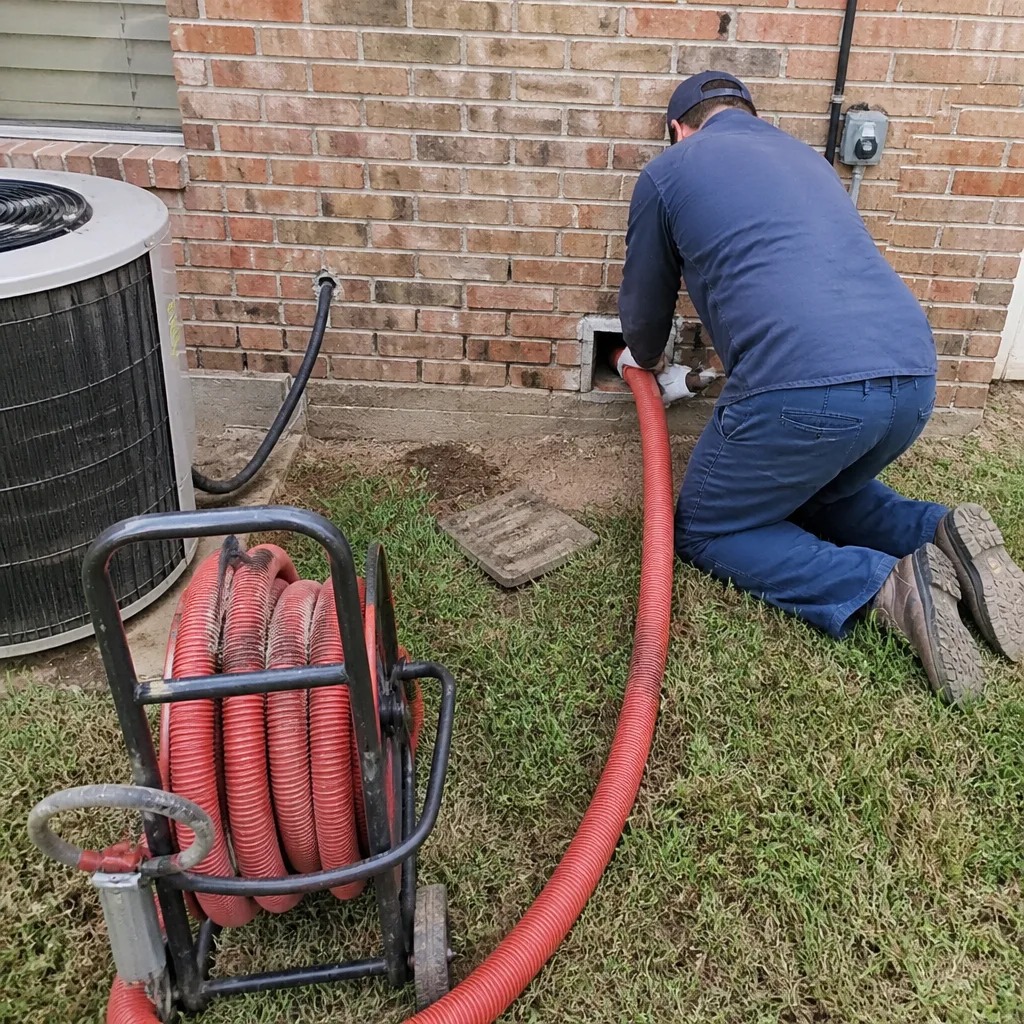 Before
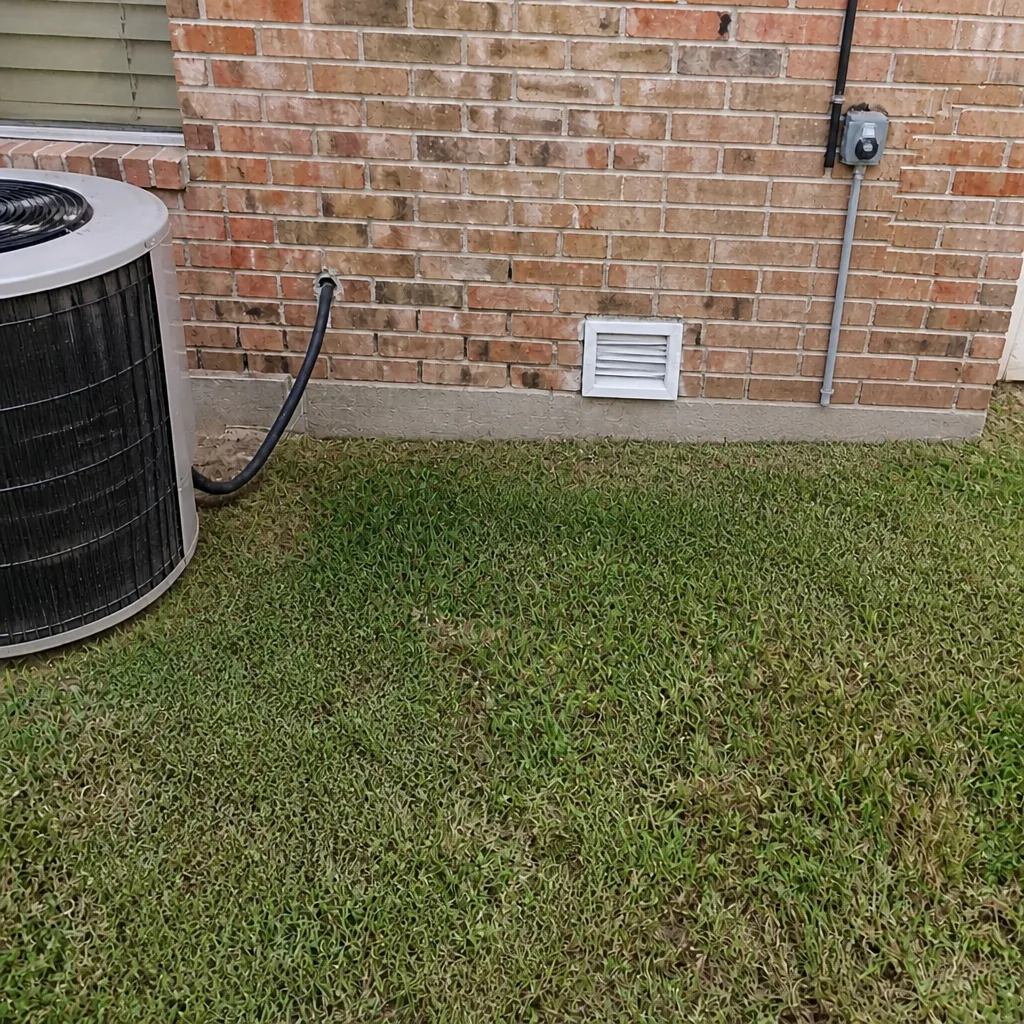 After
The Bottom Line
DIY duct cleaning is worth doing at the register level, and it genuinely helps when you do it consistently. It cannot clean the trunk lines or the air handler because a consumer tool doesn’t create the negative pressure that source removal requires. The working answer is the combination: clean your grilles, change your filter on a real schedule, and use your phone to watch what’s happening deeper in the system. Call a professional in Pleasant Grove when the signs show up. Our technicians have up to 8 years of experience with full-system cleaning using professional-grade equipment, and we inspect before we clean so the scope and the price are set before work starts. That’s the honest split, and it’s the one that keeps your system working.
What Happens When You Call
Start with a free estimate. We inspect the system, find the source of the problem, and tell you what we found before we start. The price is set per job by the written estimate, and we show you what we find before we clean. Call (855) 658-5117. We answer 24/7. Fast dispatch from 7am to 7pm, Sunday through Friday. Whether you have a visible dust problem, a musty smell at the return, or a recent HVAC service finding that raised a question, we can help you decide what actually needs to happen. Better air isn’t a feeling, it’s a result you can measure.
Written by the team at Pleasant Grove Air Duct Cleaning.