
Last updated November 23, 2026
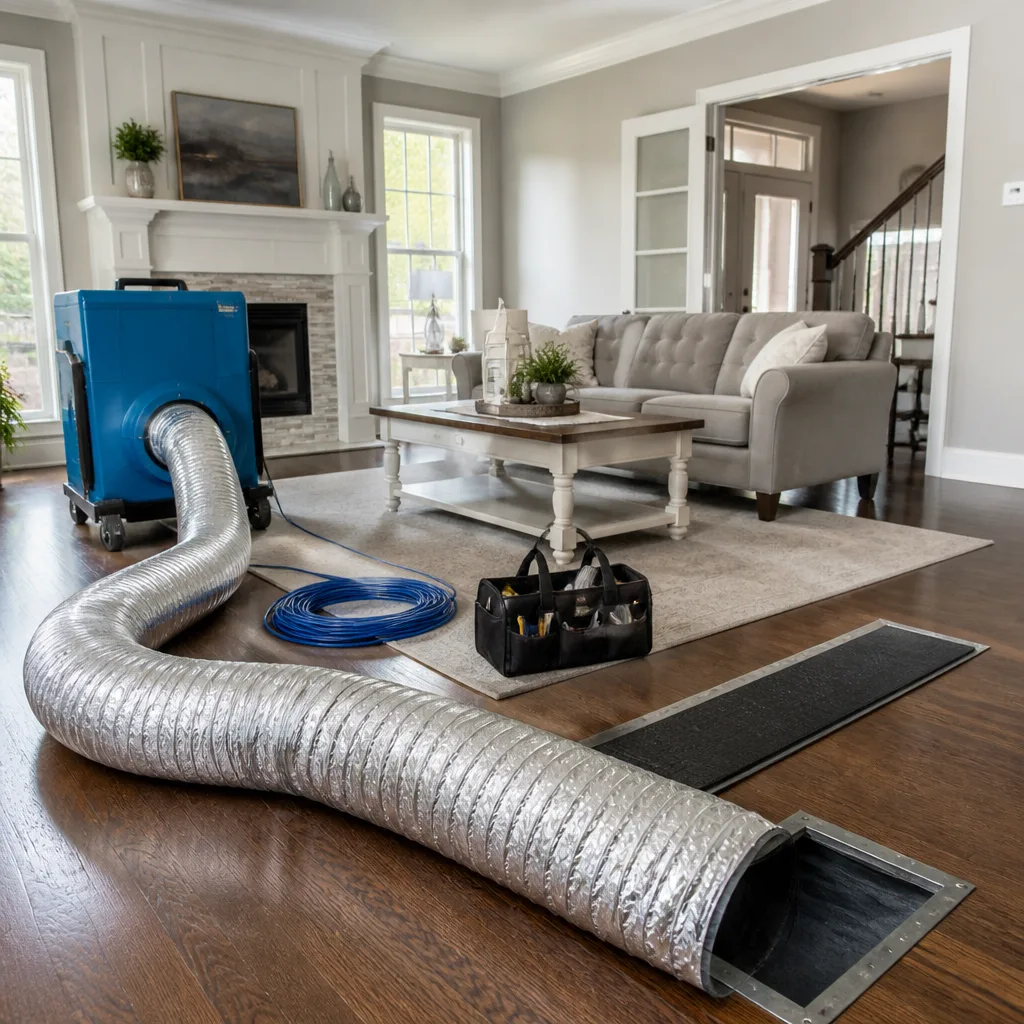 Whole-home duct cleaning
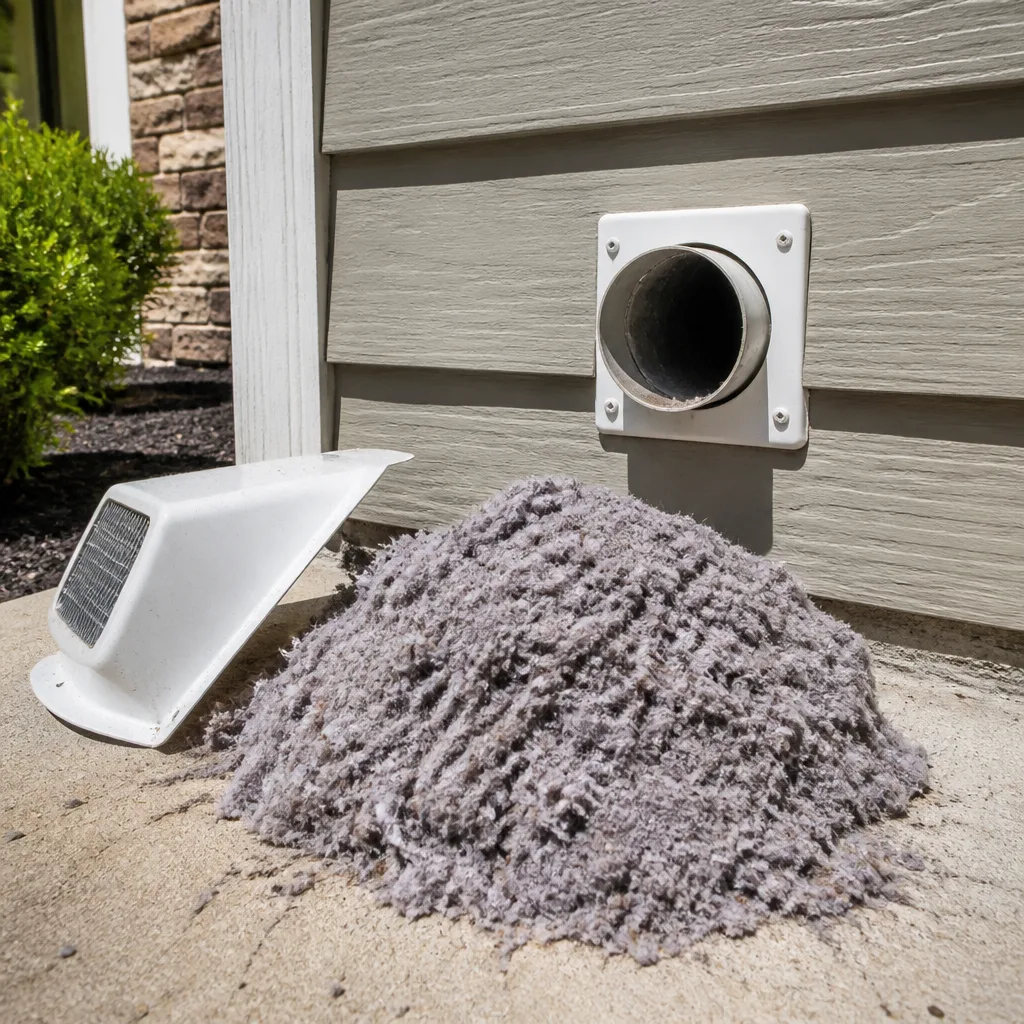 Dryer vent cleaning
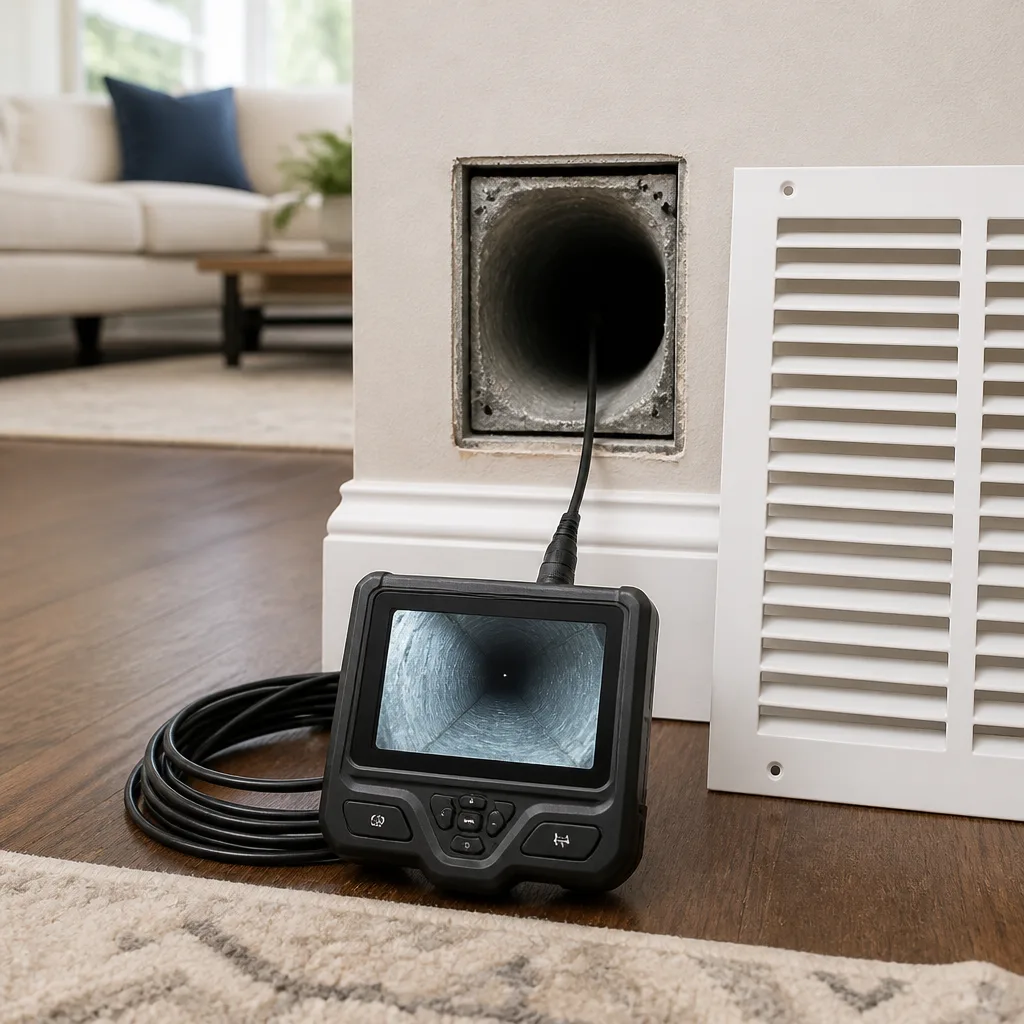 Camera inspection
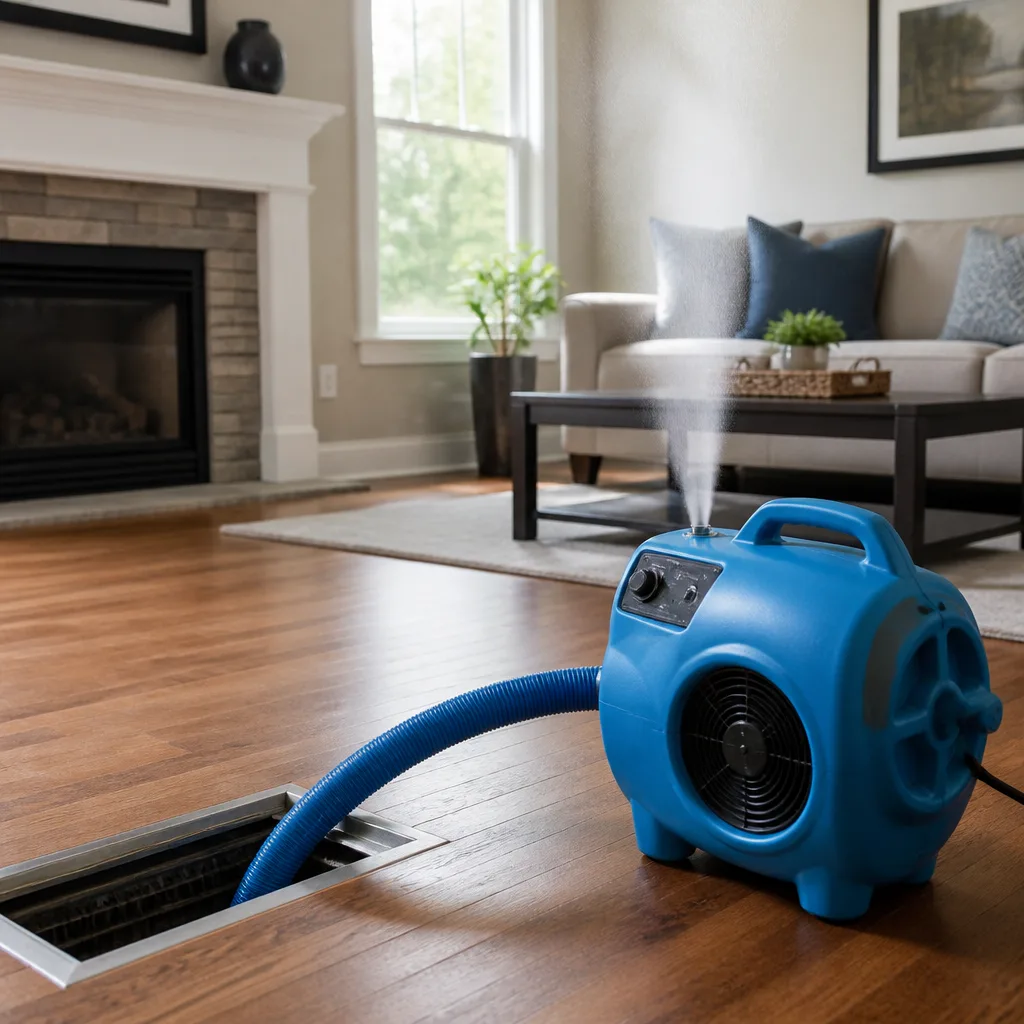 Sanitizing & deodorizing
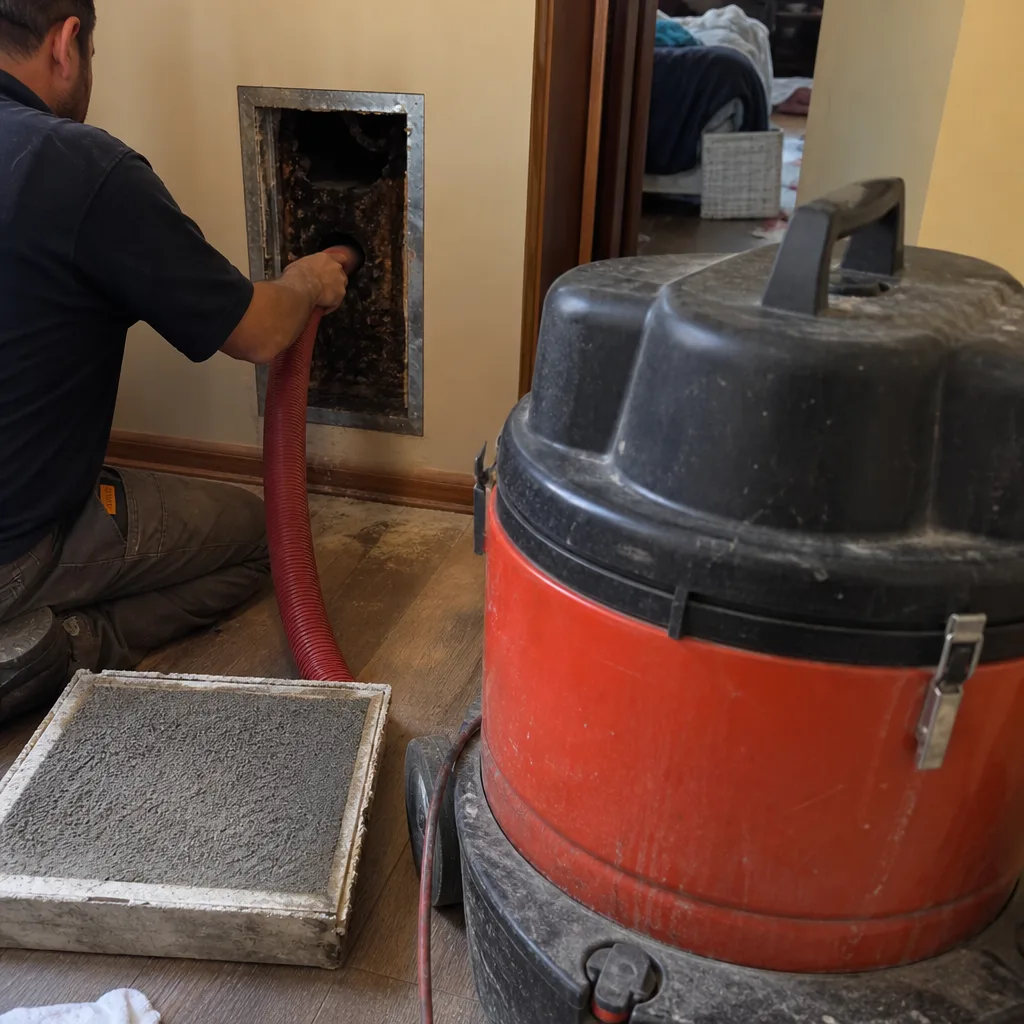
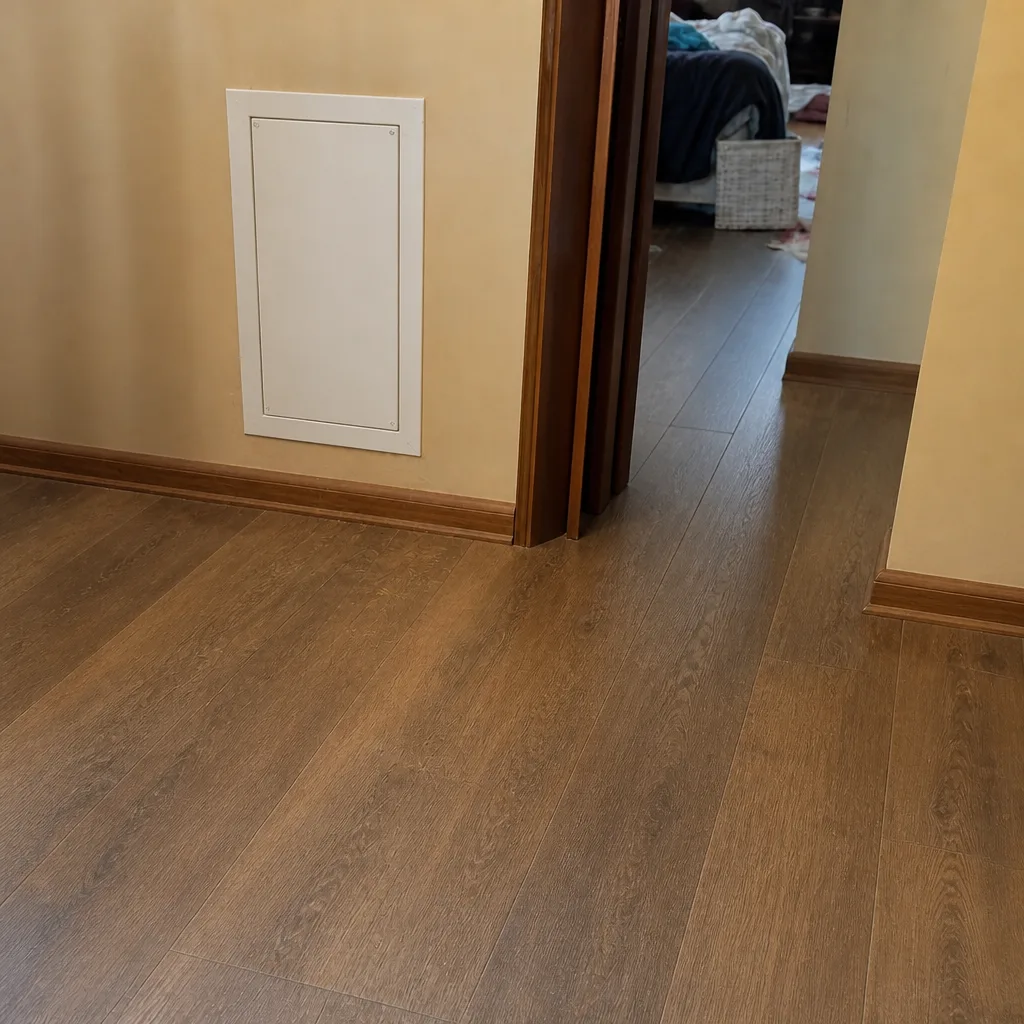
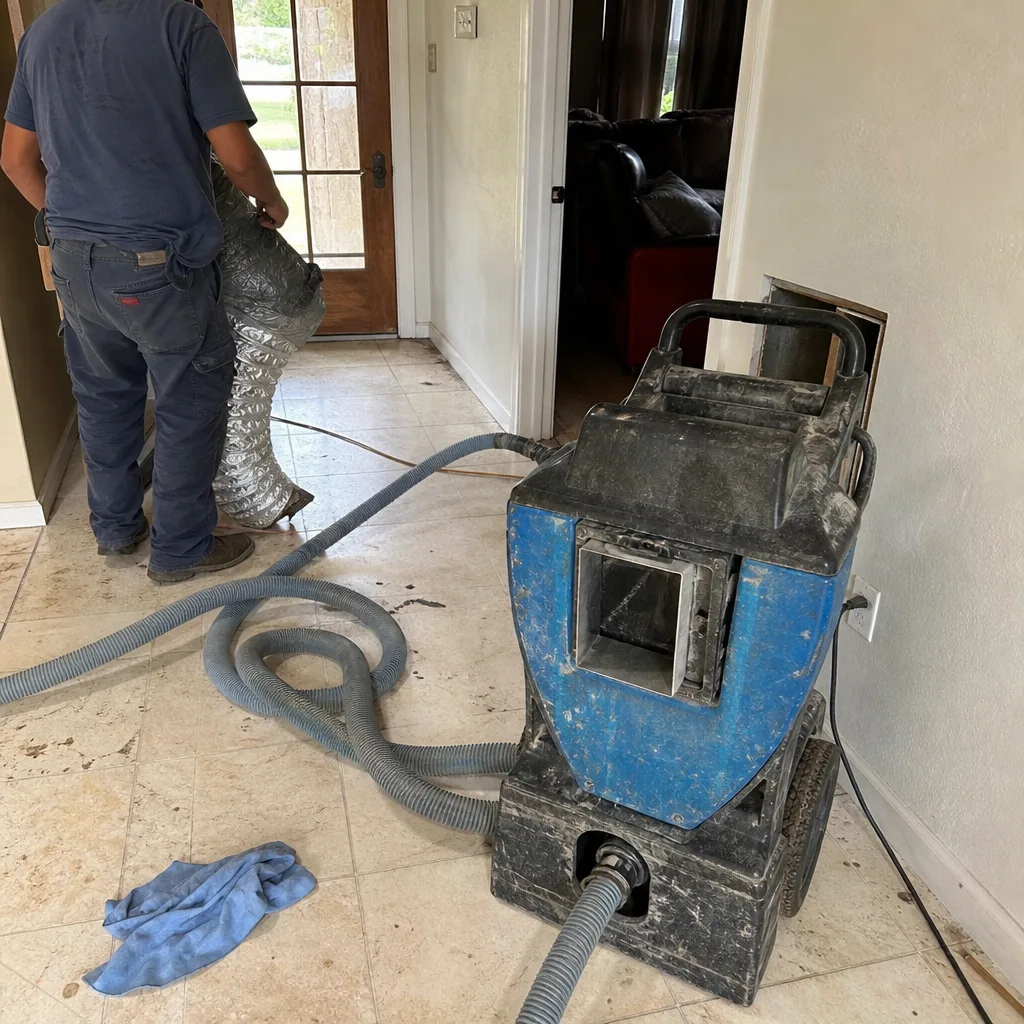
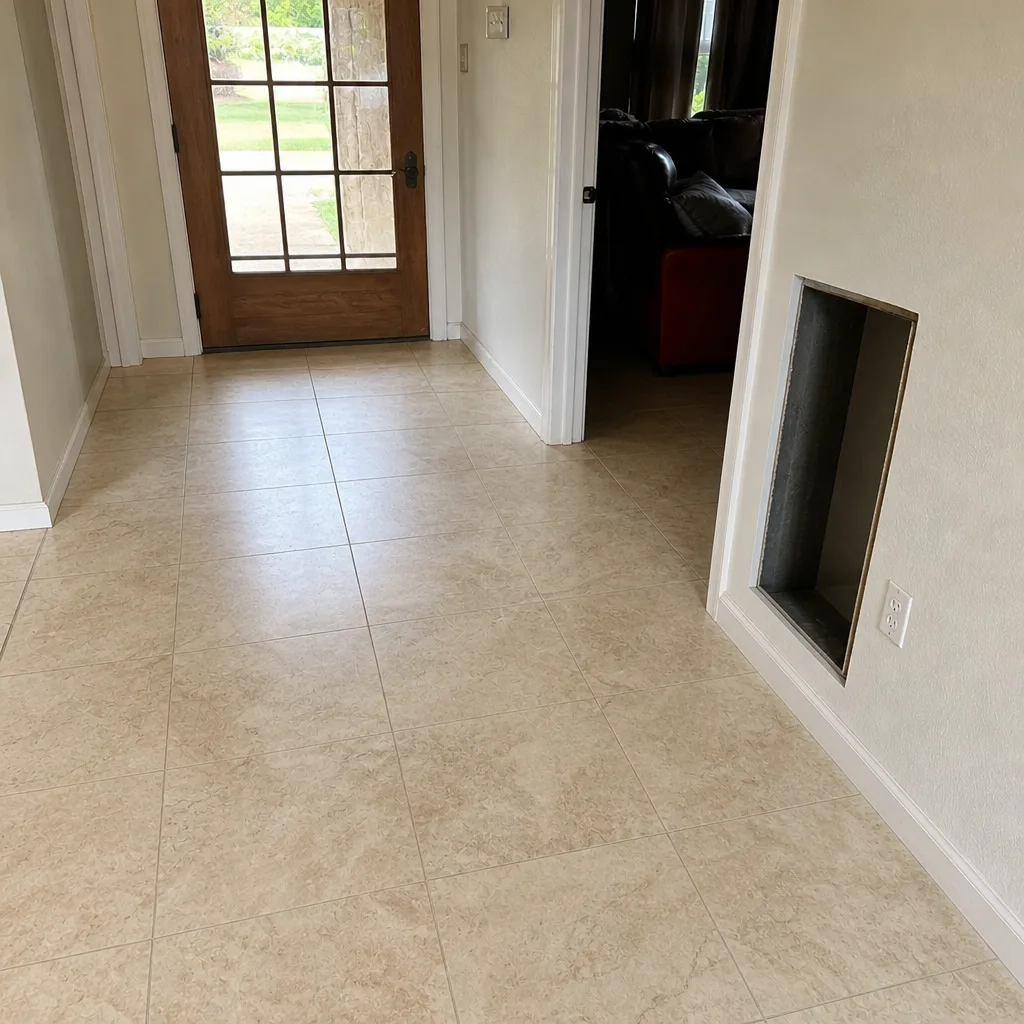
Whole-system duct and dryer vent check with before-and-after photos - you see exactly what came out of your vents
That "$99 whole-house special" is a bait ad - the real number appears once they are in your hallway, or the "clean" is a shop-vac at the register. We photograph the inside of your ducts before and after instead.
Air Duct Cleaning Cost Breakdown: The Pleasant Grove Homeowner’s Reference for 2026
Two homes on the same street with identical square footage can get duct cleaning quotes that differ by several hundred dollars, and neither contractor is necessarily wrong. One home may have two dozen flex runs packed into a low-clearance attic where a technician can barely turn around. The other might have a tidy set of rigid metal trunks feeding a dozen registers with room to work. Same ZIP, very different job. That gap is the single biggest thing people miss when they compare quotes in Pleasant Grove, and it’s why comparing totals alone tells you almost nothing. This reference walks through the four variables that actually move the number in 2026, so you can read any quote and know where the money is going.
Quick Answer
Air duct cleaning in Pleasant Grove typically runs in the range of roughly $350 to $700 for a whole-home system in average condition, and $600 to $1,100 or more when the air handler, blower wheel, and coil are included or the ductwork is hard to reach. The final number depends less on square footage than on four things: how large the system is, what the ducts are made of, how difficult they are to access, and whether the air handler is part of the job. A written, itemized scope of work sets the exact price before anyone starts.
Styles & brands we work with
- Whole-home duct cleaning
- Dryer vent cleaning
- Camera inspection
- Sanitizing & deodorizing
Table of Contents
- Per-Vent Versus Whole-System Pricing: Which Tells You More?
- The Four Variables That Drive Every Pleasant Grove Quote
- Why Dallas-Area Attic Systems Cost What They Do
- What “Air Handler Included” Actually Means in Dollars
- Legitimate Add-Ons: Sanitizing, Duct Sealing, and Dryer Vents
- Using a Written Scope of Work to Hold a Quote
- How to Choose a Duct Cleaner in Pleasant Grove
- Frequently Asked Questions
Per-Vent Versus Whole-System Pricing: Which Tells You More?
The single most useful skill in reading a duct cleaning quote is knowing which pricing model you’re looking at. The two common approaches behave very differently when applied to real Pleasant Grove houses.
Per-vent pricing charges a set figure for every register fed by the system. It looks simple and easy to compare, but it has a structural weakness: the vent count tells you nothing about the condition of the trunk lines, the return side, or the plenum where the system meets the air handler. A quote that only covers the branch runs and the registers can leave most of the contamination untouched. In a home where the supply trunks run through a hot attic, the trunk lines often collect the most debris because that’s where the air slows down and drops what it’s carrying.
Whole-system pricing is quoted for the complete air path: the returns, the trunks, the branch runs, the registers, and the plenum. It’s calculated from the total layout of your system rather than a simple multiply-by-vents formula. For the typical Pleasant Grove configuration, which usually means a slab foundation and ductwork routed through the attic, whole-system quotes tend to be more accurate for one simple reason: they account for the parts of the system that don’t have a visible vent.
Here’s the practical test. Ask any contractor which model they’re quoting. If it’s per-vent, ask whether the trunk lines, returns, and plenum are included in that per-vent figure or priced separately. If they’re included, fine. If they’re not, you’re looking at a partial job with a low headline number.
- Per-vent: easy to compare, often incomplete, can hide trunk and return work.
- Whole-system: covers the full air path, harder to line up side by side without a scope, usually more accurate for attic-routed systems.
- Per-hour: rare in residential work, and the least predictable model for a homeowner.
We quote whole-system because it forces the scope onto paper where you can read it. If you’re comparing us to a per-vent quote, use the scope question above and you’ll quickly see whether the two numbers are measuring the same job. You can see how we structure the work on our air duct cleaning page.
The Four Variables That Drive Every Pleasant Grove Quote
Almost every legitimate variation in price comes down to four things. Understand these and you can predict, roughly, where your own home will land before you call.
- System size. A single-story home with one air handler and a dozen branch runs is a smaller job than a two-story with two systems and thirty runs. Two systems means two air handlers, two plenums, and roughly double the time. Size is the anchor all other costs adjust from.
- Duct material type. Flex duct is fast to clean but often installed with tight bends and sagging sections that trap debris. Rigid metal cleans efficiently and holds up to rotary brushing. Ductboard, common in some older construction, is more delicate and needs gentler tools so the interior lining isn’t damaged. Each material changes the technique and the time.
- Access difficulty. This is the variable homeowners underestimate most. A low-clearance attic where the technician is crawling on joists between a hot roof deck and blown insulation takes far longer than a system with accessible trunks. Access affects labor hours more than any other single factor.
- Whether the air handler is included. Cleaning the blower wheel, coil, and drain pan is real labor and a separate part of the system. Quotes that exclude it aren’t wrong, they’re just incomplete. We cover why it matters in its own section below.
If you want a rough self-assessment before calling: count your air handlers, note whether you can see the trunk lines (often rigid metal) versus whether everything is flex snaking through the attic, and check how much room there is up there. That combination tells you more about your quote than the square footage of your house. We’ve found this is the clearest way to explain cost to a Pleasant Grove homeowner, because it points to the parts of the job that actually take time.
Why Dallas-Area Attic Systems Cost What They Do
Most homes in this part of the Dallas area are built on slabs with the air handler and ductwork in the attic. That single design fact shapes almost everything about duct cleaning cost here, and it’s worth understanding in detail.
An attic in North Texas gets brutally hot for much of the year. That’s why ductwork there is sealed and insulated, and why debris buildup inside those ducts matters more than in a conditioned crawlspace. When a duct system sits in extreme heat, the insulation and the flexible nature of the duct runs both work against air velocity. Air slows in the branch runs, and slower air drops more particulate. Over time the contamination concentrates in exactly the low-clearance spaces that are hardest to reach.
The specific cost drivers for attic systems come down to a few things:
- Clearance. A handler crawl space means the technician moves slowly and carefully. Safety, roof deck heat, and joist navigation all add time.
- Insulation type. Loose-fill blown insulation around ducts slows movement and means the technician has to work around it without disturbing the protective layer.
- Flex versus rigid. Widespread flex duct is standard in newer construction, but it sags and kinks, and each tight bend is a debris trap. Rigid metal trunk lines clean faster.
- Number of branch runs. More runs means more registers to pull, clean, and reset, plus more time on the rotary brush at each one.
The climate angle is worth stating plainly: because the attic runs so hot, ductwork in a Pleasant Grove attic lives in harsher conditions than a system in a conditioned basement elsewhere in the country. That doesn’t automatically mean you need cleaning more often, but it does mean that when contamination builds, the low-clearance access needed to remove it is the part that drives the labor line on your quote. Access, not square footage, is the number to watch.
What “Air Handler Included” Actually Means in Dollars
The air handler is the box in your attic containing the blower, the coil, and the drain pan. It’s where your air actually gets pushed through the system, and it’s the part most basic duct cleaning quotes leave out. When a quote says “air handler included,” here’s what that should mean in practice.
Cleaning the blower wheel is the big one. It’s a finned wheel that picks up dust on every fin, and a dirty blower wheel loses efficiency and can throw off balance. Cleaning it properly means accessing the housing, cleaning the fins carefully, and re-checking the assembly. The evaporator coil is next: a coil matted with dust and debris can’t transfer heat the way it’s designed to, which shows up in your energy bill and in how hard the system has to work. The drain pan sits under the coil and catches condensate, and between cleaning it and verifying the drain is clear, that’s another item of real labor.
In pricing terms, including the air handler generally adds a meaningful amount to a base duct quote, but the exact amount depends on the system. A single blower and coil is one job; two systems means two of everything. Here’s what the labor actually covers:
- Accessing and cleaning the blower wheel and housing.
- Cleaning the evaporator coil without bending fins or disturbing the refrigerant lines.
- Cleaning the drain pan and confirming the drain line flows.
- Reassembling the unit and verifying airflow before finishing.
Our experience is that a quote that includes the air handler gives you a far more honest picture of your indoor air system’s condition, because the blower wheel and coil are where a lot of the visible dust and odor actually comes from. Cleaning ducts without cleaning the blower wheel is like washing the pipes and leaving the pump dirty. Ask specifically whether the air handler is in the scope, and if it’s excluded, get a separate line-item price for adding it. Our HVAC cleaning page explains the full-system side of this.
Legitimate Add-Ons: Sanitizing, Duct Sealing, and Dryer Vents
Every add-on you’re offered should answer a specific problem. If it doesn’t, you don’t need it. Here are the three that come up most in Pleasant Grove, with honest ranges and, more importantly, the conditions that actually justify each one.
Sanitizing is a mist or fog applied after cleaning to reduce microbial buildup on duct surfaces. It’s not a substitute for cleaning; it’s an after-step for systems where moisture, odor, or a recent issue has created conditions where microbial growth is a concern. It’s typically a modest add to a full-system job, generally in the low hundreds of dollars depending on system size. If you have no odor, no moisture history, and no reason to suspect growth, you probably don’t need it. If you do, have it discussed with the cleaning, not sold as a stand-alone product.
Duct sealing is a repair, not a cleaning, and it’s the add-on we most often recommend because it addresses the root cause of air loss. Leaky duct joints in an attic system lose conditioned air to the attic and let attic air back in. Sealing those joints is what keeps cleaned ducts from re-contaminating quickly. It’s priced by the number of leaks, the accessibility, and whether mastic or another method is used, and it usually sits above the cost of cleaning for a whole-house job. You can read more about how we handle it on our Pleasant Grove Air Duct Cleaning page, since sealing and repair are core services here rather than an afterthought.
Dryer vent cleaning is a separate service with its own safety logic. Lint buildup in a dryer vent is a leading cause of residential house fires, and it’s the one add-on here that’s less about air quality and more about safety. It’s generally a smaller line item than a full duct job and is priced separately by the length and routing of the vent run. It’s covered in detail on our dryer vent cleaning page. In our work, we’ve found it’s the add-on most worth asking about even when your ducts are fine, because lint accumulates regardless of air quality.
The rule: each add-on should map to a condition someone can show you. Sanitizing for odor or moisture. Sealing for visible leaks and air loss. Dryer vent cleaning for lint and safety. If any of them show up in a quote without a reason attached, ask why.
Using a Written Scope of Work to Hold a Quote
The best defense against a mid-job price increase is a written scope agreed before work begins. A scope is just a plain written description of what will be cleaned, what tools will be used, what’s included, and what the fixed price covers. Get one, read it, and keep it. Here’s how to use it.
- Insist on itemization. The quote should list the registers, trunk lines, returns, plenum, and air handler separately, with an indication of which are included and which are excluded. A single number with no breakdown tells you nothing.
- Confirm the system count and access assumptions. If your home has two air handlers and the quote was written for one, you’ve found the gap before it becomes a bill.
- Ask what happens if access is harder than expected. A reputable contract sets its price from an inspection. If the scope says the price is fixed for the described work, that’s what you hold them to.
- Name the tools. The scope should state which equipment will be used. Contractor-grade gear like Rotobrush rotary brush systems, Nikro HVAC cleaning units, and Abatement Technologies negative-air machines isn’t a sales flourish; it tells you how the job will actually be done and defines the standard you’re paying for.
- Write down any add-ons separately. Sanitizing, sealing, and dryer vent cleaning should each have their own line and their own price. Bundling them into a single total is where mid-job surprises hide.
- Get the final number in writing. The written estimate sets the price. Nothing should be added mid-job except work you approve in advance.
This is our process: we show you what we find before we start, put the scope in writing, and one flat price for the system is agreed up front. The scope is what makes that possible.
How to Choose a Duct Cleaner in Pleasant Grove
Price is the easy thing to compare and the least useful place to start. The stronger filter is capability. A cleaner using professional-grade equipment and offering a full-system scope will almost always look more expensive up front and cost less to live with, because the work holds and the problems get addressed rather than deferred.
A few things worth checking before you book:
- Do they inspect first? A quote written without looking at your system is a guess. Insist on a walkthrough, including the attic access.
- What equipment? Ask for rotary brush systems and negative-air or HEPA-filtration units. A standard shop vac and a hose isn’t a professional duct cleaning setup.
- Is it one scope or five? Cleaning, sanitizing, sealing, dryer vents, and HVAC cleaning are related but separate skills. Choose a provider that covers all five so you’re not coordinating vendors.
- Can they handle repair? If they find leaks or disconnected runs, can they fix them, or will they hand you off to someone else? A full-system provider can diagnose and fix the compromised ductwork, not just clean around it.
- Are they licensed and insured as their state requires? Ask. Any reputable provider in Pleasant Grove should be able to confirm it.
- Will they show you the before and after? Ask for photos of your own ducts, before and after the work.
Our technicians have up to 8 years of experience, and they work with equipment from Rotobrush, Nikro, and Abatement Technologies. Those are tools we choose because they let us clean to a real standard and then verify it, which is why better air isn’t a feeling as far as we’re concerned, it’s a result you can measure. If you want to understand the full scope of what an indoor air system cleaning covers, that’s the place to start before you call.
See the difference
 Before
 After
 Before
 After
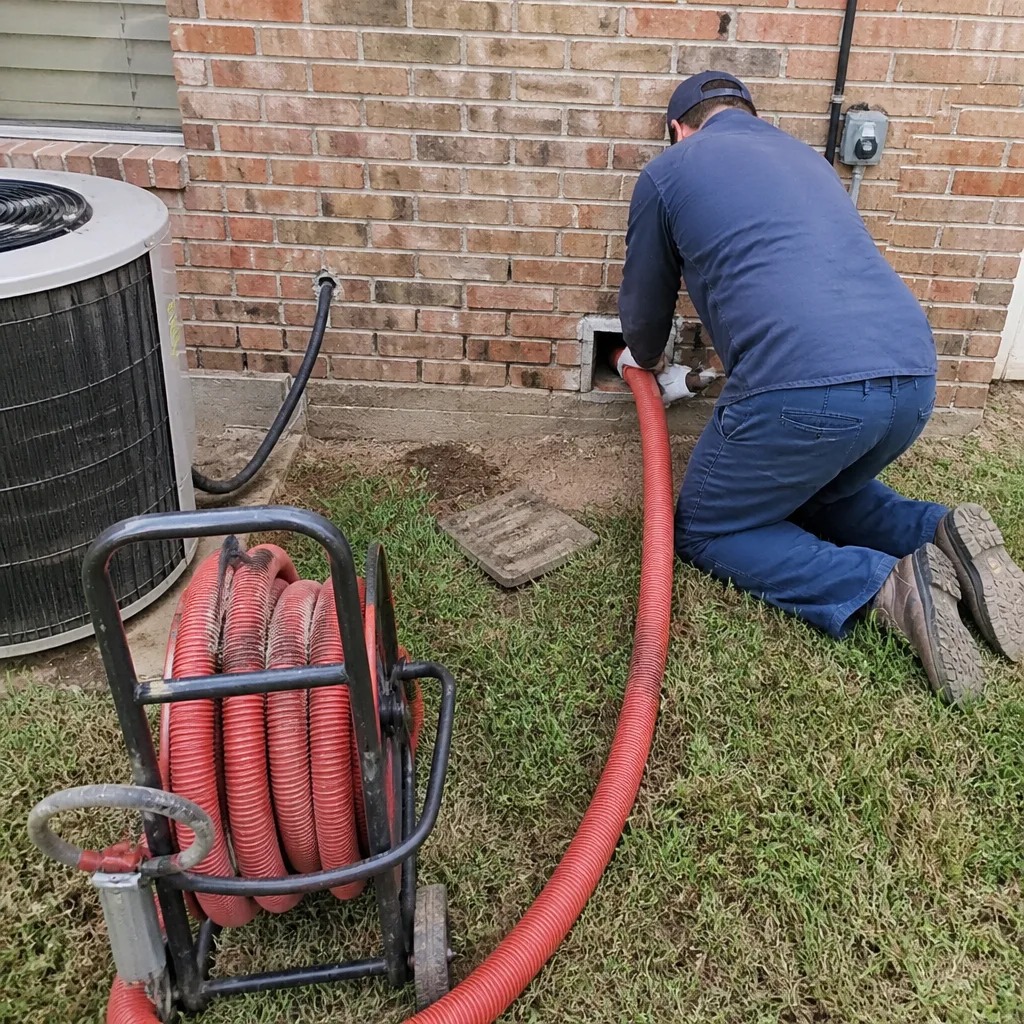 Before
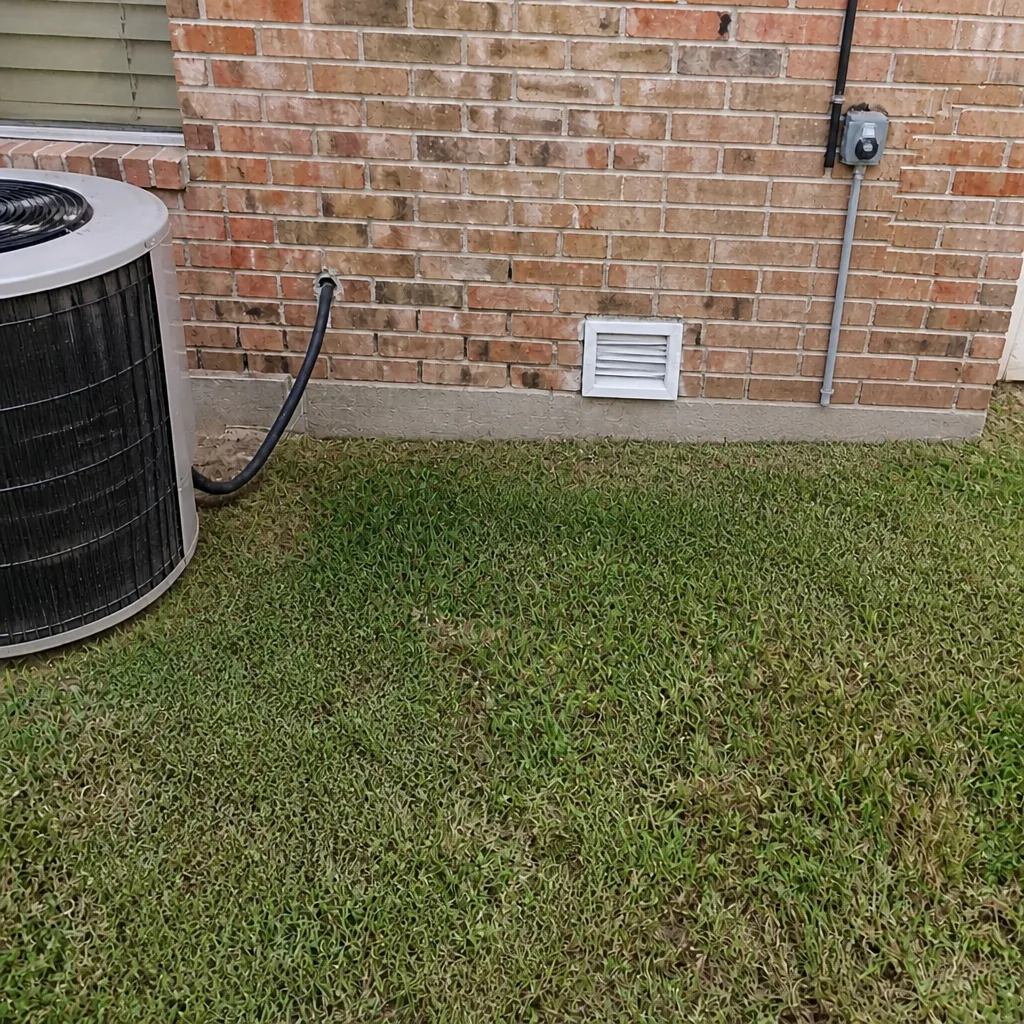 After
Common Mistakes to Avoid
- Comparing totals without comparing scope. Two numbers that look the same can cover very different amounts of work. Line up the scopes before you decide.
- Accepting a per-vent quote that hides the trunks and returns. It looks tidy, but it may only clean the registers and leave most of the system untouched.
- Skipping the air handler to lower the price. Cleaning the ducts while leaving a dirty blower wheel and coil in place returns contamination to a clean system fast.
- Buying sanitizing as a stand-alone fix. If there’s no cleaning first and no identified problem, a fog treatment doesn’t solve anything.
- Neglecting the dryer vent because the ducts are clean. Lint buildup is a separate safety issue, and it’s the add-on most worth asking about.
- Letting the final price change after work starts. Get a written, itemized scope with a fixed price before anyone touches the system.
- Choosing a provider that only cleans. In a Pleasant Grove attic system, dirty ducts and leaky joints usually come together. If nobody can diagnose and seal a compromised run, you’ll be back to square one when contamination returns.
When to Call a Professional
There are clear signals that a duct system needs a professional look rather than a DIY attempt. Persistent visible dust settling on surfaces soon after cleaning, a musty smell that gets stronger when the system runs, allergy symptoms that flare when you’re in the house, or a recent HVAC service call that flagged dirty ducts all point the same way. So does moving into a new Pleasant Grove home, where the previous occupant’s habits are unknown. And any dryer that takes two cycles to dry a load is a reason to check the vent. Ductwork in an attic is hard to inspect and hard to reach, and a lot of the work involves equipment most homeowners don’t have. That’s the point at which a professional visit pays for itself. Pleasant Grove Air Duct Cleaning offers free estimates in Pleasant Grove, call (855) 658-5117. We answer 24/7. Fast dispatch from 7am to 7pm, Sunday through Friday.
Frequently Asked Questions
Most whole-home systems in Pleasant Grove land in the range of roughly $350 to $700 for cleaning alone, and $600 to $1,100 or more when the air handler, blower wheel, and coil are included or access is difficult. The written estimate sets the final price, and it’s built from your system’s size, material, and access rather than square footage. Call (855) 658-5117 for an exact quote. Estimates are free.
Cheap quotes are usually cheap because they cover far less: often just the branch runs and registers, with the trunk lines, returns, plenum, and air handler left out. They can also assume easy access that your attic won’t provide, which is where mid-job increases come from. Ask every provider for an itemized scope and compare those, not the totals. Call (855) 658-5117 and we’ll walk you through exactly what a full scope includes.
Ask for before-and-after photos of your own ducts, and read the written scope to confirm every included item was addressed. That’s also why we inspect before we start: you see what we find before any work begins, and you know what standard the finished job is being measured against. Call (855) 658-5117 to book an inspection.
There’s no single correct interval. For most Pleasant Grove homes with an attic system, every few years depending on dust levels, pets, renovation work, and whether the ducts are sealed matters more than a fixed schedule. The more useful question is whether the system has leaks or an unsealed attic duct run losing air; those cause contamination to return quickly regardless of how often you clean. Call (855) 658-5117 for a free assessment.
Usually, yes. Attic systems with low clearance, tight branch runs, and blown insulation take more time and care, and labor is the biggest line on the quote. That access difficulty is also the fair reason two homes with matching square footage can differ by a few hundred dollars. Call (855) 658-5117 for a free estimate based on your actual setup.
In most cases, yes. The blower wheel, coil, and drain pan sit at the center of the system, and cleaning the ducts without them means a dirty blower pushes new contamination into freshly cleaned ductwork. It’s a separate line item in a written scope, so you can price it separately and decide with full information. Call (855) 658-5117 to get both figures.
The Bottom Line
Duct cleaning cost in Pleasant Grove in 2026 comes down to four variables: system size, duct material, access difficulty, and whether the air handler is included. Whole-system pricing gives you a more accurate picture than per-vent pricing for the attic-routed systems common here, and a written scope is what keeps the number where it started. Add-ons like sanitizing, duct sealing, and dryer vent cleaning are worth asking about when a specific condition justifies them. Read the scope, not just the total. Then call (855) 658-5117 for a free estimate. We answer 24/7. Fast dispatch from 7am to 7pm, Sunday through Friday.
Written by the team at Pleasant Grove Air Duct Cleaning.