
Last updated November 23, 2026
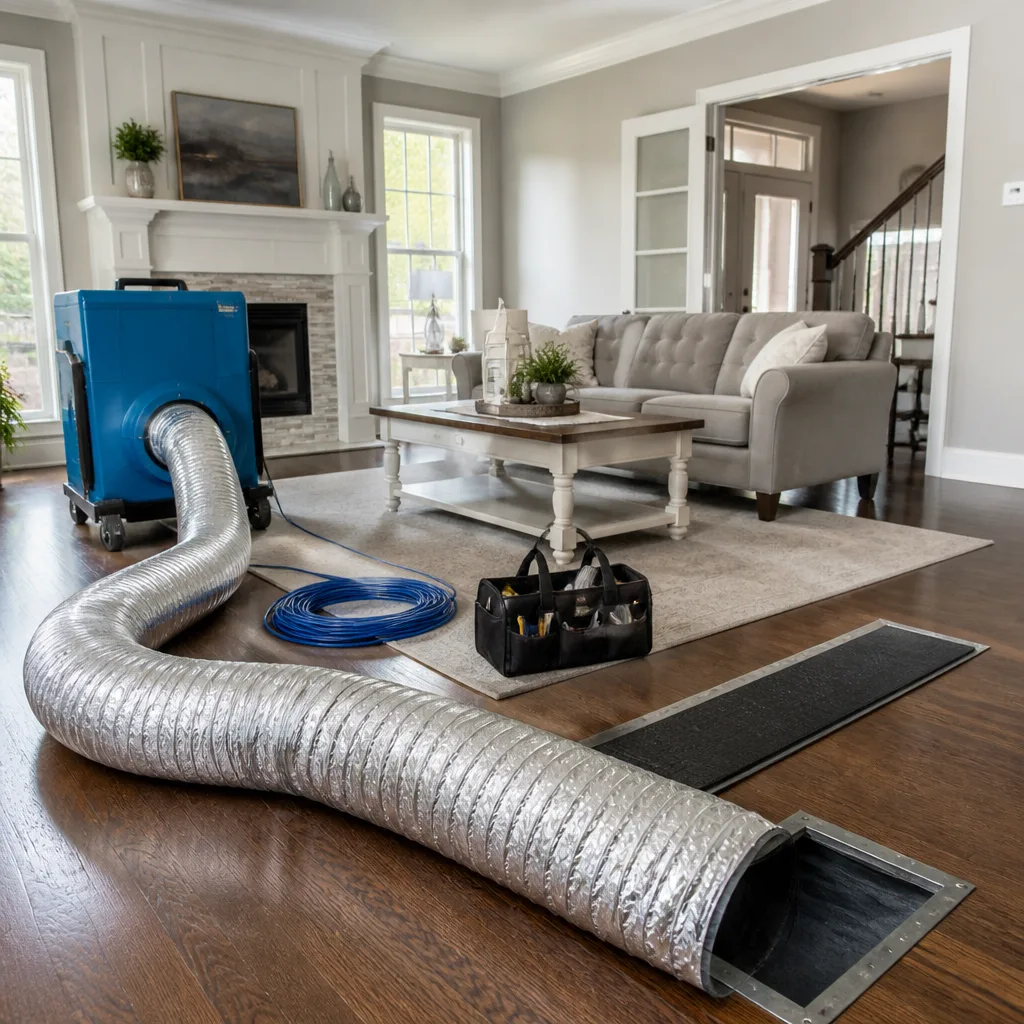 Whole-home duct cleaning
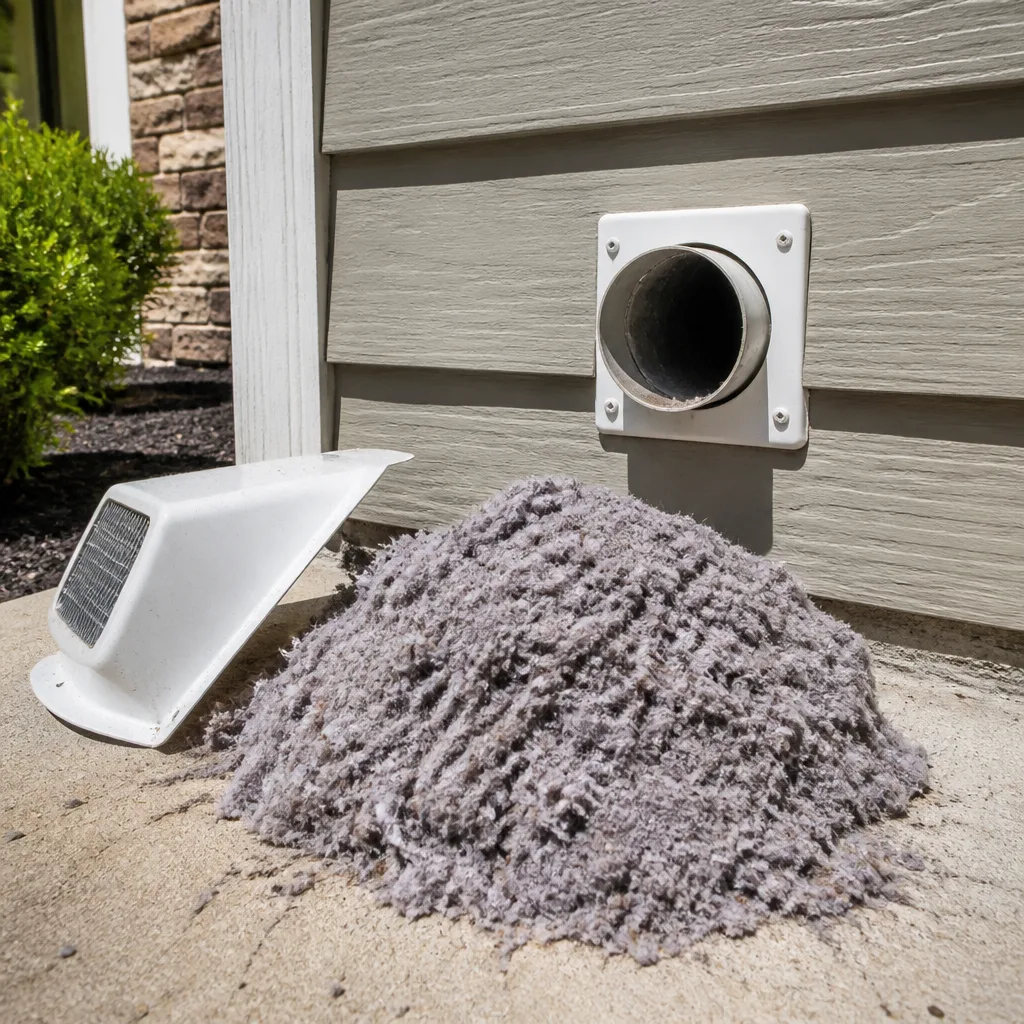 Dryer vent cleaning
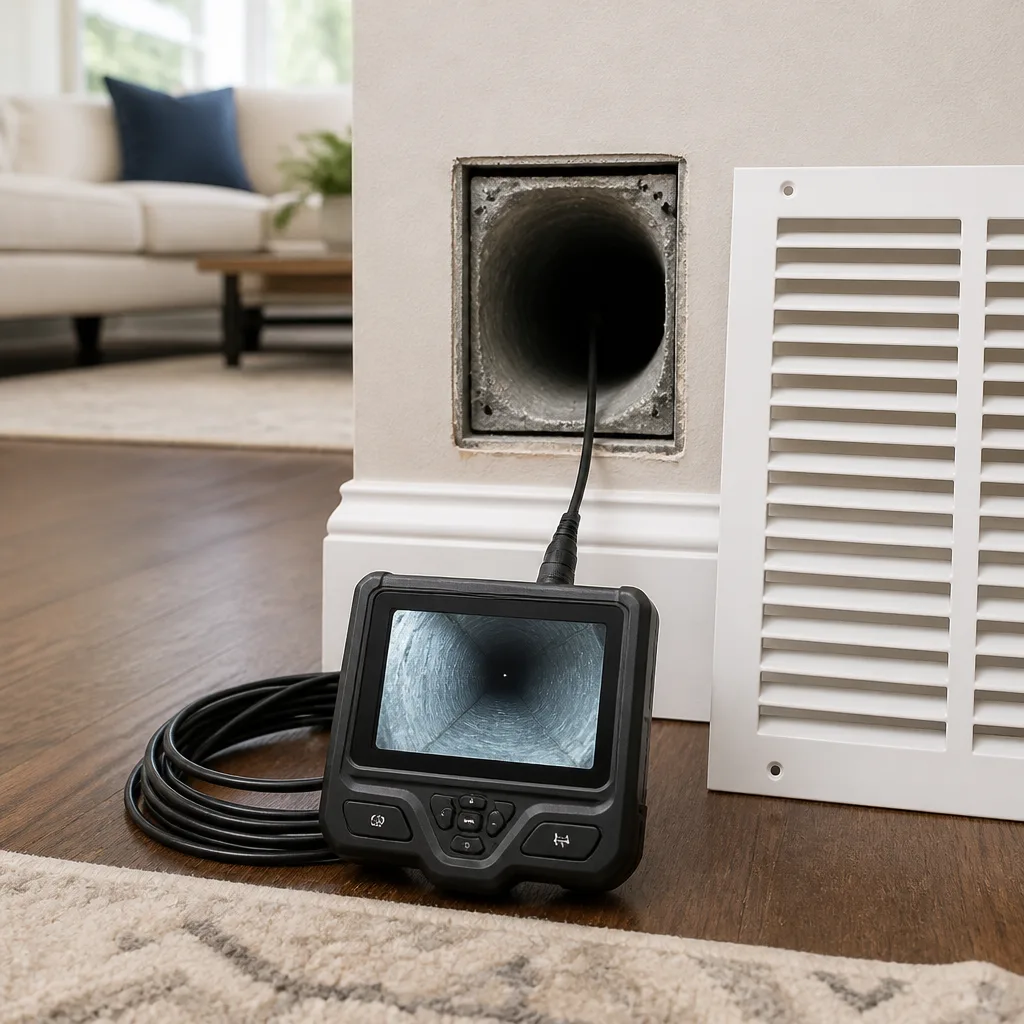 Camera inspection
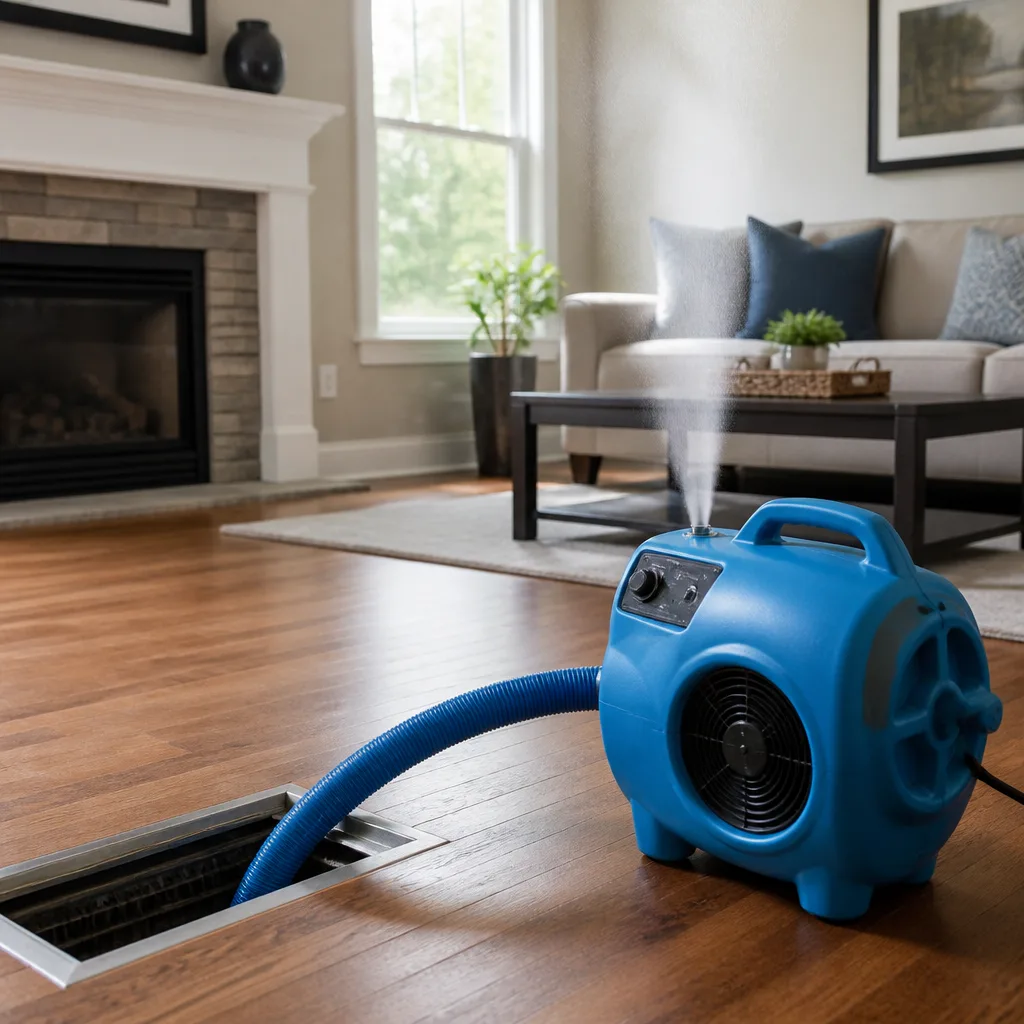 Sanitizing & deodorizing
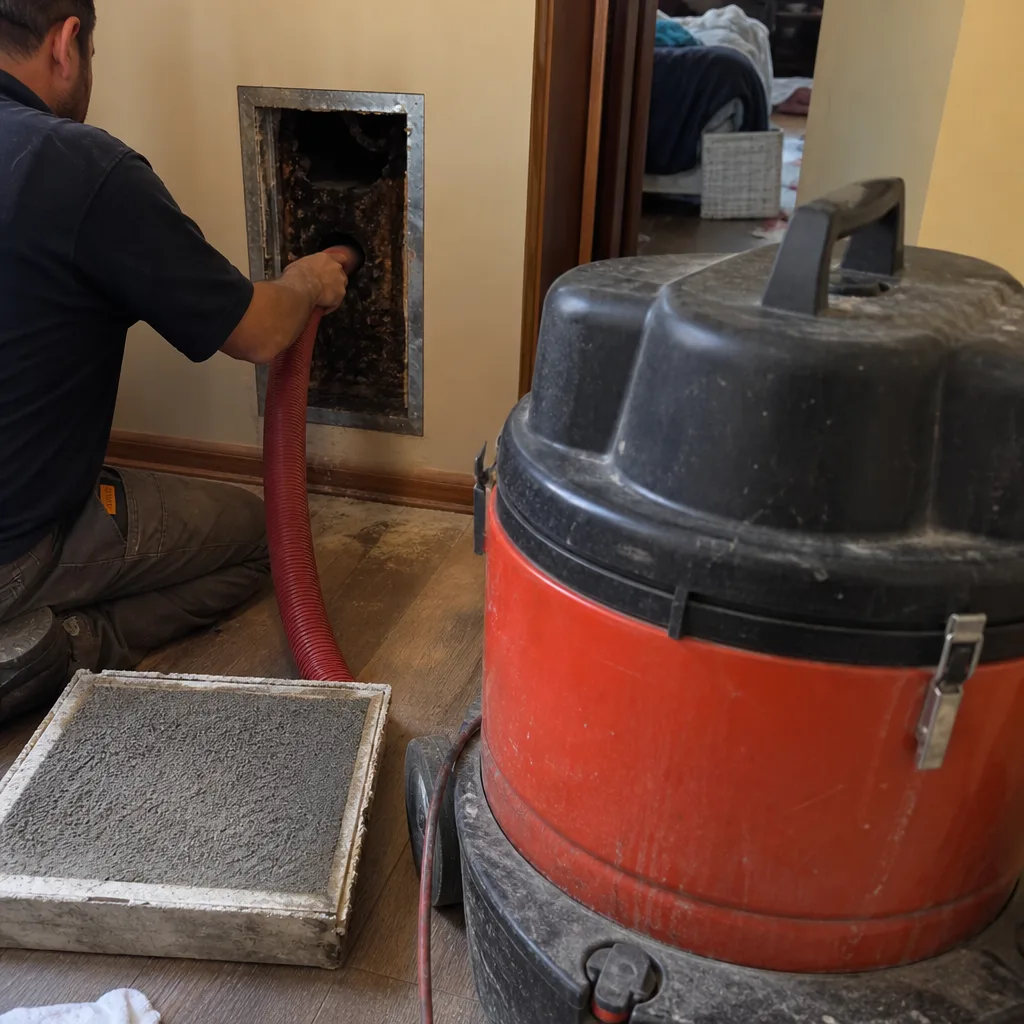
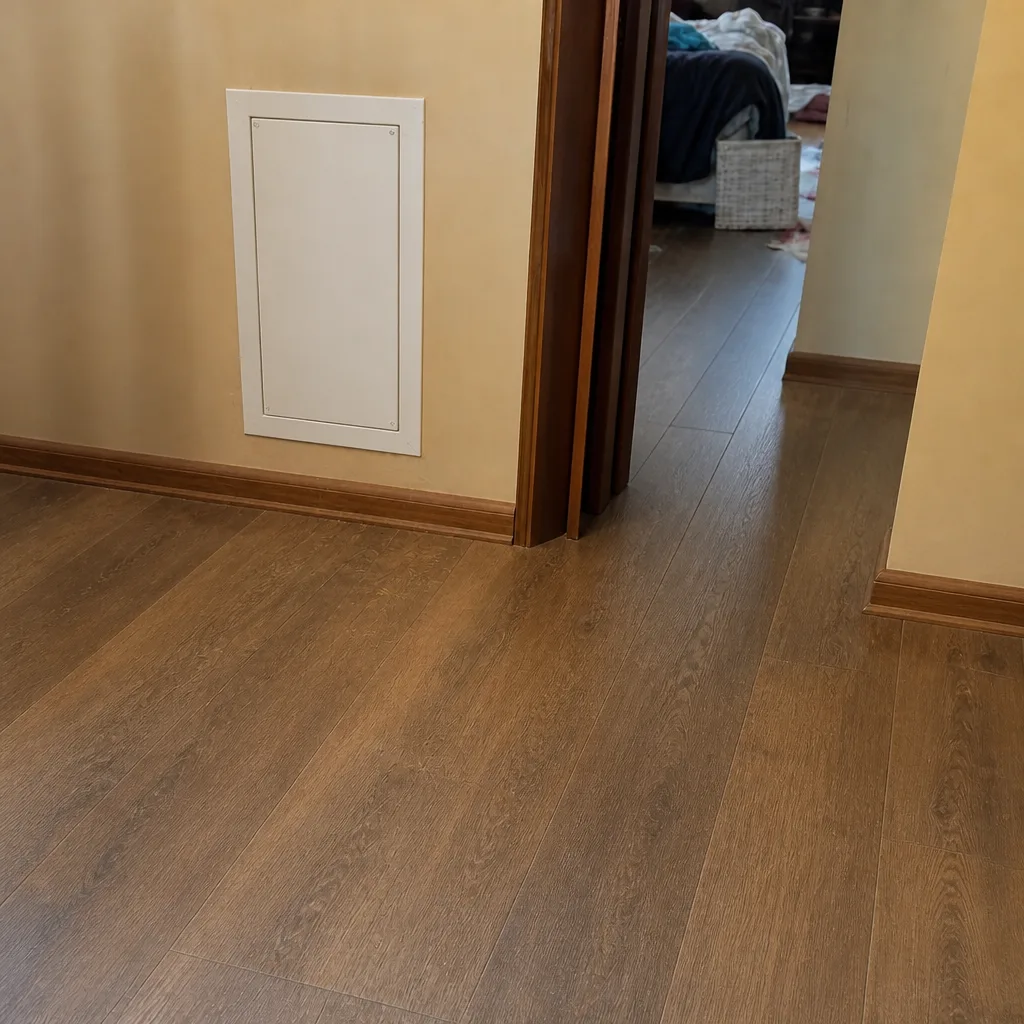
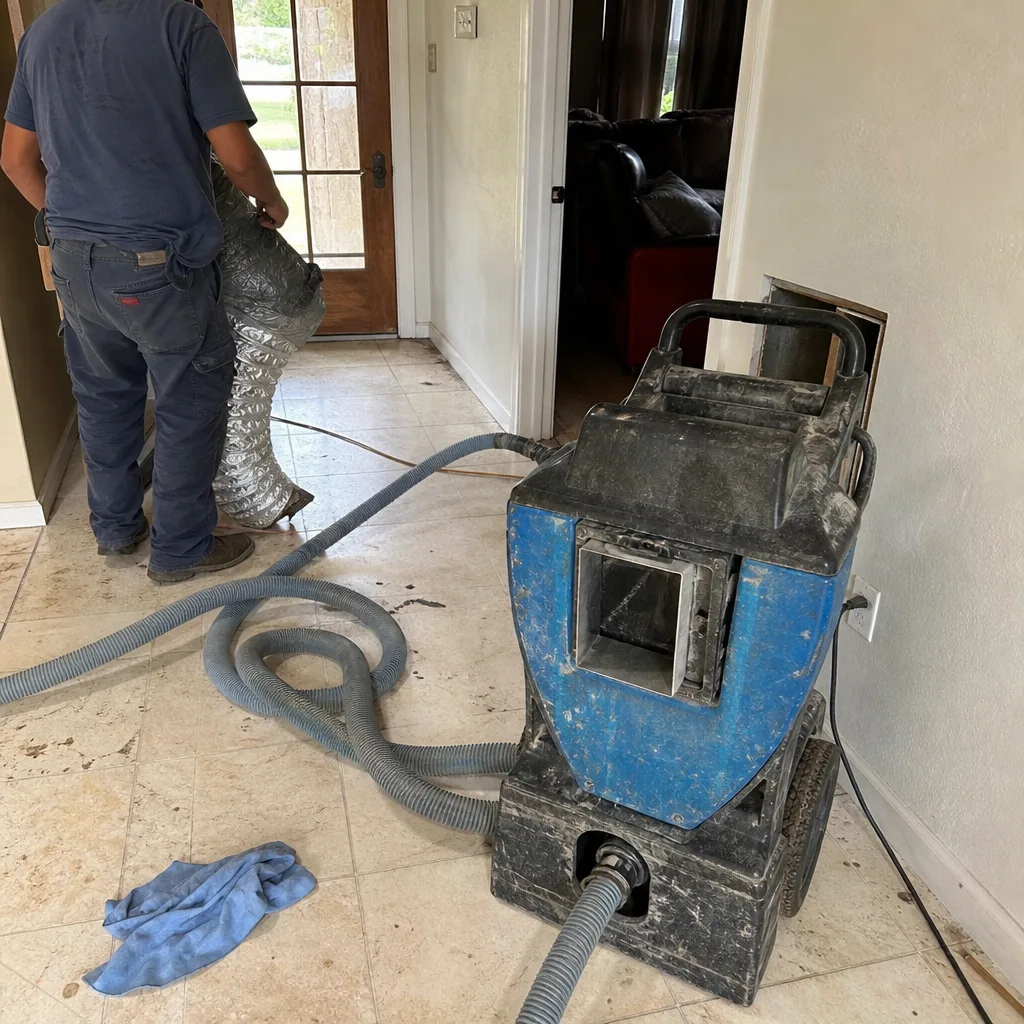
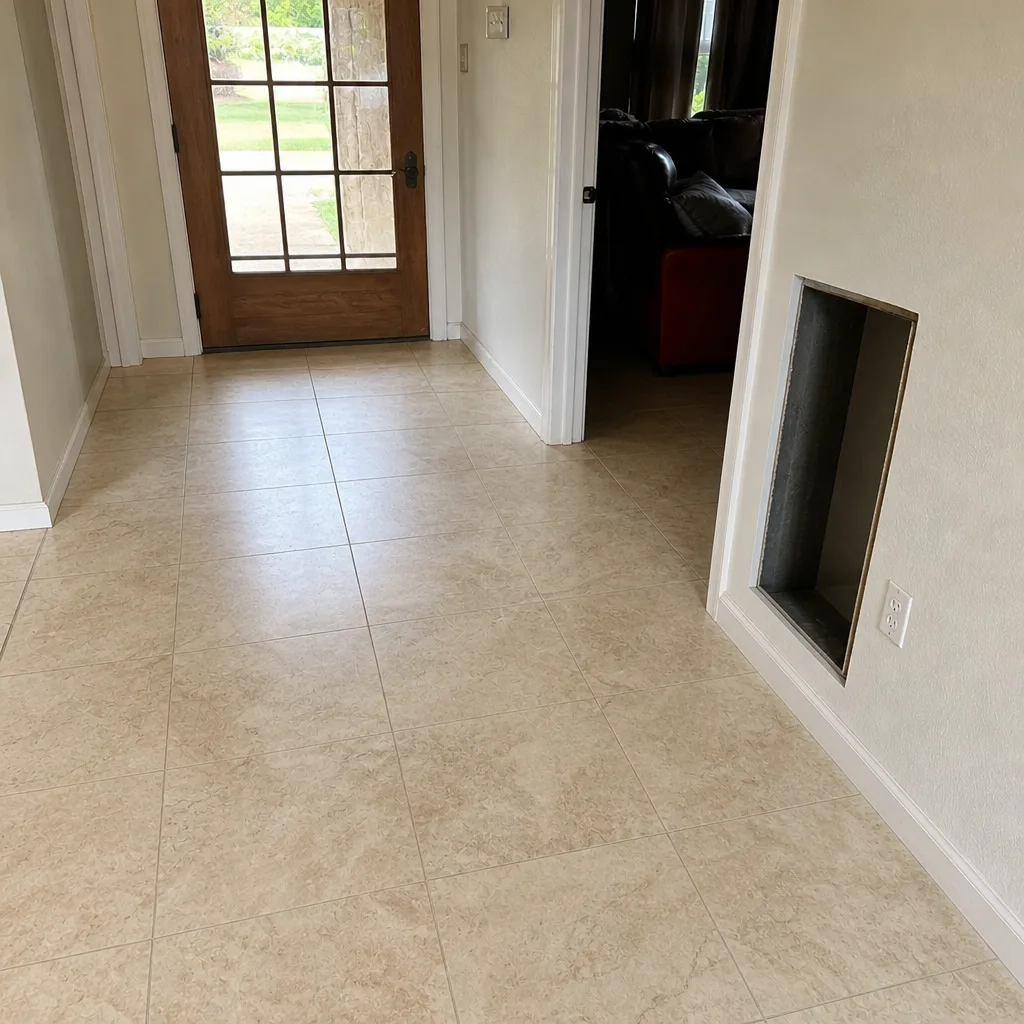
Whole-system duct and dryer vent check with before-and-after photos - you see exactly what came out of your vents
That "$99 whole-house special" is a bait ad - the real number appears once they are in your hallway, or the "clean" is a shop-vac at the register. We photograph the inside of your ducts before and after instead.
Air Duct Cleaning Maintenance Checklist for Pleasant Grove Homeowners
The filter you change every 90 days is actually the last line of defense, not the first. By the time it’s loading up with debris, the system upstream has already been moving that material through your supply trunks for weeks. That’s the part most maintenance advice gets backwards. In Pleasant Grove, where the cooling season runs long and spring pollen settles into every return grille, the checkpoints that matter most sit behind the filter, not at it. This guide walks you through the same rhythm a technician uses: what to check monthly, quarterly, and annually, how to spot a failing flex duct connection before it wastes your cooling, and when a small finding needs a trained hand. Read it once, then keep it as your seasonal reference.
Quick Answer
A working duct maintenance routine for a Pleasant Grove home has three tiers: monthly filter and register checks, quarterly drain pan and connection inspections, and one annual whole-system cleaning and sealing evaluation timed before summer cooling load. The goal isn’t to clean ducts constantly. It’s to catch a torn flex joint, a restricted register, or a wet drain pan while it’s still a small, fixable item rather than an air quality or efficiency problem.
Key Takeaways
- Your filter is downstream of the problem. Inspect returns, boots, and the plenum first.
- Micro-gaps at flex connections leak conditioned air into attic space you can’t feel.
- A wet or rusty drain pan means stop and call. A dry pan with light dust is normal.
- MERV isn’t a scoreboard. Older duct systems can be strangled by a filter that’s too tight.
- A strip of tissue at each register tells you more about airflow balance than any guess.
Styles & brands we work with
- Whole-home duct cleaning
- Dryer vent cleaning
- Camera inspection
- Sanitizing & deodorizing
Table of Contents
- What Should You Check Every Month?
- What Belongs on a Quarterly Inspection?
- What Does the Annual Checklist Look Like?
- How Do You Inspect Flex Duct Connections for Leaks?
- What Does a Healthy Drain Pan and Coil Look Like?
- Which MERV Rating Suits Pleasant Grove Homes?
- How Do You Test Airflow Balance with Tissue Paper?
- Why Is Dryer Vent Cleaning Part of the Checklist?
What Should You Check Every Month?
Monthly checks are fast. Ten minutes with a flashlight covers the whole list. The point isn’t deep cleaning. It’s pattern recognition. Once you know what your registers, returns, and filter slot normally look like, a change, like dust collecting on a supply outlet only in one room, becomes a signal instead of background noise.
Work through these in order:
- Filter slot and filter. Pull the filter out and hold it up to a light. If you can’t see light through the mesh, replace it. Note which rooms the dust is heaviest in; that tells you where the return pull is strongest.
- Return grilles. Run a finger along the frame. Loose dust on the louver is normal. A dark, fuzzy edge on the drywall around the grille suggests air is sneaking past the frame instead of through the filter.
- Supply registers in each room. Look at the fins. Dust streaks radiating out from one register while the others stay clean points to a localized pressure issue.
- Evidence at the ceiling. Any dark ring or smudge at a supply boot in a Pleasant Grove home is a leak marker. Ceiling paint and drywall don’t stain unless air has been moving there.
- Smell test at each room. Musty or dusty at one register only? Note it. That’s the kind of thing that warrants an inspection rather than a wipe-down.
If a single register smells musty or shows heavy dust while the rest are clean, that’s a diagnostic flag, not a housekeeping problem. It’s worth writing down which rooms and calling for a visual inspection before you decide anything else. Our team at Pleasant Grove Air Duct Cleaning has walked the same rooms in Pleasant Grove homes enough times to know the difference between dust that’s normal and dust that’s telling you something.
The other monthly habit worth building: check the return grille on the air handler closet. If you see a film of dust accumulating inside the closet, the return path is leaking.
What Belongs on a Quarterly Inspection?
Quarterly checks go one layer deeper than the surface. You’re looking for moisture, wear, and airflow restriction wherever you can see the system without removing panels. Pleasant Grove’s cooling season runs long enough that quarterly is the right cadence for looking at the parts that get wet and the parts that flex.
Run this sequence every season change:
- Look at the drain pan under the air handler. Dry and lightly dusty is fine. Standing water, a rusty pan, or a slimy film means call before the next cooling day.
- Inspect the condensate line. Trace it from the pan to where it exits. A mushy or kinked section, or any visible algae in the clear segment, is a problem worth a technician.
- Open the return plenum access (if one exists) and look at the flex duct connections. This is covered in depth below.
- Check supply boot connections at the ceiling. Gently push on each boot plate. Movement is fine; visible gaps between the boot and the drywall are not.
- Run the tissue airflow test. Covered in detail further down. You’re checking that every register still moves air at roughly the same strength.
- Inspect the outdoor condenser coil. A gentle rinse is enough. Don’t use a pressure washer on the fins.
Two of those items, the drain pan and the flex connections, are the ones that quietly cause the most damage in Pleasant Grove homes. A wet pan can grow aerosolized material into the air stream over a season. A loose connection pulls attic dust in every time the system runs. Neither shows up as “the AC isn’t cooling.” Both show up eventually as hot spots, stuffy rooms, or a house that doesn’t hold its set temperature on a 105-degree afternoon.
During the spring pollen load in Pleasant Grove, pay extra attention to the return grille after any wind event. Pollen collects quickly, and a loaded return is the fastest path to premature filter failure.
If the quarterly visual raises questions you can’t answer from outside the system, that’s the natural entry point for air duct cleaning with a full inspection up front.
What Does the Annual Checklist Look Like?
Once a year, ideally before the summer cooling season starts, the whole system gets evaluated as a system. This is the point where cleaning, cleaning verification, sealing evaluation, and air quality product decisions come together. It’s the one appointment where a full picture beats piecemeal checks.
Here’s the sequence we run:
- Whole-house pre-inspection. Every register, return, and accessible run is photographed before anything is touched. We show you what we find before we start, and that includes the boring stuff.
- Negative-air setup. The work area is put under negative pressure using Abatement Technologies equipment so dislodged material travels to the collection unit, not into your living room.
- Rotary brushing and contact cleaning. Rotobrush rotary brush systems reach the full wall of every accessible duct run. That’s the point of the rotary brush: it makes contact, unlike a vacuum alone.
- Source-of-truth cleaning with Nikro units. Nikro HVAC cleaning equipment pulls material through the system at a volume that matches the duct’s design airflow, not just the hose’s reach.
- Coil, drain pan, and blower inspection. If the coils are fouling, the system gets the HVAC cleaning stage as a separate scope quoted in writing.
- Duct repair and sealing evaluation. Any joint, boot, or trunk line that shows a gap gets documented. Sealing is quoted as its own line item, never stapled onto a duct cleaning as a surprise.
- Air quality recommendation. If the return path is passing through a filter that’s too tight or too loose for the system, we’ll say so. Honeywell and Aprilaire products come up here, because the filter and the housing matter as much as the cleaning.
- Before-and-after documentation. Photos of the same register at the same angle. You see what changed.
That’s the annual rhythm. It’s not a sales pitch. It’s the sequence a technician trusts, and it’s a sequence you can ask about when you get a quote from anyone.
How Do You Inspect Flex Duct Connections for Leaks?
Flex duct connections fail at two predictable spots: at the plenum (where the duct leaves the air handler) and at the boot (where it meets the ceiling register). Both are usually accessible from an attic or a crawlspace, and both fail in the same way. The tape or mastic pulls away, the inner liner draws back, and a gap opens.
You’re looking for micro-gaps, not obvious tears. A gap you can slide a business card into is a leak. A gap you can see daylight through is a bigger leak. Even a small gap at the plenum under positive pressure pushes conditioned air into attic space, and it also lets whatever’s in the attic space into the airstream when the blower shuts off and pressure in the ducts drops. That second half, the return-pull effect, is what most homeowners don’t know about.
Here’s how to approach the inspection:
- Turn the system off. Don’t crawl around an attic with the blower running.
- Photo the plenum first. Take a wide shot, then a close-up of each duct takeoff. You want a reference if something looks different later.
- Check mastic or tape at each connection. Mastic should be continuous with no cracks. Tape should not lift at any edge. If it lifts when you press it with a finger, it’s failing.
- Look at the inner liner. At each collar, the inner liner should reach the collar and be secured. If it has drawn back, that’s a technician-level repair.
- Check each supply boot at the ceiling. If you can see attic space around the edge of the boot plate, the connection is passing air.
- Look for strapping issues. Sagging flex duct, kinked runs, or runs resting on joists all restrict airflow and can crush the inner liner.
- Write down what you see with room names. You don’t need to fix anything on this pass.
Duct sealing is a repair job, not a tape-and-go. Mastic and mechanical fastening are what hold. In our experience, most Pleasant Grove attics show at least one connection that has lost its seal. The tell is usually a register that’s always been weaker than the others in the same room, or a room that runs two degrees warmer than the rest of the house no matter what you set the thermostat to.
If the flex inspection turns up more than one or two suspect joints, that’s the right time to get an in-person evaluation of duct repair & sealing before the next summer runs.
Safety note: attic spaces in Pleasant Grove can hit extreme temperatures during the day. Inspect early, use a headlamp, and don’t work alone in a confined attic.
What Does a Healthy Drain Pan and Coil Look Like?
The drain pan and evaporator coil are the two components that most directly indicate whether your system is healthy. Both are visible during a basic visual check around the air handler, and both give clear signals.
A healthy drain pan is dry except for the normal trickle of condensate during active cooling. The metal is bright or evenly weathered, not rust-bloomed in one corner. The drain port is clear and the visible line is not discolored with algae. Light dust is present, but the surface is smooth to the touch, not slimy.
A compromised drain pan shows any of these:
- Pooled or standing water
- Rust concentrated in one area, usually around the drain port
- A visible slime or dark film on the pan bottom
- Drain line that drips instead of flowing
- Musty smell from the air handler closet
A healthy evaporator coil shows even fin spacing with light gray dust. Fins are straight and not bent. There’s no visible biological growth on the fin faces.
A compromised coil shows matted dust, bent fins blocking airflow, or visible dark growth. A coil fouled to that degree usually needs professional cleaning rather than a surface brush-off. It’s also the point where cleaning alone may not solve a downstream air quality issue if a wet pan has been feeding aerosolized material into the system for weeks.
The threshold is simple. If the pan is wet when the system hasn’t been running in the last hour, or if you can smell anything musty coming out of the air handler closet, stop and call. That goes for any Pleasant Grove home regardless of its age. Water and airflow don’t mix well, and a small drain line issue becomes an expensive one fast.
For the annual whole-system evaluation, this is where the air quality and sanitizing step fits. air quality & sanitizing services make sense when the visual inspection and the smell test both point to a real issue, not as a routine add-on.
Which MERV Rating Suits Pleasant Grove Homes?
The right MERV rating for a Pleasant Grove home is usually 8 to 11 for systems with standard 1-inch filter slots and older flex duct. Higher MERV isn’t automatically better. A filter that’s too restrictive for the blower drops the static pressure the system was designed around, starves supply registers, and can push the blower into the top of its operating curve where it moves less air at higher load.
Here’s the working rule we use:
- MERV 8: Baseline for any system. Good for typical Pleasant Grove dust and pollen load. This is the safe choice for older flex duct systems with tight returns.
- MERV 11: Reasonable for a system with a 4-inch or 5-inch filter slot and a blower sized with margin. Captures finer particles than MERV 8 without choking the system.
- MERV 13 and up: Fine for systems that were designed for them (usually with a larger filter cabinet and a variable-speed blower). Poor choice for a 1-inch slot on a 20-year-old duct system.
Pleasant Grove’s seasonal profile matters here. Spring brings a heavy pollen load, and the cooling season stretches long enough that a filter will be fully loaded by July if the return is pulling from rooms that generate dust. A MERV 8 replaced on schedule outperforms a MERV 13 left too long in the slot.
Filter housings matter as much as filters. If you’re considering a whole-home upgrade, a filter cabinet sized correctly for the return is the piece that makes a higher-MERV filter work. Honeywell and Aprilaire make cabinets and media filters across those ranges, and a technician can tell you which one fits your existing return plenum without choking the system.
Don’t guess on this one. If you’ve been running a MERV 13 and your registers feel weak, drop back to MERV 11 or MERV 8 and see if supply airflow recovers over a week.
How Do You Test Airflow Balance with Tissue Paper?
A single ply of tissue held against a supply register tells you whether the register is delivering the airflow the room needs. It’s the simplest check on this list, and it catches partial blockages, collapsed duct sections, and disconnected runs before they show up as a hot room in July.
Here’s the step-by-step:
- Set the thermostat to fan-only or run the system on cooling. Fan-only is enough for the balance check.
- Hold a tissue loosely at each supply register. You want to see it flutter and lift away from the grille, not press flat against it.
- Note the strength at each register. Use a simple scale: strong, moderate, weak, none. Nobody’s guessing at a tenth of a unit.
- Compare across the house. A room that’s one grade weaker than the others is worth checking the duct run for. A register with zero pull is a disconnected or collapsed run.
- Repeat on returns. Each return should pull the tissue toward the grille. A return that doesn’t pull is restricted, often by a closed damper or a loaded filter further in.
- Document and repeat in 90 days. The value here is comparison over time, not a single reading.
The tissue test won’t tell you why a register is weak. It will tell you that one is. A technician can come in, get real static pressure readings, and trace the run. Most airflow problems in Pleasant Grove homes trace back to one of three causes: a kinked or crushed flex duct in the attic, a disconnected boot, or a filter and return combination that’s restricting the whole system.
If two or more registers test weak, or one tests flat none, that’s a call, not a wait-and-see.
Why Is Dryer Vent Cleaning Part of the Checklist?
A clogged dryer vent is one of the leading causes of residential house fires, and it doesn’t show up anywhere in the air duct system. That’s exactly why it belongs on a maintenance checklist. The dryer vent is its own pathway, its own fire risk, and its own cleaning schedule.
Signs to check for:
- Dryer takes longer than one cycle to dry a normal load
- Dryer body or door is unusually hot to the touch
- Visible lint at the exterior vent flap
- Lint building up behind the dryer
- A musty or burnt smell in the laundry area
Check monthly inside the flexible transition duct behind the dryer. Plan a full vent cleaning evaluation at the annual mark, alongside the duct system. Lint accumulates in the rigid sections of the vent run where friction is highest, and that’s not visible without pulling the vent apart or running a proper cleaning tool through it.
Pleasant Grove homes with a dryer located against an exterior wall usually have a shorter, straighter vent run. Homes with the dryer in the middle of the house or on an upper floor typically have a longer run with more elbows, which means lint accumulates faster and the cleaning interval should be shorter. Dryer vent cleaning is a dedicated service and belongs on your annual schedule, not as an afterthought when a load of towels won’t dry.
Common Mistakes to Avoid
- Changing the filter and calling it maintenance. The filter is downstream of the system. Swap the filter, but also look at each return grille and each supply boot. Otherwise you’re just treating one symptom.
- Running the highest MERV you can find. A MERV 13 in a system with a 1-inch slot and older flex duct can choke the airflow. Match the filter to the slot, not to the marketing claim on the package.
- Ignoring a musty smell in one room. A single musty register in a Pleasant Grove home usually means one of three things: a wet pan, a biological growth on the coil, or a boot-level gap pulling attic air. All three need eyes on them.
- Taping a leaking flex joint. Household tape doesn’t hold on duct board or flex collar in an attic that sees summer heat cycles. Mastic and mechanical fastening are what actually hold.
- Treating duct cleaning as a “when I feel like it” service. A true whole-system evaluation has a cadence for a reason. Annual is the rhythm that catches small issues before they compound.
- Skipping the dryer vent because the ducts got cleaned. Two different systems, two different fire and air quality risks. Clean the ducts, then get the dryer vent checked on its own schedule.
- Believing the “per-vent” quote. A per-vent price means the scope is being cut to fit a number. Whole-system pricing quoted in writing is the only honest number to compare.
See the difference
 Before
 After
 Before
 After
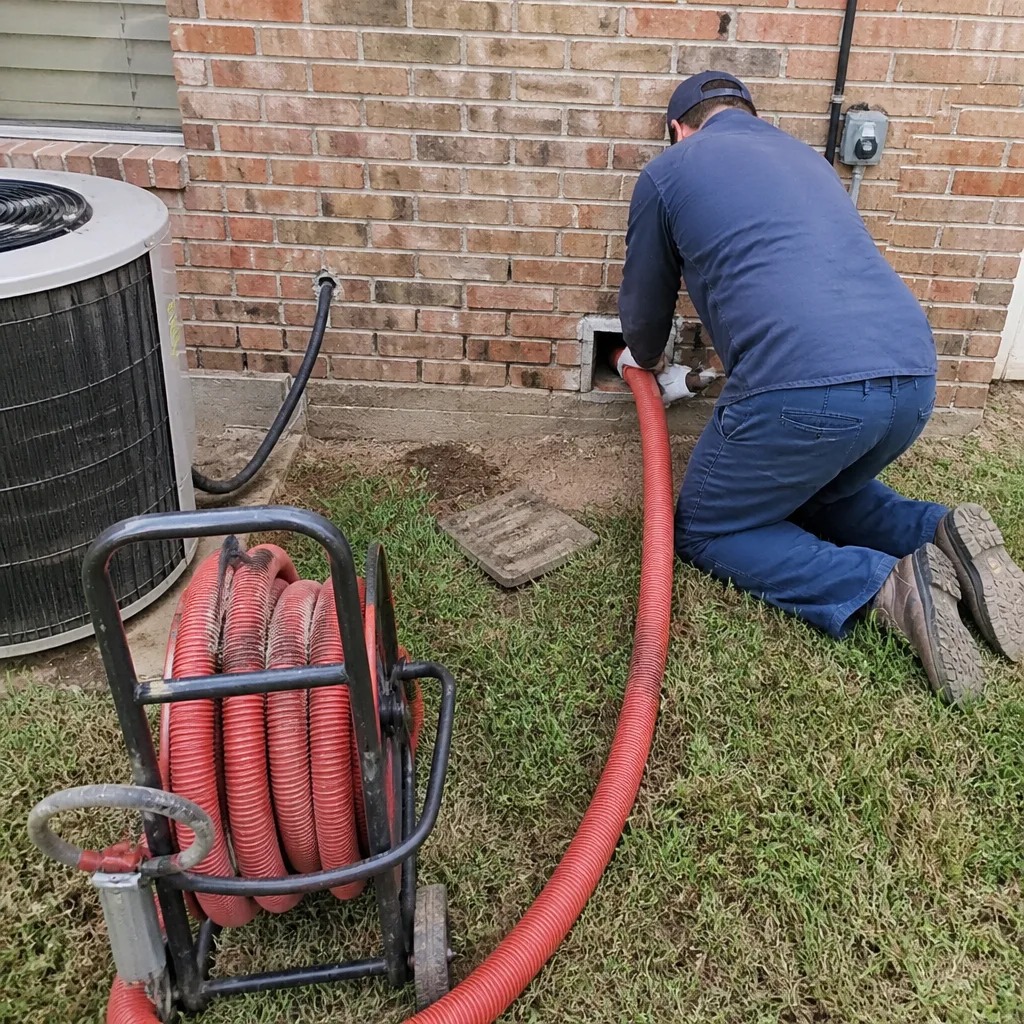 Before
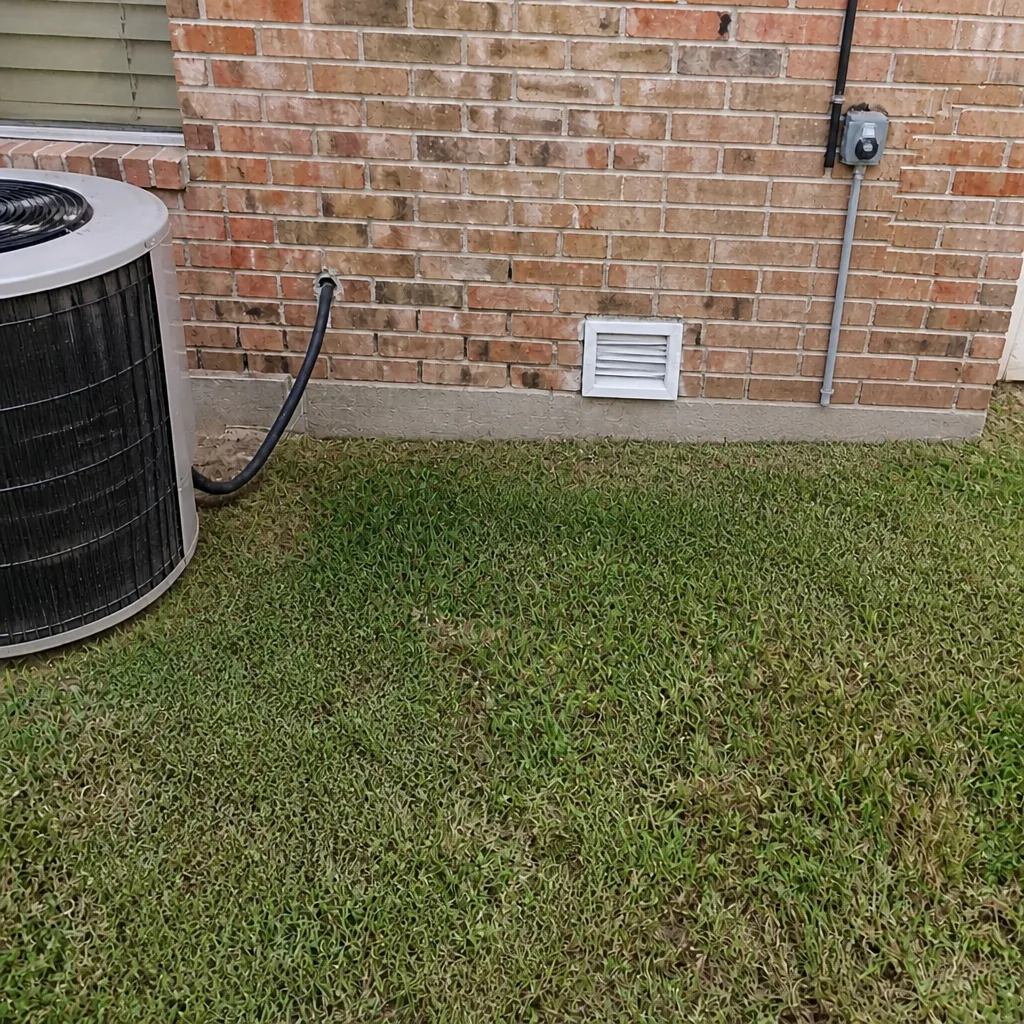 After
When to Call a Professional
Most of what’s in this checklist is a homeowner task. A few things aren’t. Call a professional when you see standing water in the drain pan, visible biological growth on the coil or in the air handler closet, a supply register that’s delivering no airflow, more than two suspect flex duct connections during the quarterly check, or a dryer that’s taking longer than one cycle to dry a normal load. Those are the signs that the system isn’t just dusty; it’s degrading.
Pleasant Grove Air Duct Cleaning offers free estimates in Pleasant Grove. Call (855) 658-5117. We answer 24/7. Fast dispatch from 7am to 7pm, Sunday through Friday. Our technicians have up to 8 years of experience, and every job starts with a written scope, one flat price per system agreed before work starts, and before-and-after photos of your own ducts.
Frequently Asked Questions
Most Pleasant Grove homes benefit from a whole-system cleaning and inspection about once a year, timed before the summer cooling season. Homes with pets, recent construction, or a family member with seasonal allergies may need a check-in closer to every eight months. The visual checklist in this guide catches the between-cleaning issues.
Usually yes, if you have a 1-inch filter slot and standard flex duct. MERV 13 can restrict airflow enough to starve registers and raise the load on your blower. MERV 8 to 11 is the typical sweet spot for Pleasant Grove homes with older systems. A 4-inch or 5-inch filter cabinet can support higher MERV.
It usually points to moisture somewhere between the air handler and that specific room: a wet drain pan, a fouled coil, or a boot-level gap pulling attic air. All three need eyes on them. Don’t ignore a single-register musty smell; the source is usually fixable if it’s found early. Call (855) 658-5117 for an inspection.
You can visually check mastic and tape at accessible connections, and you can photograph the plenum and boots. If a gap, a drawn-back inner liner, or a kinked run turns up, leave the repair to a technician. Attic spaces in Pleasant Grove get extremely hot during the day; inspect early and don’t work alone.
Ask for before-and-after photos of the same register at the same angle, and ask for a written scope with line items. Equipment matters too. A technician running Rotobrush rotary brush systems and Nikro HVAC units is set up for a whole-system clean, not a surface vacuum. If a quote can’t show you photos, that’s your answer.
Usually because the scope is smaller than you think. A low teaser price often covers a partial clean, no sealing evaluation, and no photo documentation. Whole-system pricing with one flat price per system, agreed in writing before work starts, is the honest way to compare. Call (855) 658-5117 for a quote you can line up against the others.
The Bottom Line
A duct maintenance checklist isn’t a list of chores. It’s a diagnostic rhythm. Monthly checks tell you what’s changing. Quarterly checks catch the moisture and connection issues before they compound. The annual evaluation ties it together with a real cleaning, a sealing review, and an honest look at whether your filter and housing setup is helping or hurting. Add the dryer vent to your schedule on its own track. Run the tissue test every 90 days. Photograph whatever you’re not sure about. When something’s off, one call covers your ducts, your dryer vent, your HVAC, and your air quality.
Call Pleasant Grove Air Duct Cleaning at (855) 658-5117 for a free estimate. We answer 24/7. Fast dispatch from 7am to 7pm, Sunday through Friday.
Written by the team at Pleasant Grove Air Duct Cleaning.