
Last updated November 23, 2026
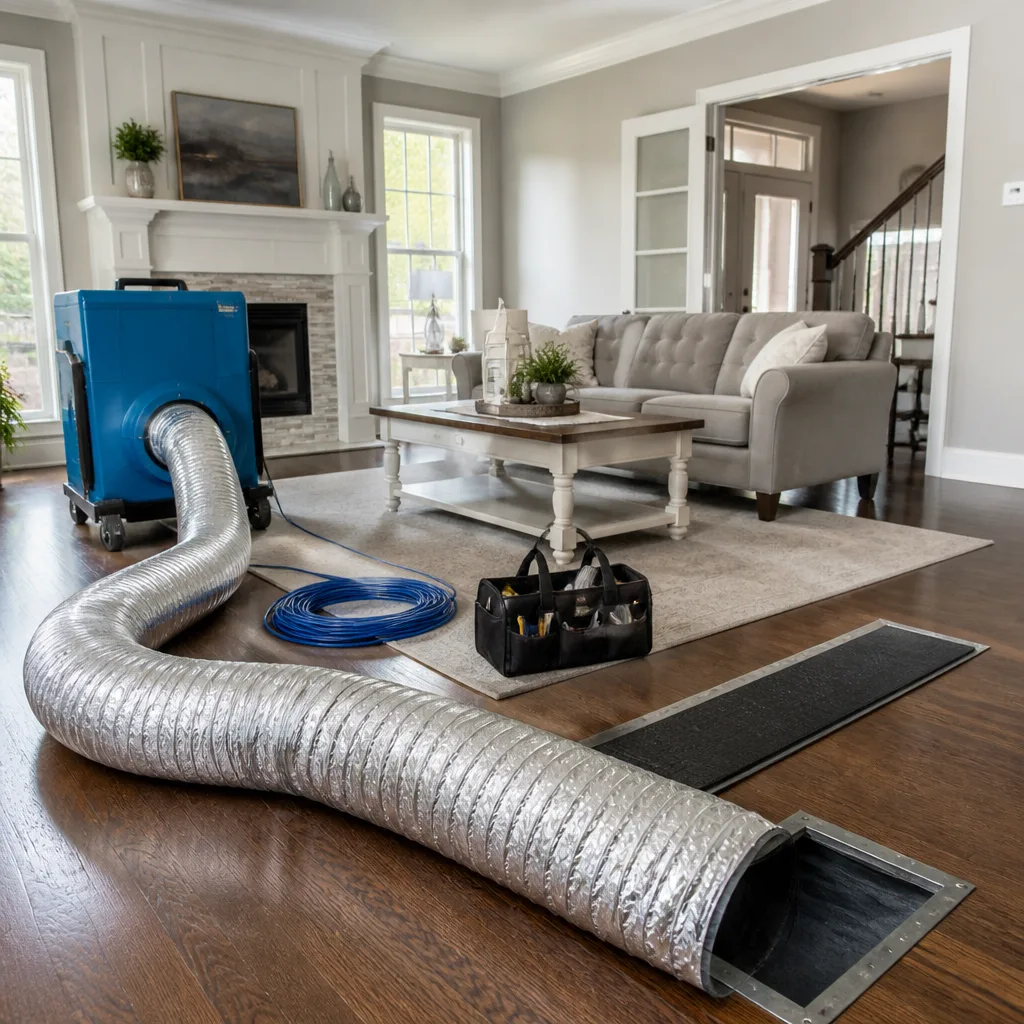 Whole-home duct cleaning
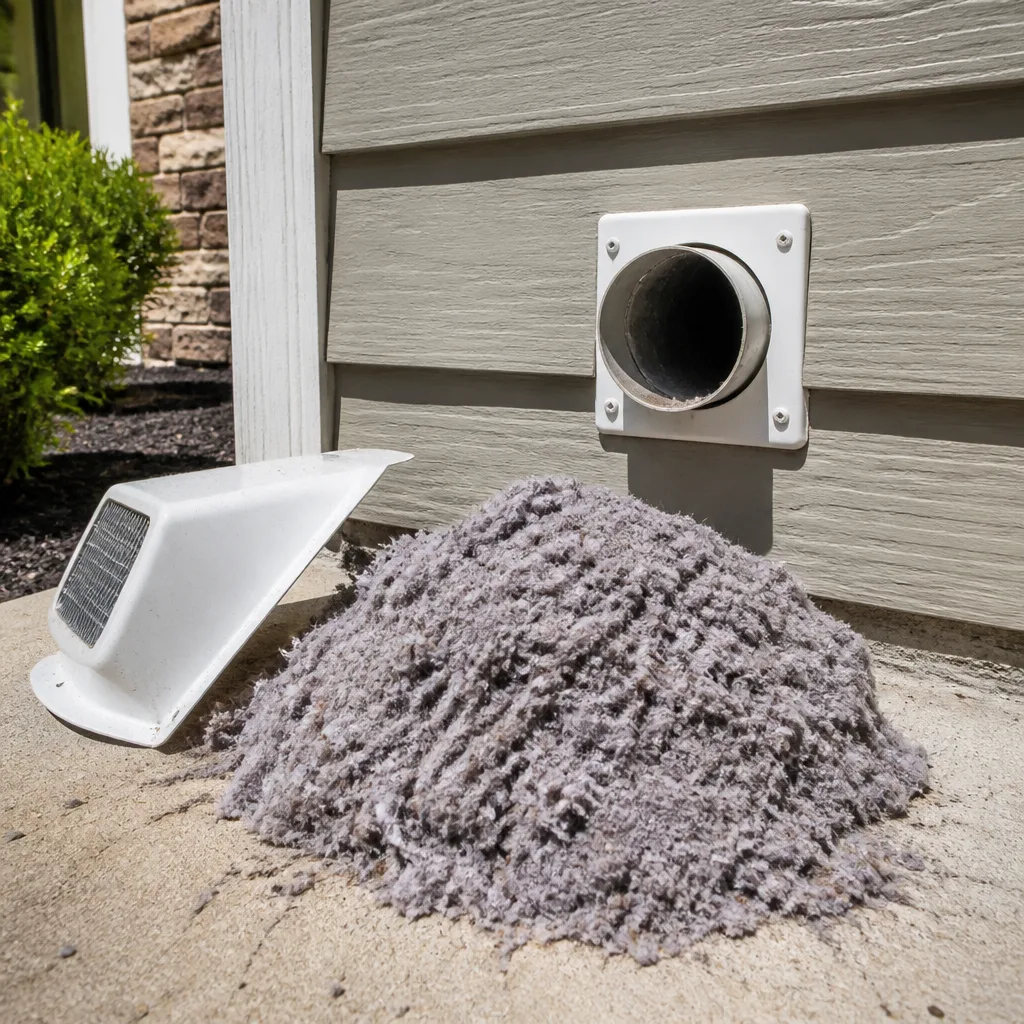 Dryer vent cleaning
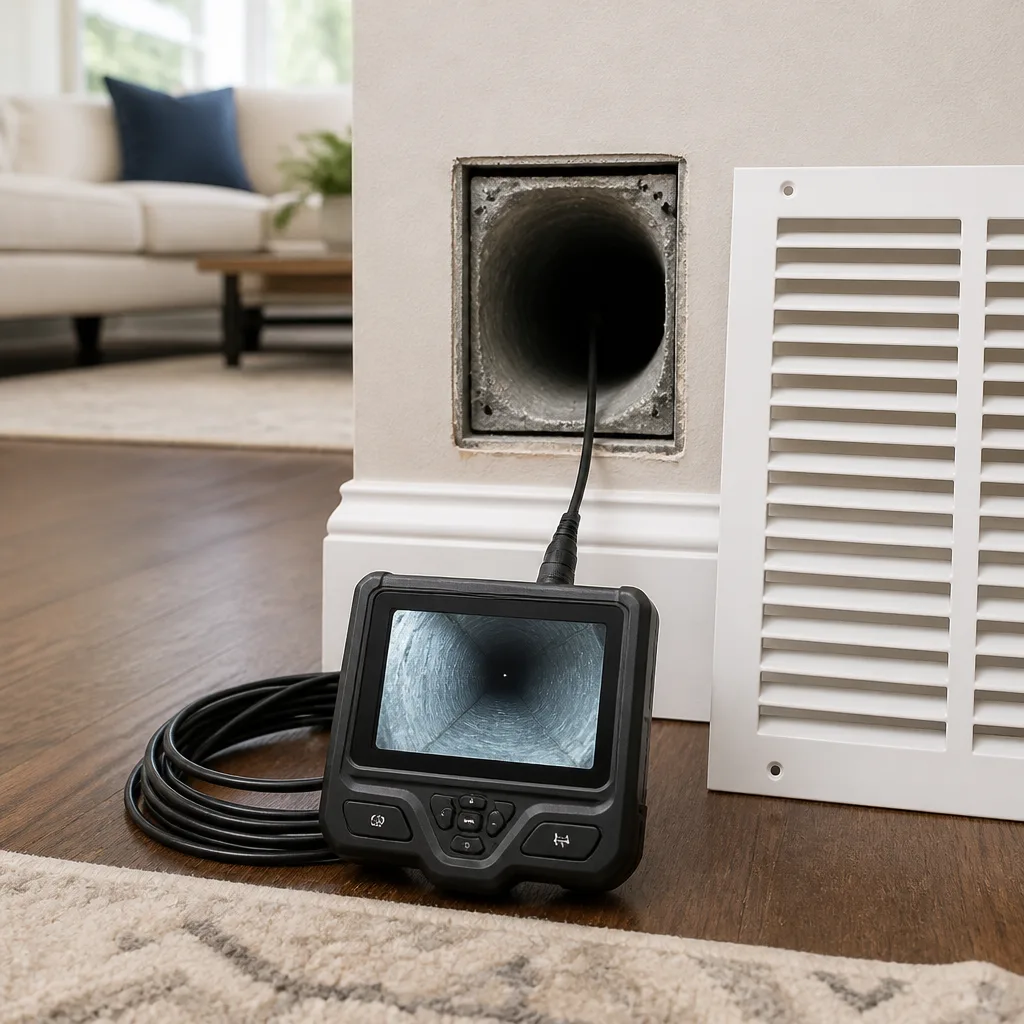 Camera inspection
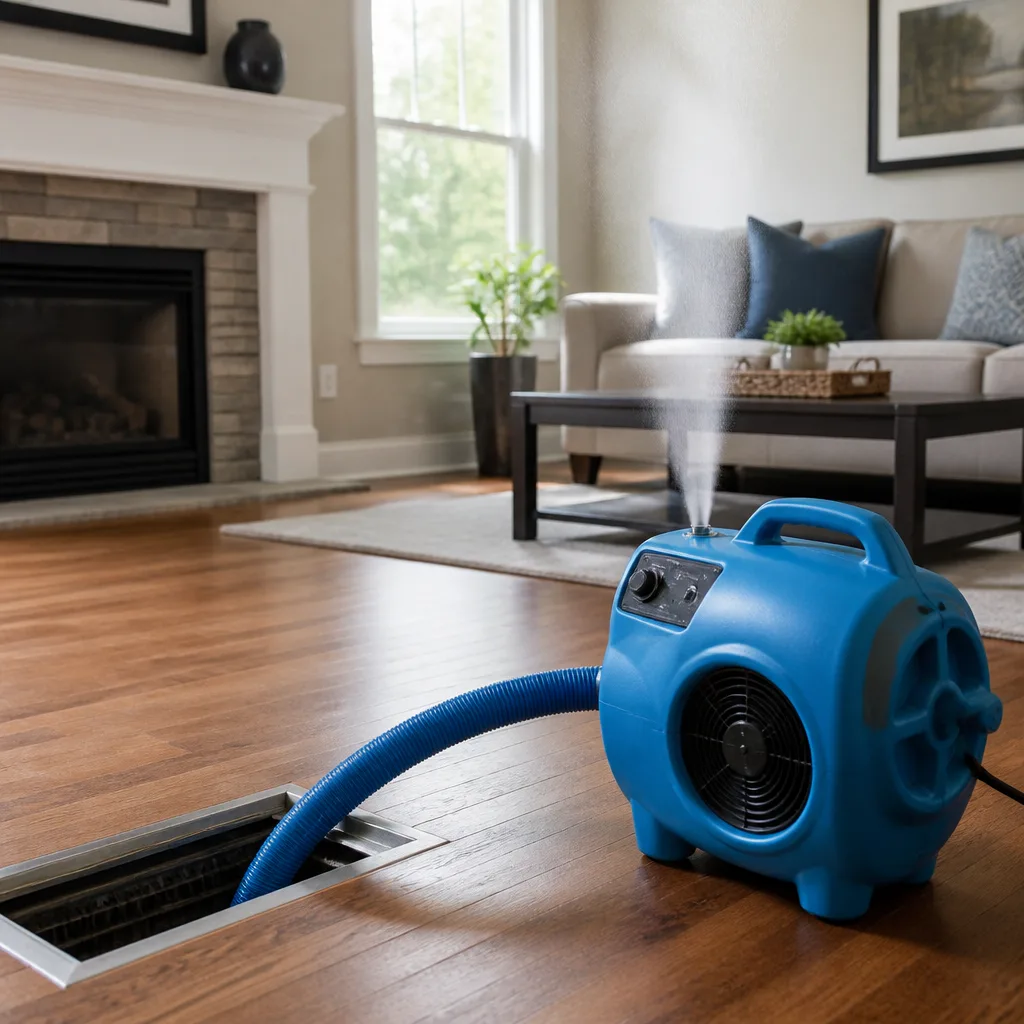 Sanitizing & deodorizing
Whole-system duct and dryer vent check with before-and-after photos - you see exactly what came out of your vents
That "$99 whole-house special" is a bait ad - the real number appears once they are in your hallway, or the "clean" is a shop-vac at the register. We photograph the inside of your ducts before and after instead.
Seasonal Air Duct Cleaning Care for Pleasant Grove: Year-Round Homeowner’s Guide
The worst time to discover your duct system has a moisture problem is mid-July, when the AC is running fourteen hours a day. But the conditions that cause it were set up back in April, when the system sat idle through mild spring weather and nothing was checking whether condensation had anywhere to go. That’s the thing most homeowners miss: air duct care in Pleasant Grove isn’t a single annual chore on a calendar reminder. It’s four different jobs wearing the same name, because what your system is fighting changes with the season. This guide walks through each season in Pleasant Grove, what’s actually happening inside your ductwork, and which tasks you can handle yourself versus which ones warrant a professional visit.
Quick Answer
Air duct care in Pleasant Grove runs on a four-season cycle, not one annual cleaning. Spring and fall are the transition periods when microbial growth and settled debris pose the biggest risk, so that’s when an inspection and full-system cleaning deliver the most value. Summer and winter are high-runtime months when filter changes and airflow checks catch problems early. A well-scheduled year typically means one professional cleaning, two or three filter changes, and a short airflow inspection before each major season.
Styles & brands we work with
- Whole-home duct cleaning
- Dryer vent cleaning
- Camera inspection
- Sanitizing & deodorizing
Table of Contents
- Spring: The Transition Period That Sets the Tone
- Summer: High Runtime, High Buildup
- Fall: The Debris Profile After a Long Cooling Season
- Winter: Heating-Only Operation and Attic Leakage
- Your Pleasant Grove Seasonal Care Calendar
- What You Can Do Yourself vs. What Needs a Professional
- The Dryer Vent: A Year-Round Safety Item
- Common Mistakes to Avoid
Spring: The Transition Period That Sets the Tone
The switch from heating to cooling is the single highest-risk window in the Pleasant Grove duct calendar. When the furnace shuts down for the season, the air handler sits in a dark, unconditioned cabinet with residual moisture from the winter’s combustion and humidity. Add spring pollen blowing in through open windows and doors, and you’ve got the two ingredients microbial growth needs: moisture and food. That’s why a coil inspection before the first AC run matters more than any other single check you’ll do all year.
Here’s what a spring inspection should cover:
- The evaporator coil: A coil caked with winter dust and pollen reduces cooling efficiency and holds moisture against the fins. Look for visible buildup or standing water in the drain pan.
- The condensate drain line: If it’s clogged from winter debris, spring cooling will back water into the cabinet instead of draining it out.
- The blower compartment: Dust that settled during the heating season gets pulled straight into the airstream the first time the fan runs in cooling mode.
- Return-air grilles and filters: Pollen season in Pleasant Grove means filters load faster in March and April than any other month. Check them.
What you can do yourself: replace the filter, vacuum the return grilles, and check that the condensate pan is dry before the first AC run. What you shouldn’t do yourself: pull the air handler apart to inspect the coil. That’s a job for a technician with the right tools and the training to handle electrical components safely. If a professional coil inspection turns up a microbial problem, that’s the point where a full-system cleaning and sanitizing session makes sense – not mid-summer when the problem has been running for three months. Our own technicians have up to 8 years of experience at exactly this kind of pre-season inspection.
Summer: High Runtime, High Buildup
Summer in Pleasant Grove is where air duct systems earn their keep. When the AC runs fourteen, sixteen, eighteen hours a day, every cubic foot of air that passes through your ductwork deposits a thin film of particulate on the interior walls. Multiply that by a full cooling season and you get measurable buildup, especially in flexible duct runs and in the supply plenum where the velocity is highest.
Humidity matters here. Every time the AC cycles on, the evaporator coil pulls moisture out of the air. If the coil and drain pan are working right, that moisture leaves the system. If condensation forms on cool duct surfaces in an unconditioned space – an attic, a garage, a crawl space – the moisture stays. That’s the setup that makes summer cleaning worthwhile even when your ducts looked fine in April.
A mid-season airflow check catches the early signs. What to look for:
- Reduced airflow at some registers but not others. A single weak vent usually points to a kink, a loose joint, or a debris blockage in that branch run.
- A musty or damp smell when the AC kicks on. That’s often the air handler or the coil, not the ducts themselves – worth a look.
- Visible dust plumes from supply registers. Dust that shoots out when the system starts means contamination in the run behind that register.
- Rising electricity costs without a rate change. A dirty coil or restricted airflow makes the compressor work harder for the same cooling.
If two or more of those show up at once, it’s worth scheduling a systems check before the cooling season ends. Most Pleasant Grove homes don’t need a full cleaning in July if they had a spring inspection in April – but they do need a filter change and a look at the return airflow. Test your filters monthly once the AC is running hard; you’ll be surprised how fast a standard filter clogs in June and July.
Fall: The Debris Profile After a Long Cooling Season
By the end of a Texas summer, your ductwork has collected a debris profile that’s very different from what it held in April. What actually accumulates during the cooling season:
- Settled dust and skin cells. The airstream carries more than you’d think; most of what the filter misses ends up on the duct walls.
- Dead insect matter. Insects find their way into return grilles, condensate lines, and any gap in the duct system during the summer, then die off as the system changes mode.
- Animal intrusion evidence. Attic ductwork is a common entry point for rodents and other animals in the fall. Droppings, nesting material, and chewed flex duct are real concerns – and part of why a fall inspection should look at the condition of the duct itself, not just its interior.
- Mold spores and organic debris. Where condensation ran along the duct, there may be spots that warrant sanitizing, not just vacuuming.
The timing question most homeowners ask is whether to clean before winter or after. In our experience, pre-winter wins almost every time. A clean system going into the heating season means you’re not pushing last summer’s accumulated debris through the house every time the furnace runs. Post-winter cleaning often means paying for an extra visit to fix a problem that could have been prevented.
Fall is also the season for a duct sealing check. That’s the point where Pleasant Grove Air Duct Cleaning can catch a compromised joint, a disconnected run, or a leaking plenum before the heating season pushes conditioned air into places it shouldn’t go.
Winter: Heating-Only Operation and Attic Leakage
Winter changes the physics of your duct system in a way that catches most homeowners off guard. During the heating season, the air inside your ducts is warmer than the air around it. In an attic or a crawl space, that temperature differential drives leakage from the duct to the outside space, and in a Texas winter that leakage costs more than you’d expect in a mild climate. It’s not that the winters are brutal here – it’s that the leak persists for weeks and weeks of continuous heating.
Two things happen when heated air leaks into an attic:
- You pay for heat that never reaches the living space. A loose joint on a trunk line can bleed conditioned air into the attic for the whole season.
- Negative pressure pulls attic air into the system. A leaking duct doesn’t just leak out; it pulls in. Insulation fibers, attic dust, and any debris sitting in the attic space can find its way into the return side.
On the filter side, heating-only operation loads the filter differently than cooling. Cooling seasons have some filter-cleaning effect from condensation and airflow patterns; heating season is dry and steady, so a filter that was clearing fine in October may load up twice as fast by January. Check filters monthly through the heating season, not quarterly.
Winter is a great time for an attic inspection of the duct system, especially in older Pleasant Grove homes where flex duct may have been run thirty years ago and never looked at since. A professional can check for disconnected runs, sagging flex duct, and joints that need sealing. If you find anything, our air duct cleaning team can address both the clean-side and the repair side in one visit, which matters because cleaning without sealing means the leak just fills the ducts back up with attic air.
Your Pleasant Grove Seasonal Care Calendar
Here’s the whole year mapped out. Use this as your reference for what to do and when, and note whether the task is a homeowner item or a professional visit.
- March – April (early spring):
- Homeowner: Replace filter, inspect and clean return grilles, check condensate pan for moisture.
- Professional: Pre-cooling-season inspection of the air handler and evaporator coil. Consider a full-system cleaning if it’s been more than a year or if you’ve had any moisture issue.
- May – September (cooling season):
- Homeowner: Monthly filter changes, monthly visual check of supply registers for dust plumes or weak airflow.
- Professional: Mid-season airflow check only if something’s off – weak supply, strange odors, rising energy costs. Otherwise, hold for fall.
- October – November (fall):
- Homeowner: Replace filter, clear any visible debris from return grilles, check exterior vents for nests or intrusion.
- Professional: Full-system cleaning before the heating season. Duct sealing inspection. This is the highest-value professional visit of the year.
- December – February (heating season):
- Homeowner: Monthly filter changes (twice as often as your cooling-season habit). Watch for musty smell or sudden dust at registers.
- Professional: Attic duct inspection if the home is older or has never been checked. Dryer vent clearing if it’s been more than a year.
This calendar assumes a typical Pleasant Grove home with a standard forced-air system. Homes with pets, heavy pollen exposure, recent renovations, or occupants with allergies usually need the professional visits more often – sometimes twice a year instead of once.
What You Can Do Yourself vs. What Needs a Professional
The line between DIY and professional work on your duct system is clearer than most homeowners realize. The DIY items are all about inspection and light cleaning on the accessible side. The professional items involve working inside the air handler or inside the duct runs, both of which need specialized equipment and, in many cases, access that isn’t safe for a homeowner.
DIY-appropriate tasks
- Changing air filters (this is the single most valuable thing you can do and it takes five minutes).
- Vacuuming return-air grilles and registers with a shop vac and brush attachment.
- Wiping down the outside of the air handler cabinet.
- Checking that all supply registers are open and unobstructed by furniture.
- Clearing lint from the exterior dryer vent flap (only the flap, not the run).
- Inspecting exterior duct terminations for obvious gaps, nests, or debris.
Professional tasks
- Cleaning the interior of the supply and return duct runs.
- Inspecting and cleaning the evaporator coil and blower compartment.
- Sanitizing after any microbial growth is found.
- Sealing leaky joints, disconnected runs, or sagging flex duct.
- Clearing a dryer vent run beyond the exterior flap.
- Any work in the attic, especially anything involving the electrical components of the air handler.
One rule of thumb: anything inside the air handler cabinet, inside the sealed duct system, or in the attic is a professional job. Electrical components in the air handler carry real risk, so a trained technician is the right call every time. The equipment matters too – the professional platforms like Rotobrush rotary brush systems and Nikro HVAC cleaning units are designed for exactly this work, and a shop vac and a hose won’t get the same result.
The Dryer Vent: A Year-Round Safety Item
Ductwork isn’t the only circulation system in your home that needs seasonal attention. The dryer vent runs year-round and, unlike your HVAC ducts, its failure mode is a fire risk rather than an air quality problem. Lint accumulation in the vent run reduces dryer efficiency first, then blocks heat from escaping, which is where the fire risk comes from. The U.S. Fire Administration has long identified dryer vents as a leading cause of residential house fires, and it’s one of the most preventable safety issues in any home.
What to check between professional cleanings:
- The exterior vent flap should open freely when the dryer runs and close when it stops. Lint hanging from the flap means it’s building up inside too.
- Drying times shouldn’t be climbing. If a load that used to take 45 minutes now takes 70, the vent is likely restricted.
- The laundry area shouldn’t feel noticeably humid after a load. Moisture means the vent isn’t exhausting properly.
- The lint trap should be cleared before every load – that’s the obvious one, but it’s also the one most people skip.
For the run itself, an annual professional clearing is the right cadence for most homes. Homes with heavy laundry volume, long vent runs, or a history of lint issues may need it more often. Our dryer vent cleaning service handles the full run, from the dryer connection through to the exterior termination – not just the lint trap. If it’s been more than a year since the vent was cleared, it’s worth a look.
Common Mistakes to Avoid
- Waiting for symptoms before scheduling anything. Most duct problems don’t announce themselves until the cooling season is already underway. Pre-season visits catch them cheaply. Post-season visits cost more because you’re fixing something that’s been running for months.
- Skipping the filter check in the transition months. The filter that was fine in mid-summer may already be loaded by the time you switch to heating mode in Pleasant Grove. Spring and fall are the months when filters get ignored the most.
- Cleaning without sealing. Cleaning alone doesn’t fix a leaking duct joint. If you don’t seal after cleaning, the same attic air leaks back into the system within a season. Sealing is part of the job, not an add-on.
- Ignoring the dryer vent for years at a time. The dryer vent isn’t part of the HVAC system but it needs its own annual attention. Treat it as its own item on the calendar, not something to get to eventually.
- Using a shop vac to “clean the ducts” yourself. A shop vac disturbs debris into the airstream more than it removes. Real cleaning uses negative-air containment – HVAC cleaning equipment like Abatement Technologies negative-air machines are the standard for a reason.
- Hiring on coupon price alone. The bait-and-switch structure of discount duct cleaning means the initial number doesn’t hold once a technician arrives. A flat price per system agreed before work starts is what actually protects you.
- Forgetting the return side. Most homeowner cleaning happens at supply registers. The return side is where the debris actually enters the system – if you’re only touching the supplies, you’re missing the entry point.
See the difference
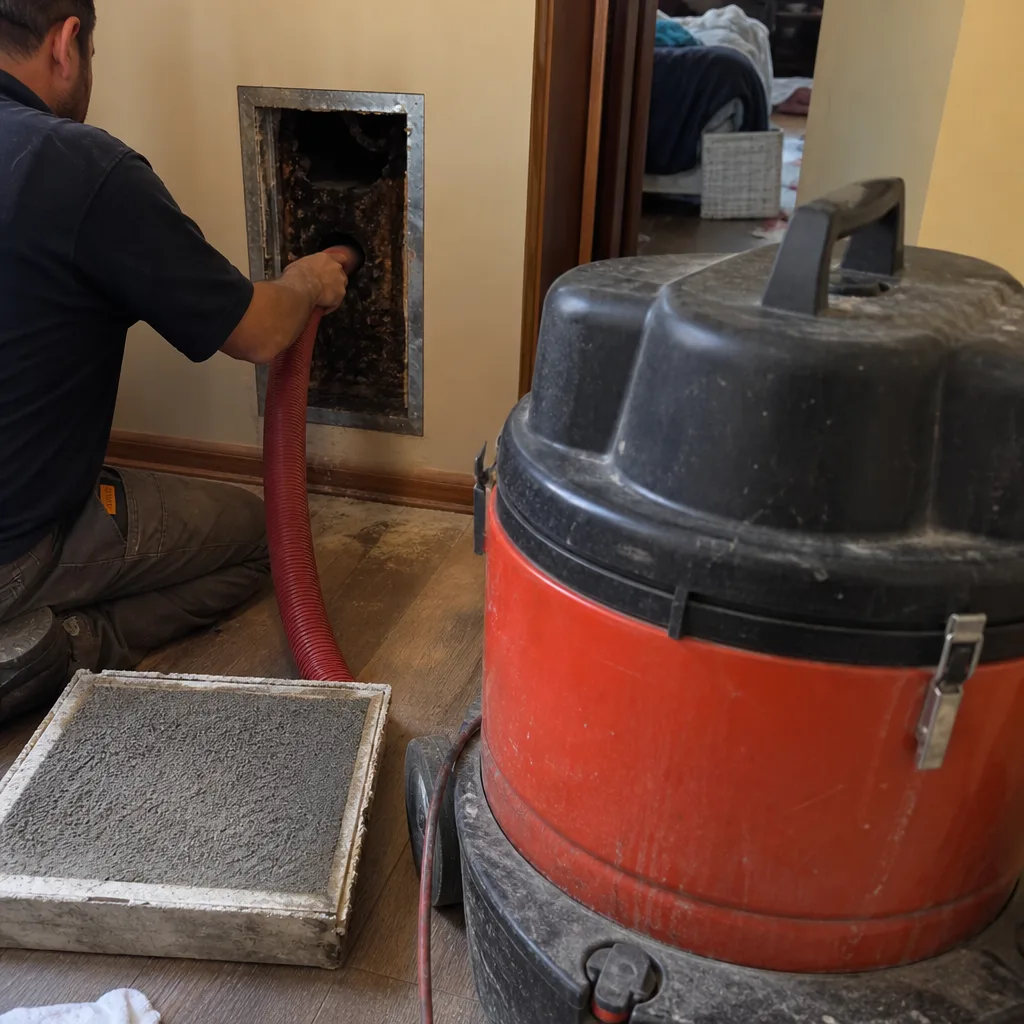 Before
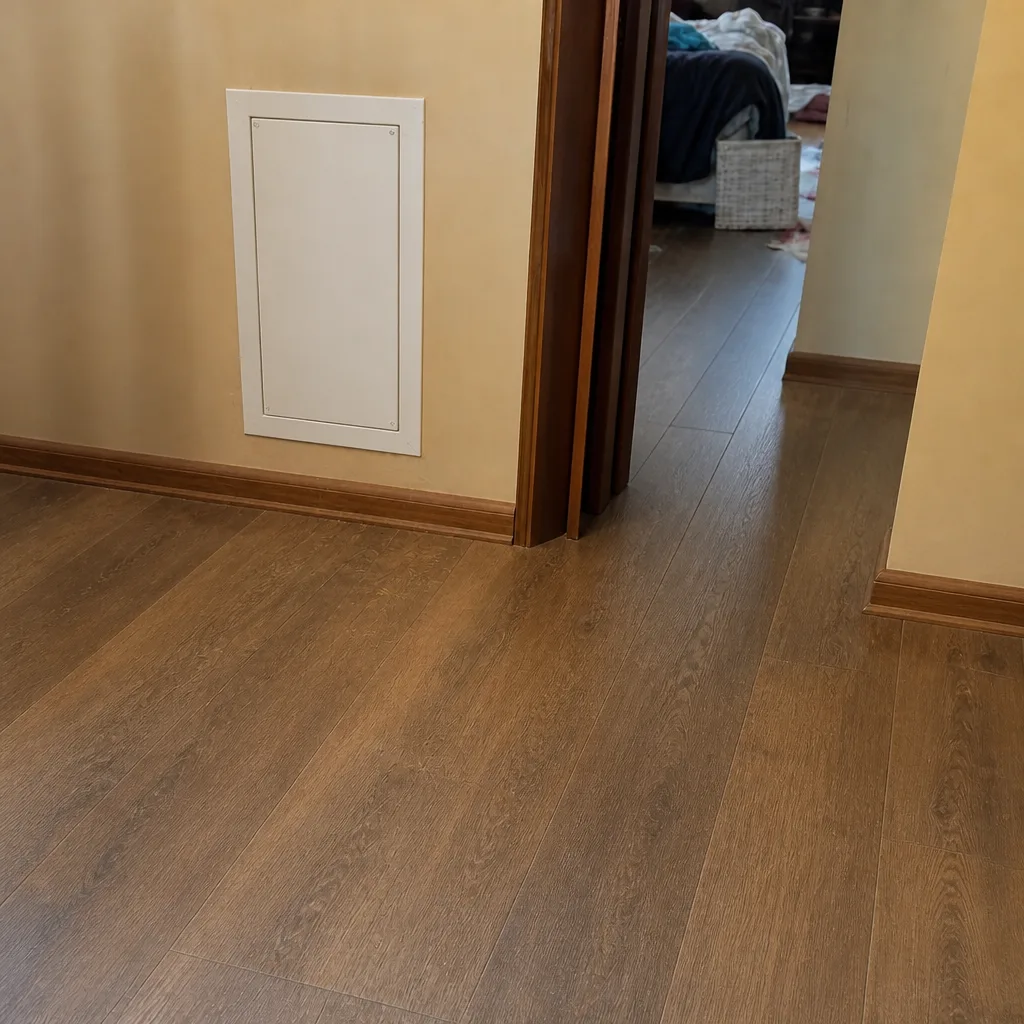 After
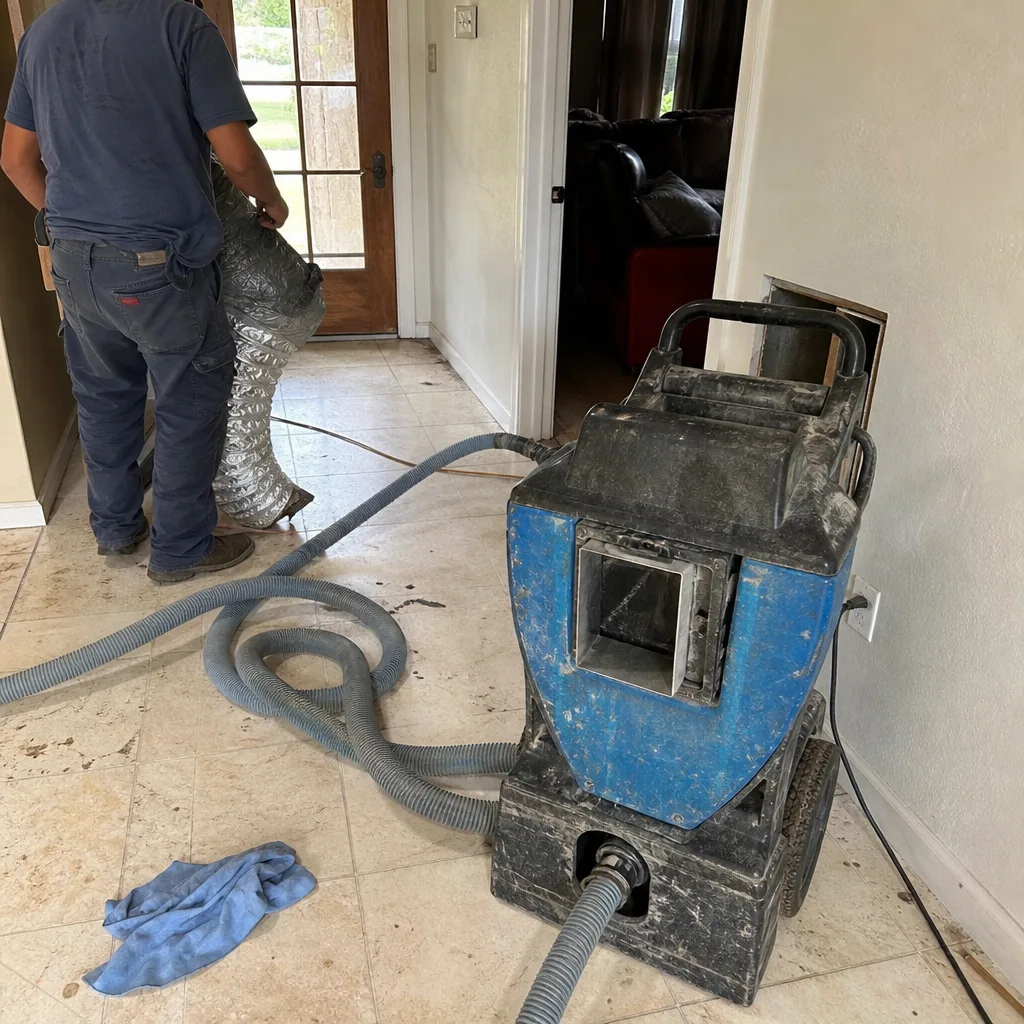 Before
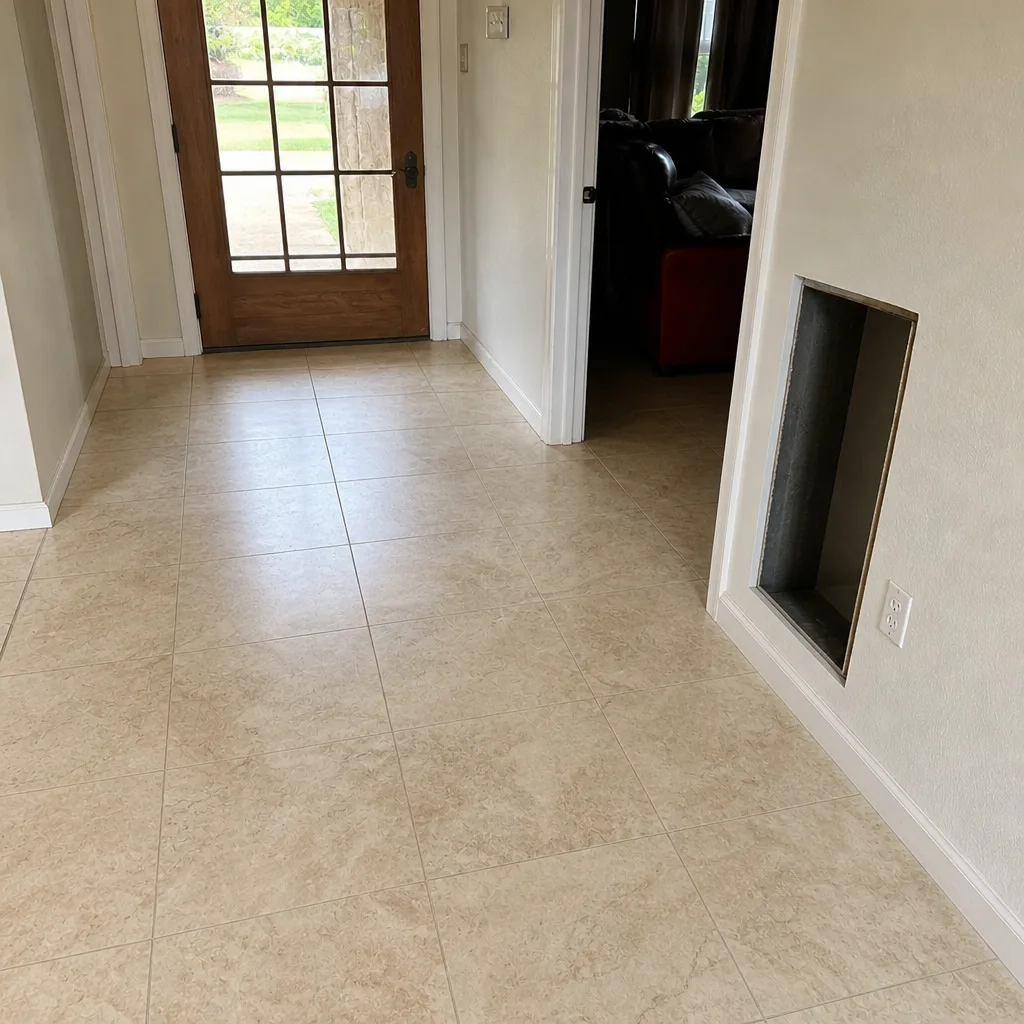 After
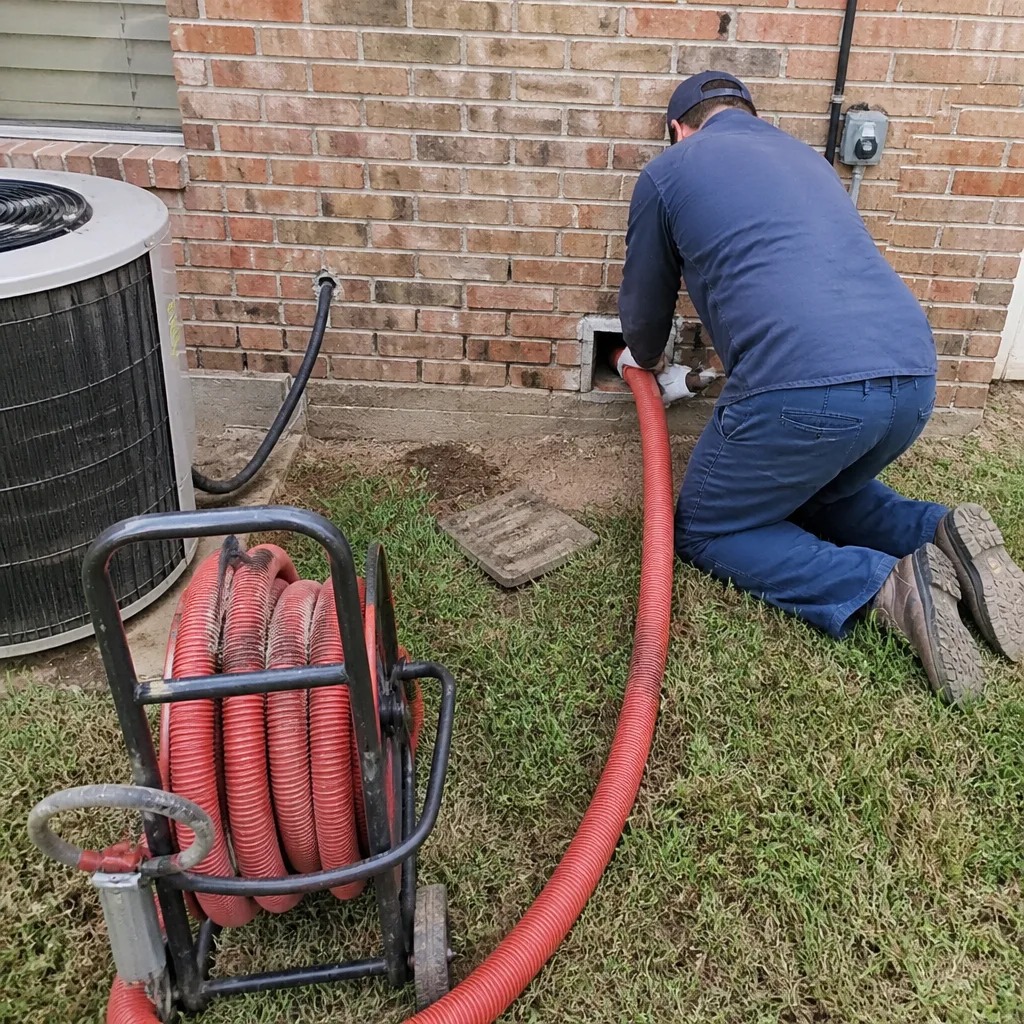 Before
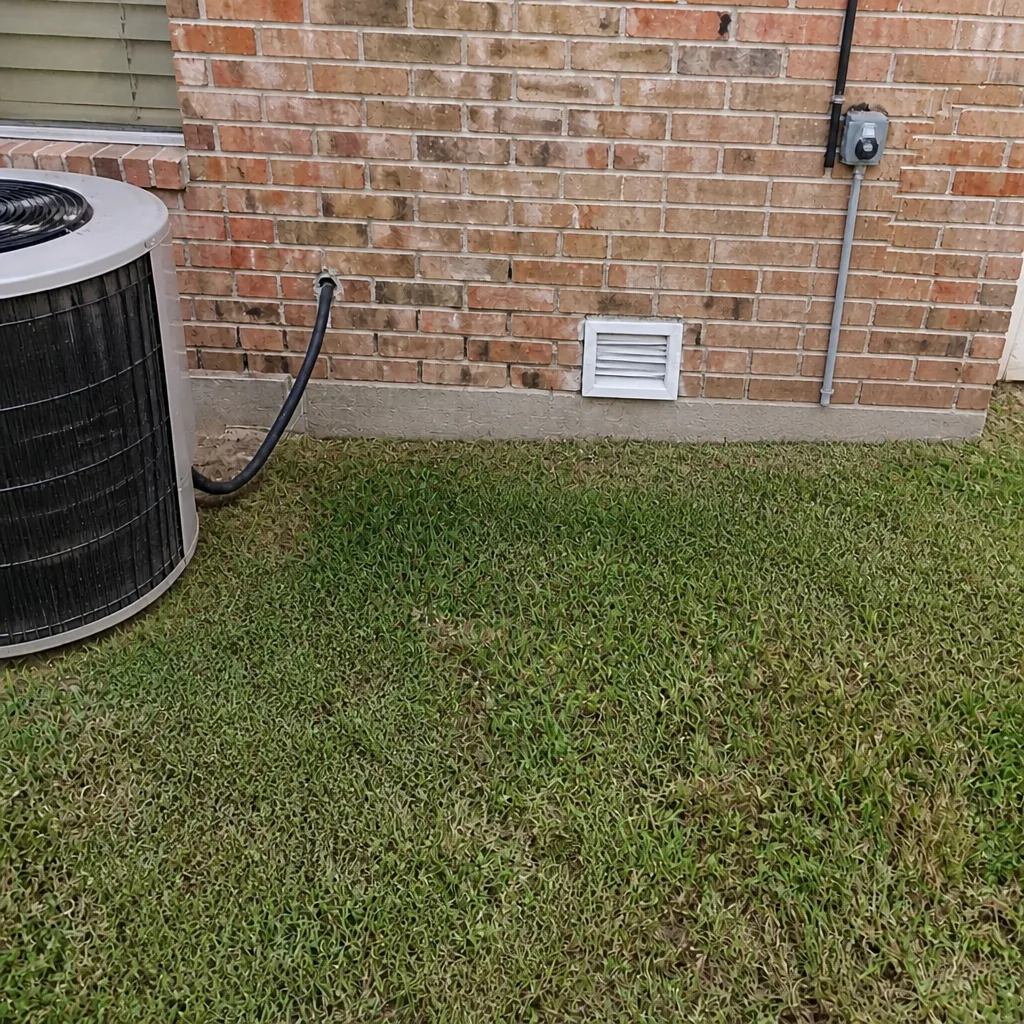 After
When to Call a Professional
The seasonal calendar covers the routine visits. But there are specific situations where scheduling a professional sooner rather than later saves real money. Call us if you see any of the following: visible dust plumes from supply registers when the system starts; a persistent musty or damp smell inside the home that gets stronger when the AC or furnace runs; a single supply register with noticeably weaker airflow than the rest; evidence of animal activity around exterior vents or in the attic; rising energy bills with no rate change; a dryer taking much longer than it used to; or a home purchase where you have no record of when the ducts were last cleaned.
Pleasant Grove Air Duct Cleaning offers free estimates in Pleasant Grove – call (855) 658-5117. We show you what we find before we start, use contractor-grade equipment on every job, and give you one flat price per system agreed before work begins. Our technicians have up to 8 years of experience, and our five service categories (air duct cleaning, dryer vent cleaning, HVAC cleaning, air quality and sanitizing, and duct repair and sealing) mean one call covers the whole system.
Frequently Asked Questions
For most Pleasant Grove homes, once a year is the right cadence, timed for fall before the heating season. Homes with pets, allergy sufferers, recent renovations, or heavy pollen exposure benefit from a second visit in spring. The seasonal calendar matters more than the frequency, though: a fall cleaning is worth more than a random March cleaning for the same money, because it puts a clean system into the heating season instead of leaving summer’s debris in place.
Yes, in specific conditions. The problem isn’t the outside humidity itself – it’s condensation forming inside the system when cool surfaces meet warm, humid air. That happens most often on the evaporator coil, in the air handler cabinet, and along duct runs in unconditioned spaces. A spring coil inspection catches the moisture risk before it becomes a growth problem. If you smell a musty odor when the AC runs, that’s worth a look. Call (855) 658-5117 to schedule an inspection.
Before winter, almost always. Cleaning in the fall means the heating season runs with a clean system, and any debris from the cooling season is gone before it gets pushed through the house. Cleaning after winter means you’ve spent a heating season pushing accumulated debris around and then paying for a cleanup on the other side. Fall cleaning plus a duct sealing check is the highest-value professional visit of the year in Pleasant Grove.
Air duct cleaning focuses on the duct runs themselves – the supply and return branches, the trunk lines, and the grilles. HVAC cleaning is broader and includes the air handler components: the evaporator coil, the blower, the drain pan, and the interior of the unit. Most Pleasant Grove homes need both, and having one provider handle them in sequence means the system doesn’t get recontaminated between the two visits.
Discount quotes are typically built around a per-vent price that gets negotiated upward on-site once the technician arrives. A flat price per system agreed before work begins is the honest structure. Both the cleaning-equipment quality and the scope of work (does it include the air handler? the coil? sanitizing? sealing?) determine the real cost. Ask what’s included before you book anything. Call (855) 658-5117 for a free estimate – the price is set before work starts and doesn’t move.
Ask for before-and-after photos of your own ducts. A professional company can show you what the interior of your duct runs looked like before cleaning and what they look like after – specific to your home, not a stock photo. Ask about scope: was the air handler included, was the return side cleaned, was a sealing inspection performed? Those three questions separate a thorough cleaning from a surface pass.
Yes. Heating leaks at duct joints push conditioned air into attics and crawl spaces for the entire season, which is a steady loss even in a mild climate. Sealing also stops attic air from being pulled back into the system through the same leaks, which matters for indoor air quality year-round. Clean ducts are the start; sealed, sanitized ducts are the finish.
Yes, it’s a separate system, but it’s worth including on the same schedule. Dryer vent lint is a documented leading cause of house fires, and the vent needs annual clearing of the full run, not just the exterior flap. Most Pleasant Grove homes can have duct work and dryer vent work done in one visit.
The Bottom Line
Pleasant Grove’s climate doesn’t just tell you when to clean your ducts – it determines what you’re cleaning for each season. Spring is the microbial-growth window that a coil inspection catches. Summer is the high-runtime buildup period that a mid-season airflow check catches. Fall is the debris accumulation that a pre-winter cleaning clears. Winter is the leakage season that a duct sealing inspection addresses. One annual cleaning without the other three checks misses everything the seasons are actually asking for. Set your calendar to the seasonal rhythm, handle your filters and your grilles yourself, and let a professional handle the air handler, the duct interior, and the attic. Better air isn’t a feeling – it’s a result you can measure.
Ready to put the calendar on your own schedule? Call Pleasant Grove Air Duct Cleaning at (855) 658-5117 for a free estimate. We answer 24/7. Fast dispatch from 7am to 7pm, Sunday through Friday. One call covers your ducts, your dryer vent, your HVAC, and your air quality. Professional-grade equipment, residential pricing, and a flat per-system price that’s set before work starts and stays there.
Written by the team at Pleasant Grove Air Duct Cleaning.